
Are you considering a rhinoplasty or septoplasty procedure? Dr. Markarian believes informed patients are the best patients. Below are real patients of different ages, ethnicities, and genders, photographed immediately after their nose surgery — before the swelling has set in.

All photos and videos in this gallery are actual post-operative results of Dr. Markarian's work, photographed immediately after surgery — before the swelling has gone down — unaltered except for standard cropping. Click any result to read the full case, and click a photo to browse the full gallery full-screen.
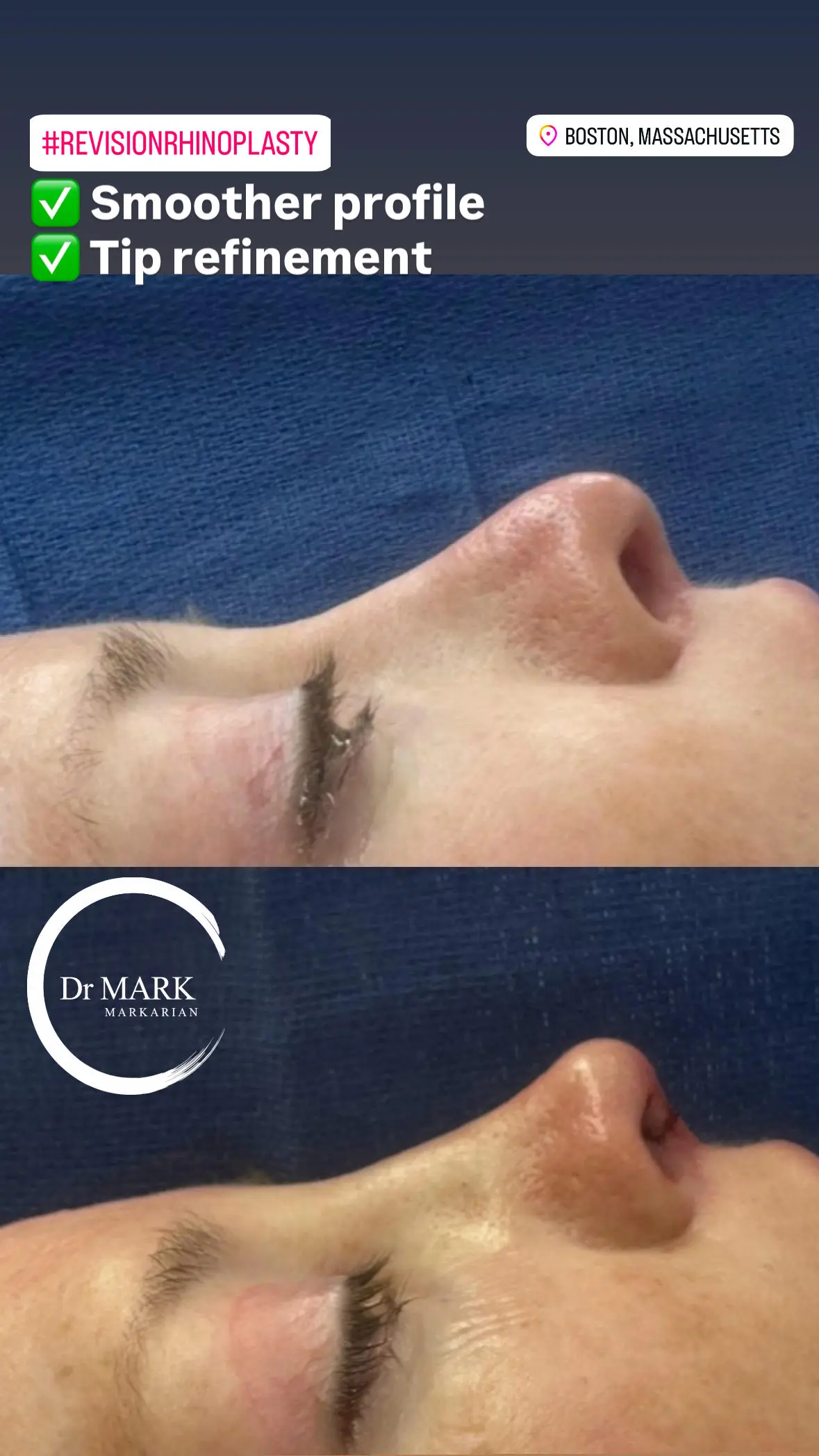
This revision rhinoplasty focused on refining the results of a previous nasal procedure while maintaining a natural appearance. The nasal profile was smoothed to create a cleaner, more balanced contour, while tip refinement improved definition, shape, and overall proportion.
The immediate post-operative result demonstrates a softer, more harmonious profile with improved nasal tip aesthetics and preserved facial balance.
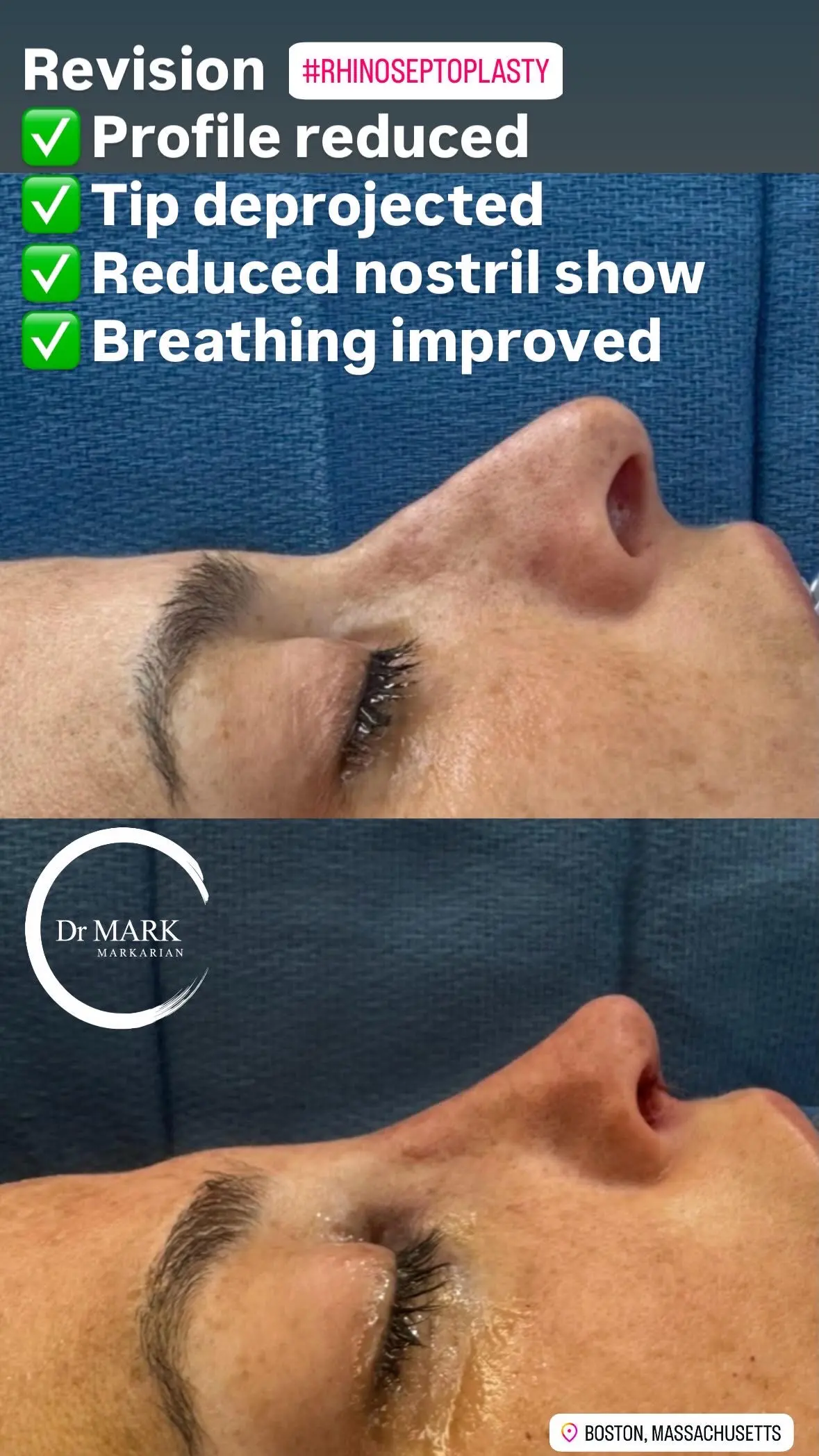
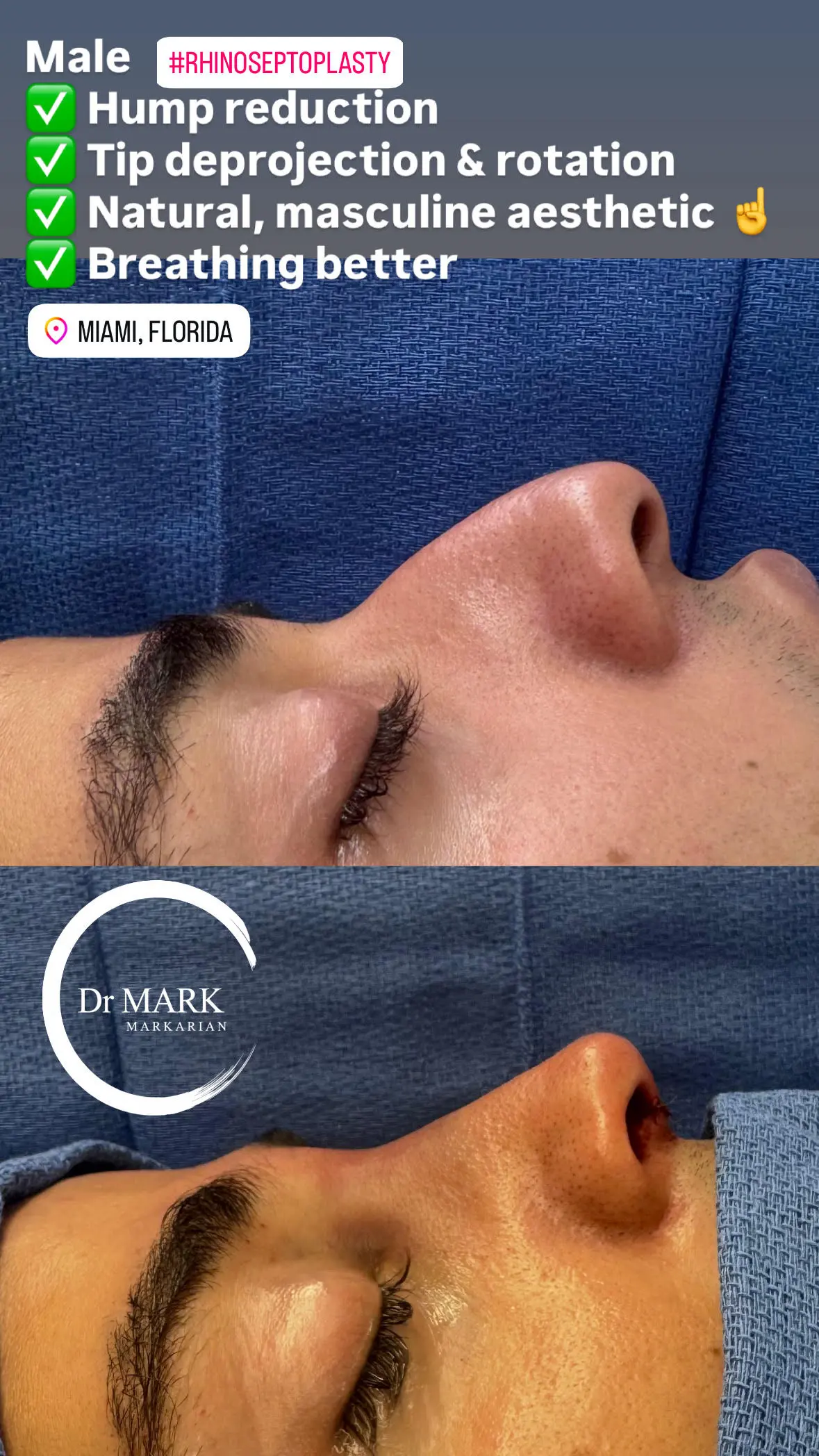
This revision rhinoseptoplasty focused on improving both nasal appearance and function following a previous procedure. Profile reduction created a smoother, more balanced contour, while tip deprojection reduced prominence and improved overall nasal proportion.
Nostril show was also reduced for a more harmonious appearance, and functional corrections were performed to improve airflow and breathing. The immediate post-operative result demonstrates a refined, natural-looking profile with improved structural balance and nasal function.
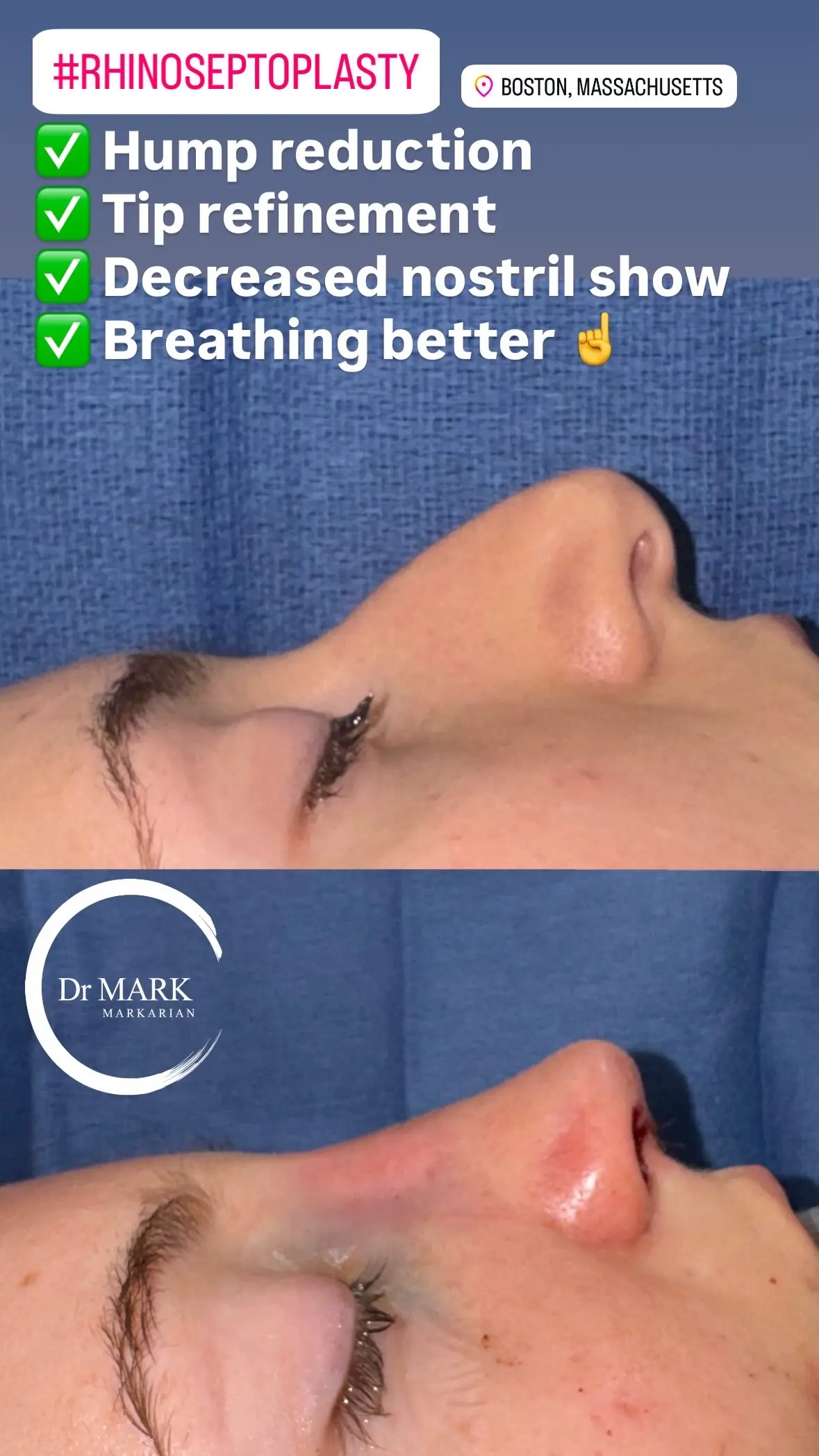
This rhinoseptoplasty procedure focused on improving both nasal appearance and breathing function. Hump reduction created a smoother, more balanced profile, while tip refinement enhanced definition and overall nasal proportion.
Nostril show was reduced to create a more harmonious appearance, and functional corrections were performed to improve airflow. The immediate post-operative result demonstrates a refined, natural-looking contour with improved breathing support.
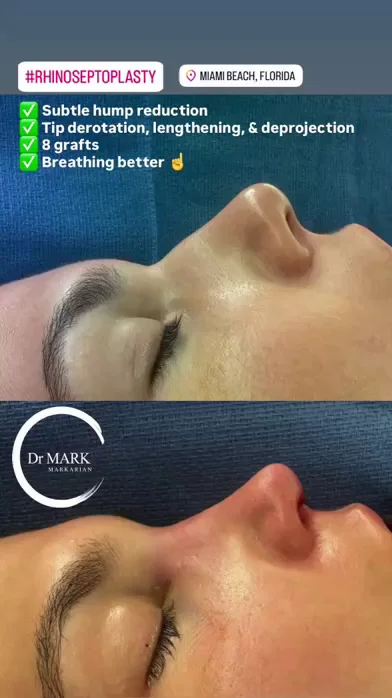
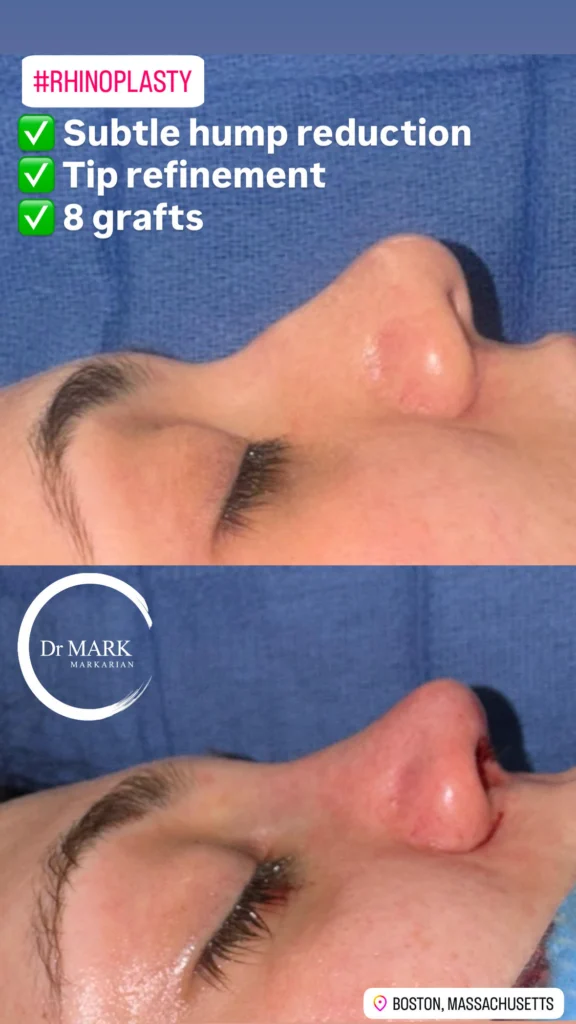
This rhinoseptoplasty procedure focused on subtle refinement while improving nasal function. A conservative hump reduction created a smoother profile, while tip derotation, lengthening, and deprojection improved tip position and overall nasal balance.
Eight structural grafts were used to reinforce the nasal framework, optimize contour, and provide long-term support. Functional corrections were also performed to improve airflow, resulting in a natural-looking profile with enhanced breathing support.
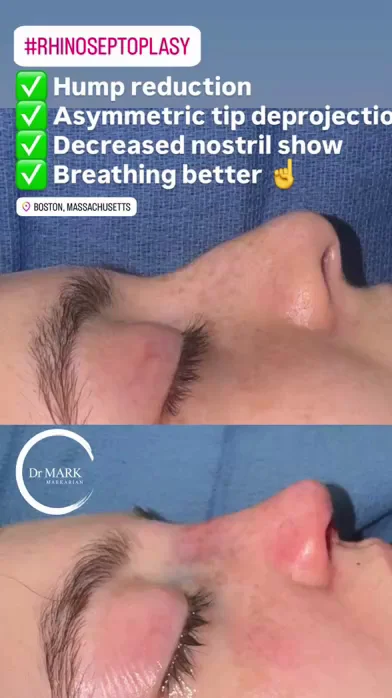
This rhinoseptoplasty procedure addressed both nasal appearance and breathing function. Hump reduction created a smoother, more balanced profile, while asymmetric tip deprojection refined the tip position and improved overall nasal symmetry.
Nostril show was reduced for a more harmonious appearance, and functional corrections were performed to improve airflow. The immediate post-operative result demonstrates a natural-looking contour with improved balance and breathing support.
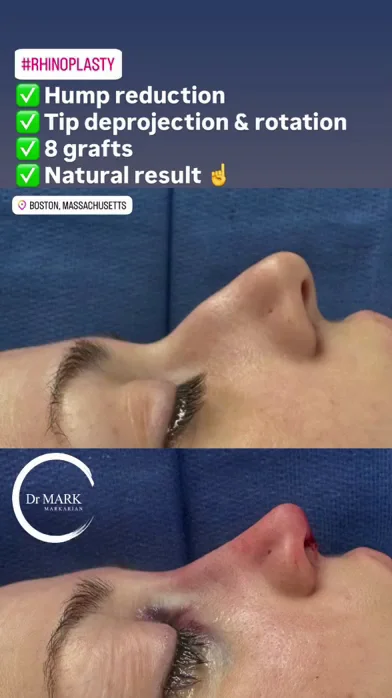
This rhinoplasty procedure focused on achieving a refined, natural-looking nasal profile. Hump reduction created a smoother bridge, while tip deprojection and rotation improved tip position, definition, and overall facial balance.
Eight structural grafts were used to reinforce the nasal framework, optimize contour, and provide long-term support. The immediate post-operative result demonstrates a softer, more proportionate profile while preserving the patient's natural features.
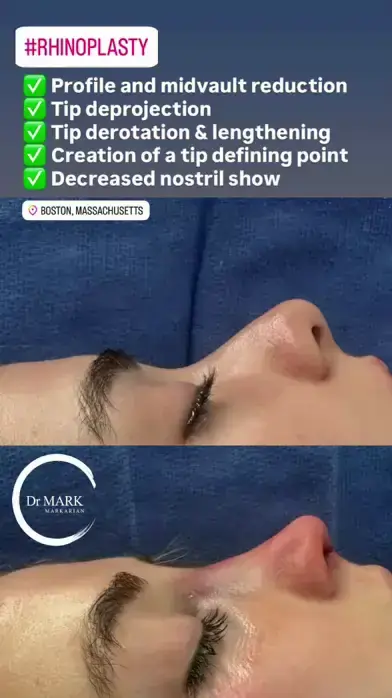
This rhinoplasty procedure focused on comprehensive profile refinement while maintaining a natural appearance. Profile and midvault reduction created a smoother, more balanced nasal contour, while tip deprojection, derotation, and lengthening improved tip position and overall facial harmony.
A well-defined nasal tip was created, and nostril show was reduced for a more refined aesthetic. The immediate post-operative result demonstrates enhanced nasal balance with preserved structural support and a natural, elegant profile.
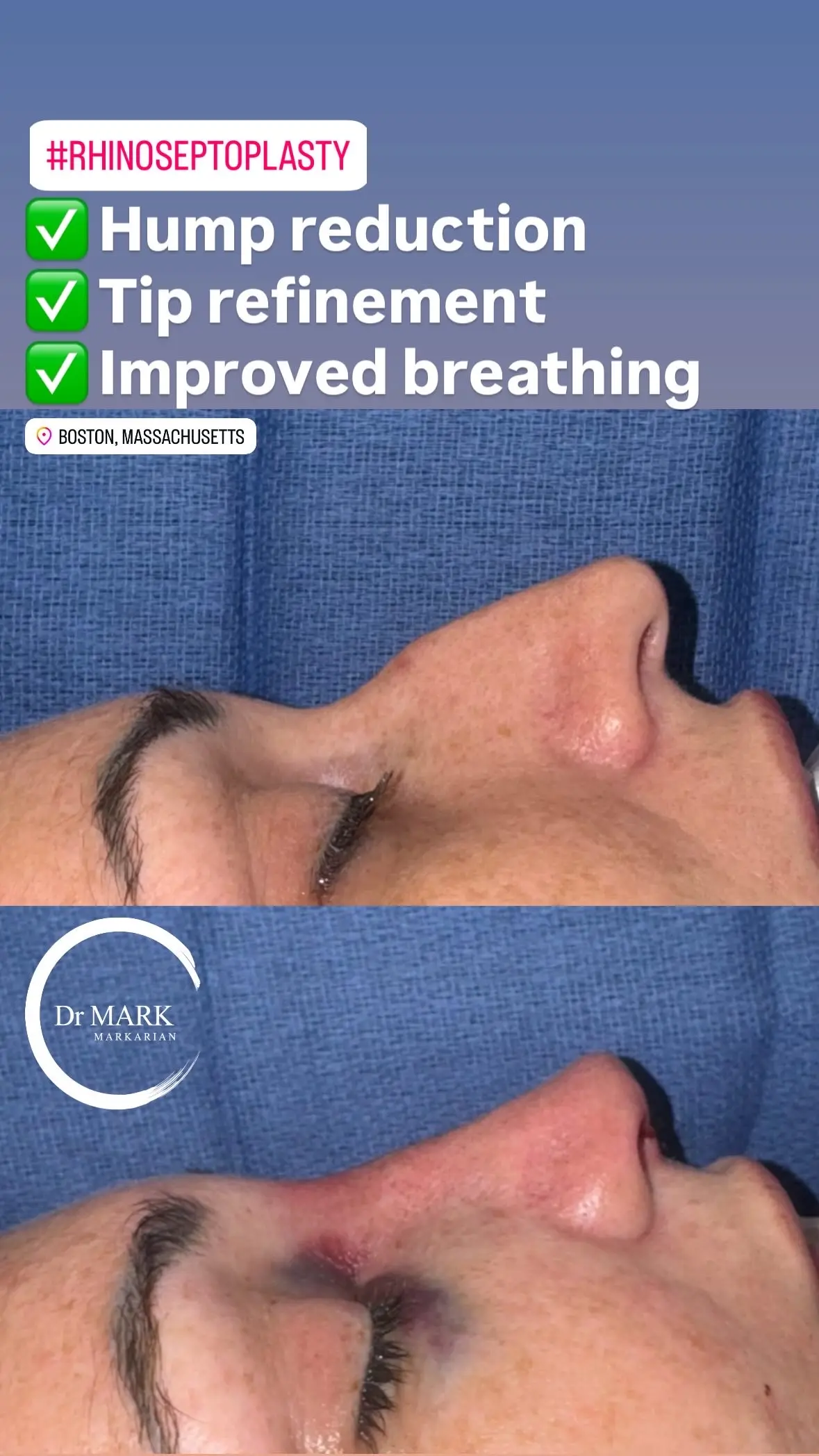
This rhinoseptoplasty procedure addressed both cosmetic refinement and functional nasal improvement. Hump reduction created a smoother, more balanced nasal profile, while tip refinement enhanced definition and proportion while maintaining a natural appearance.
Functional corrections were also performed to improve nasal airflow and breathing. The immediate post-operative result demonstrates improved facial harmony with a refined contour, enhanced structural support, and better nasal function.
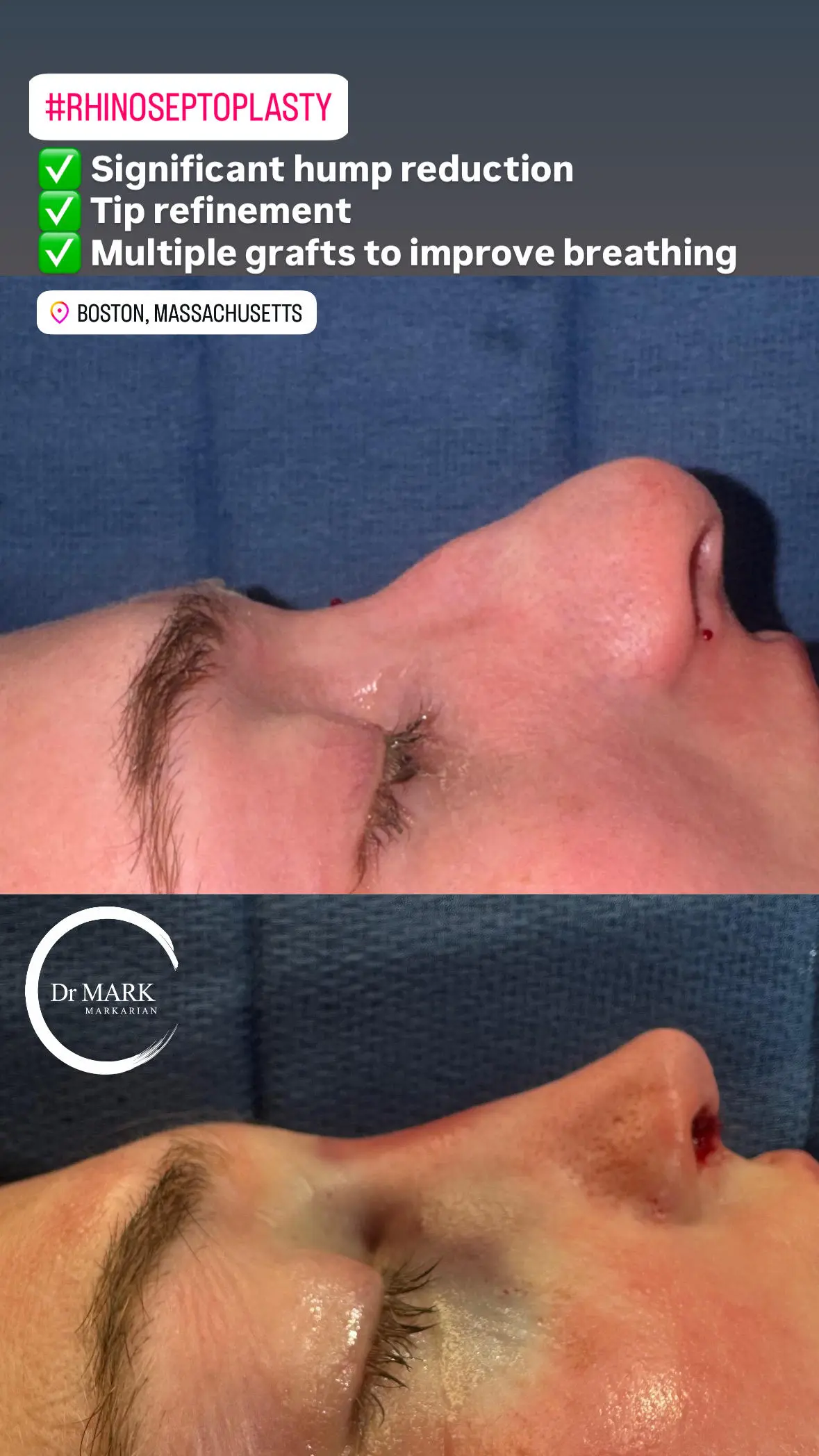
This rhinoseptoplasty procedure addressed both cosmetic refinement and functional nasal improvement. Significant hump reduction created a smoother, more balanced nasal profile, while tip refinement enhanced definition and proportion without compromising a natural appearance.
Multiple structural grafts were utilized to reinforce the nasal framework, improve airway support, and optimize breathing. The immediate post-operative result demonstrates enhanced facial harmony with a refined contour, improved structural stability, and better nasal function.
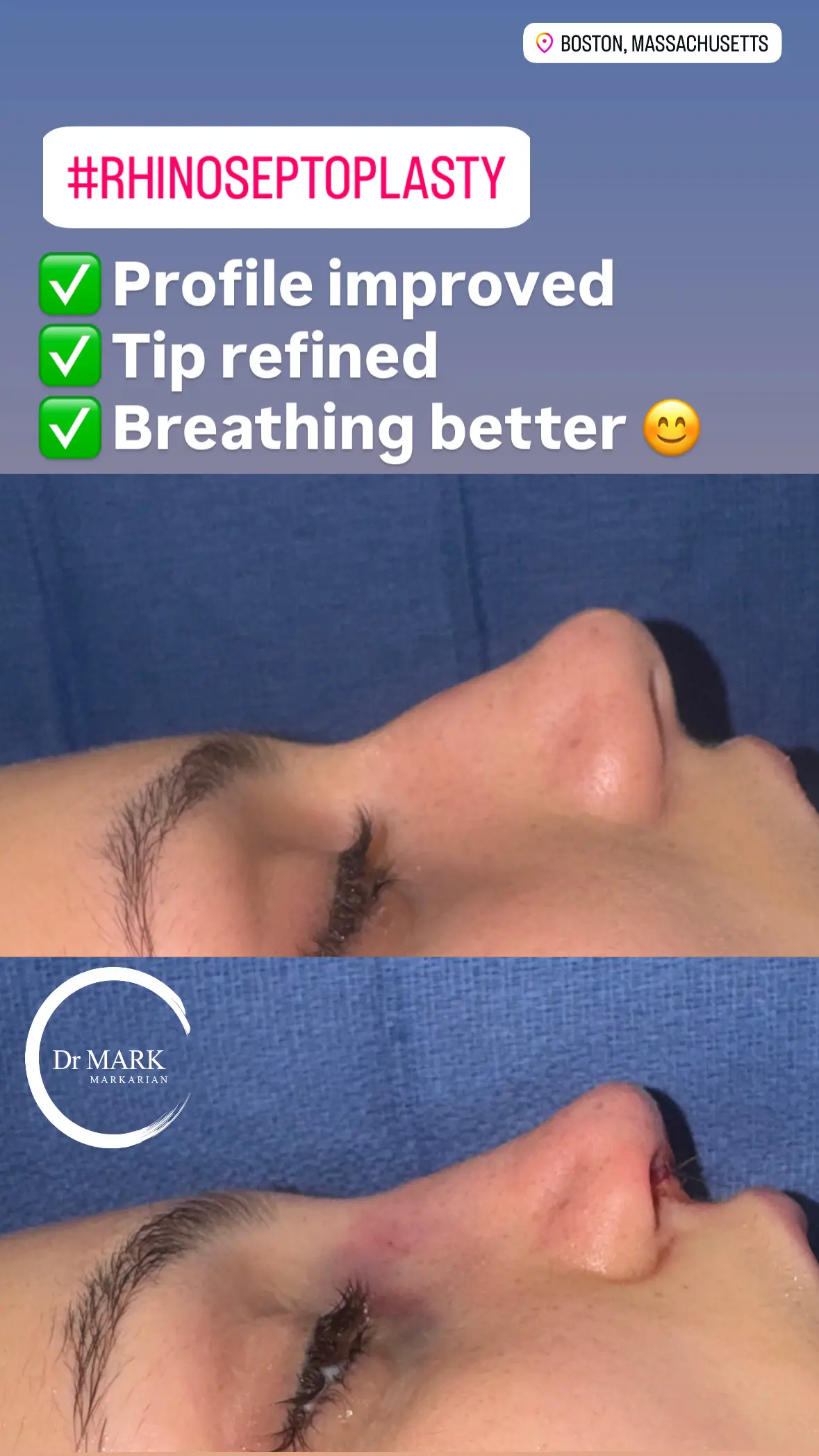
This rhinoseptoplasty procedure was designed to enhance both nasal appearance and function. Profile refinement created a smoother, more balanced nasal contour, while tip refinement improved definition and proportion without sacrificing a natural look.
Functional corrections were also performed to optimize the nasal airway, helping the patient breathe more comfortably. The immediate post-operative result demonstrates improved facial harmony with a refined profile and enhanced structural support.
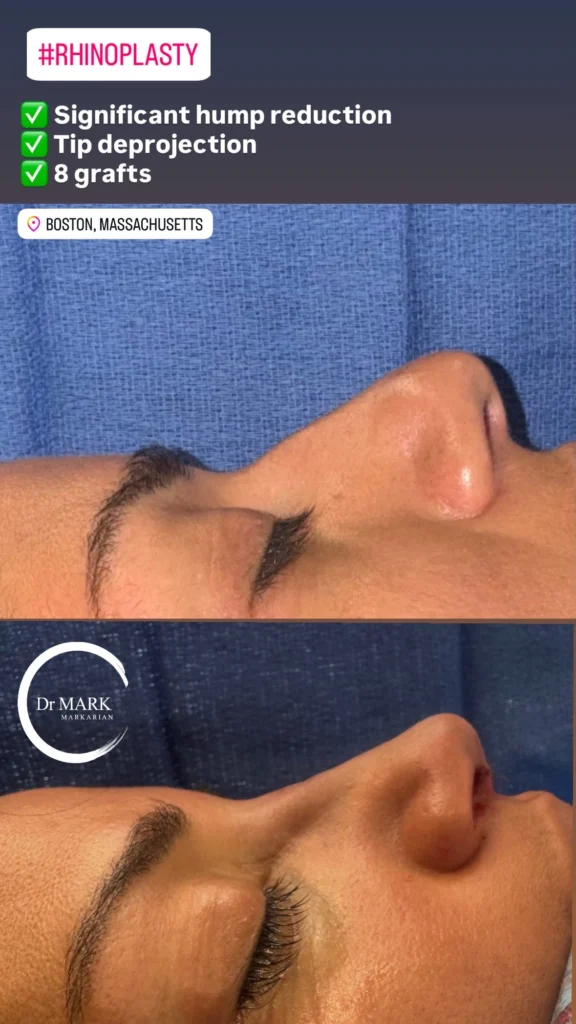
This rhinoplasty procedure focused on creating a smoother, more refined nasal profile while maintaining natural facial balance. Significant hump reduction was performed to straighten the nasal bridge, and tip deprojection reduced tip prominence for a softer, more proportional appearance.
Multiple structural grafts were utilized to reinforce the nasal framework, optimize contour, and provide long-term support. The immediate post-operative result demonstrates a balanced profile with enhanced definition and preserved structural stability.
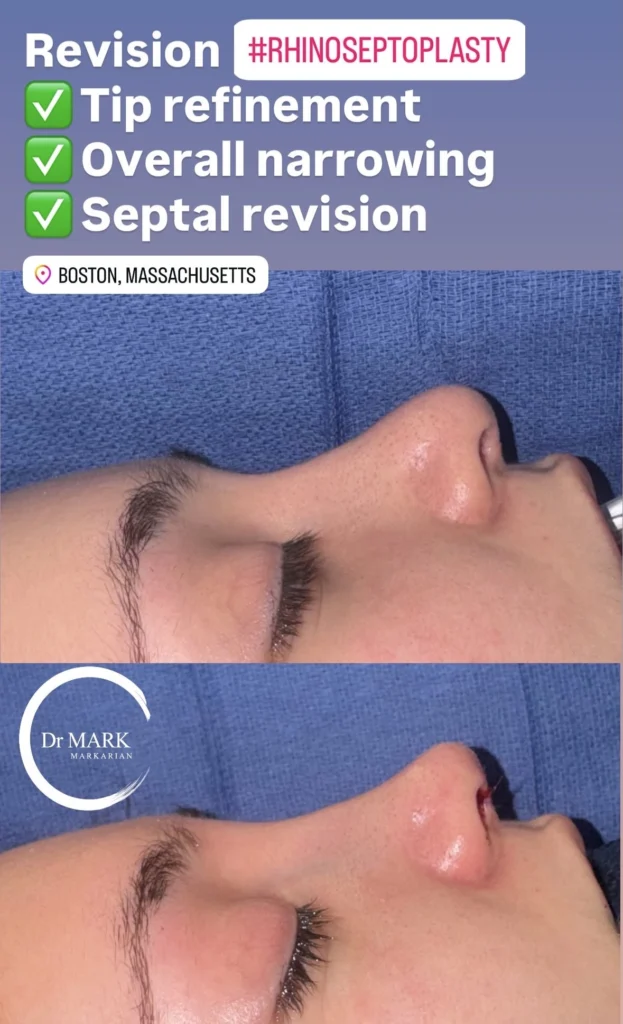
This revision rhinoseptoplasty focused on enhancing nasal definition, improving symmetry, and restoring function following a previous procedure.
Tip refinement was performed to create a more refined and balanced appearance, while overall narrowing improved nasal contour and facial harmony.
A septal revision was also completed to address structural concerns and optimize airway support. The immediate post-operative result demonstrates a smoother, more streamlined nasal profile with improved structural stability and functional outcomes.
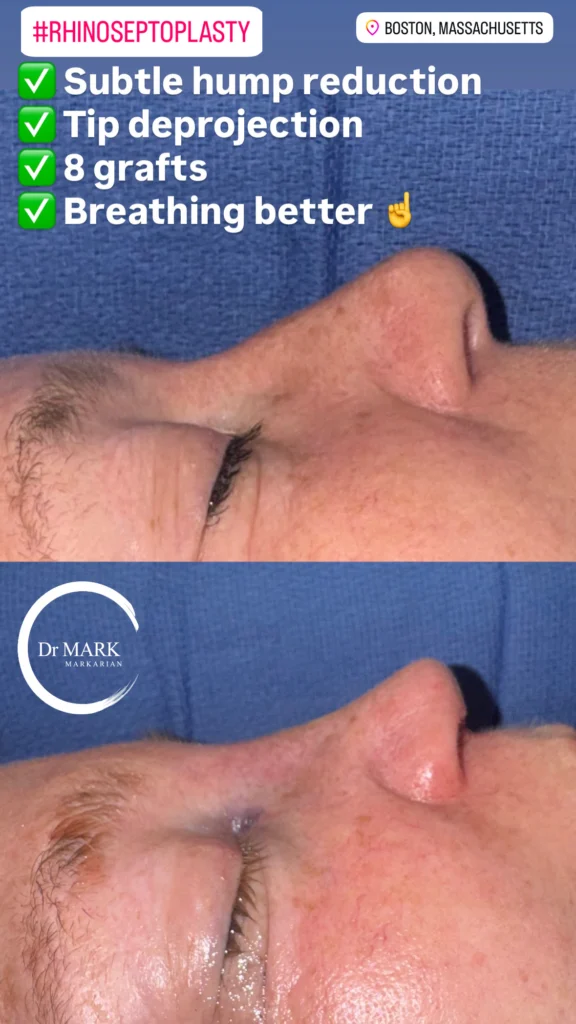
This rhinoseptoplasty procedure focused on subtle nasal refinement while improving airway function. A conservative hump reduction smoothed the nasal bridge, and tip deprojection reduced tip prominence to create a more balanced profile.
Multiple structural grafts were utilized to support the nasal framework, maintain long-term stability, and optimize both appearance and function.
Functional corrections were also performed to improve nasal airflow, resulting in a refined, natural-looking outcome with enhanced breathing support.
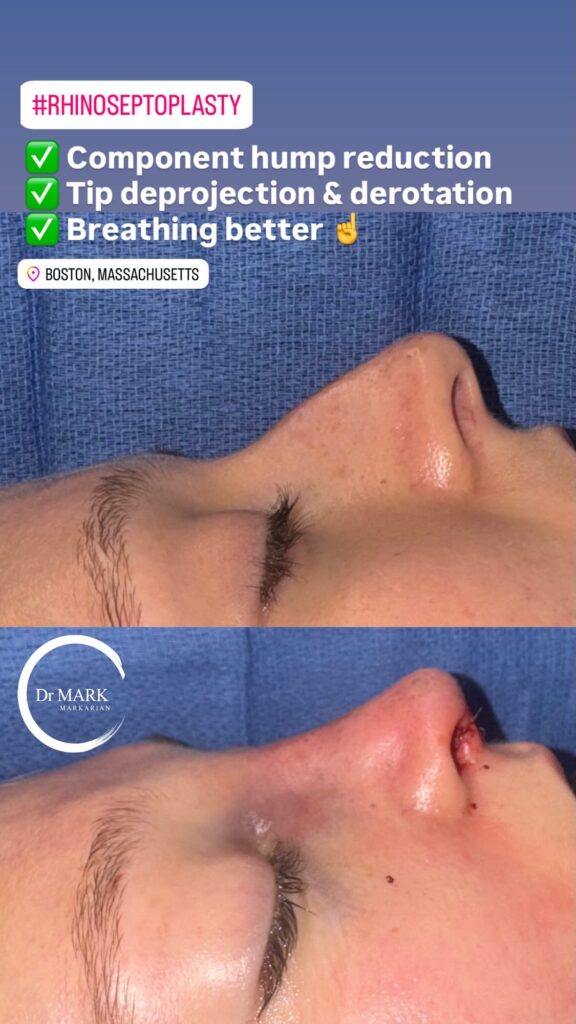
This rhino-septoplasty procedure addressed both cosmetic concerns and nasal function. A component hump reduction technique was used to smooth the nasal bridge while preserving structural support and maintaining a natural appearance.
Tip deprojection and derotation refined the nasal tip, creating improved balance and proportion within the facial profile.
Functional corrections were also performed to enhance airflow and breathing. The immediate post-operative result demonstrates a softer, more harmonious nasal contour with improved structural stability and nasal function.
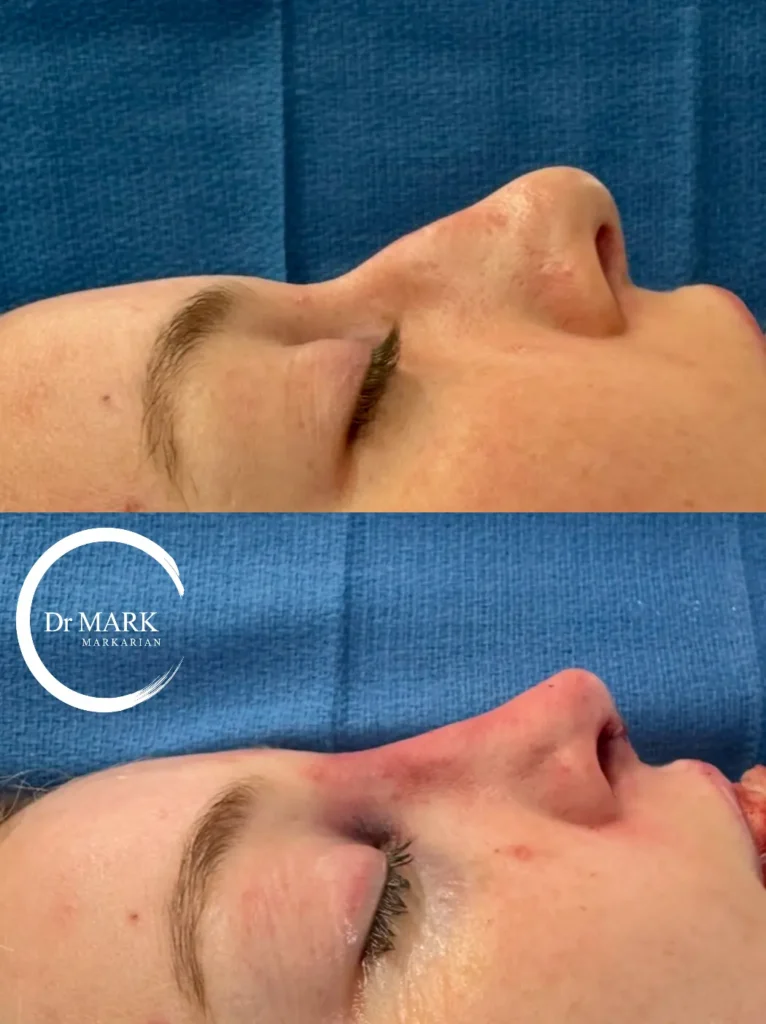
This revision rhino-septoplasty focused on restoring both nasal aesthetics and function. The procedure included tip de-rotation and tip de-projection to create a more natural angle and softer profile, while tip lengthening improved overall nasal balance and support. Structural techniques were also used to enhance airflow and improve breathing.
The immediate post-operative result demonstrates a smoother, more proportionate nasal contour with strengthened support and improved functional stability.
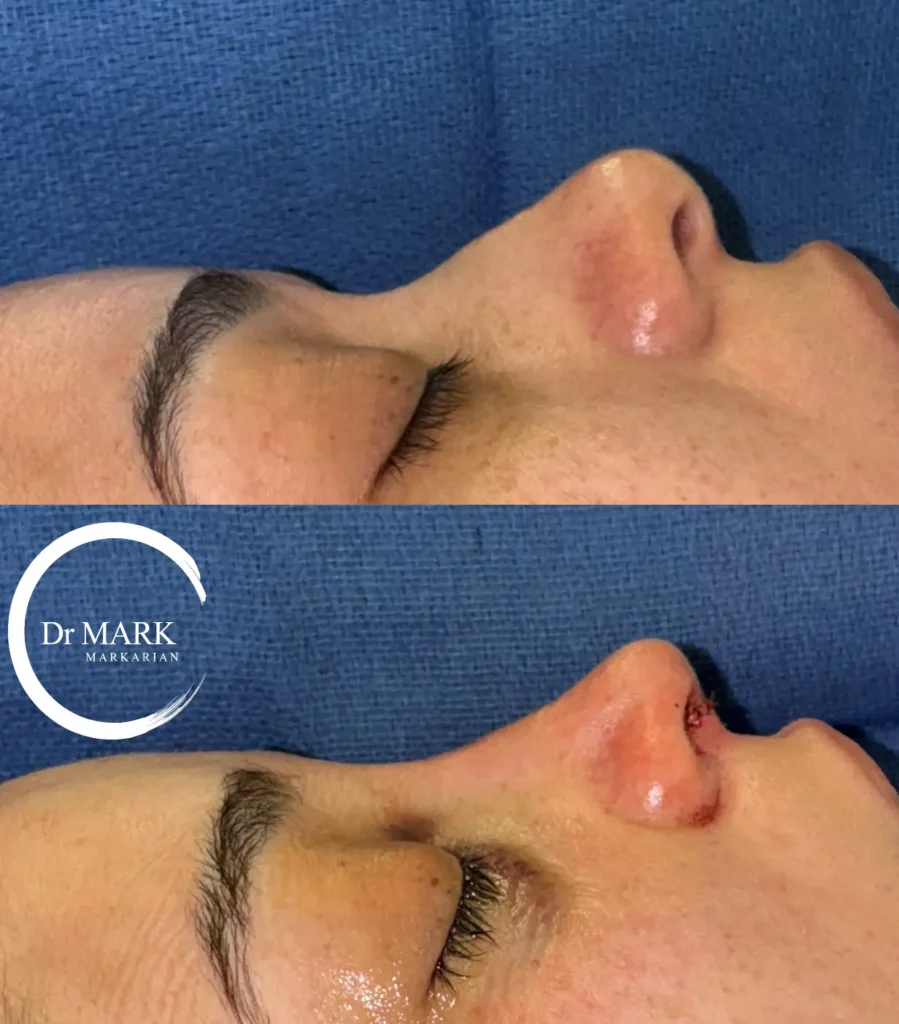
This rhino-septoplasty procedure addressed both cosmetic refinement and nasal function. A subtle nasal hump reduction was performed to create a smoother profile, while tip deprojection, derotation, and lengthening improved the overall definition and balance. Also notice the decreased nostril show postoperatively. Multiple cartilage and soft tissue grafts were used to strengthen nasal support, enhance contour, and improve airway function.
The immediate post-operative result shows a more refined nasal shape with preserved natural proportions and improved structural support for better breathing and long-term stability.
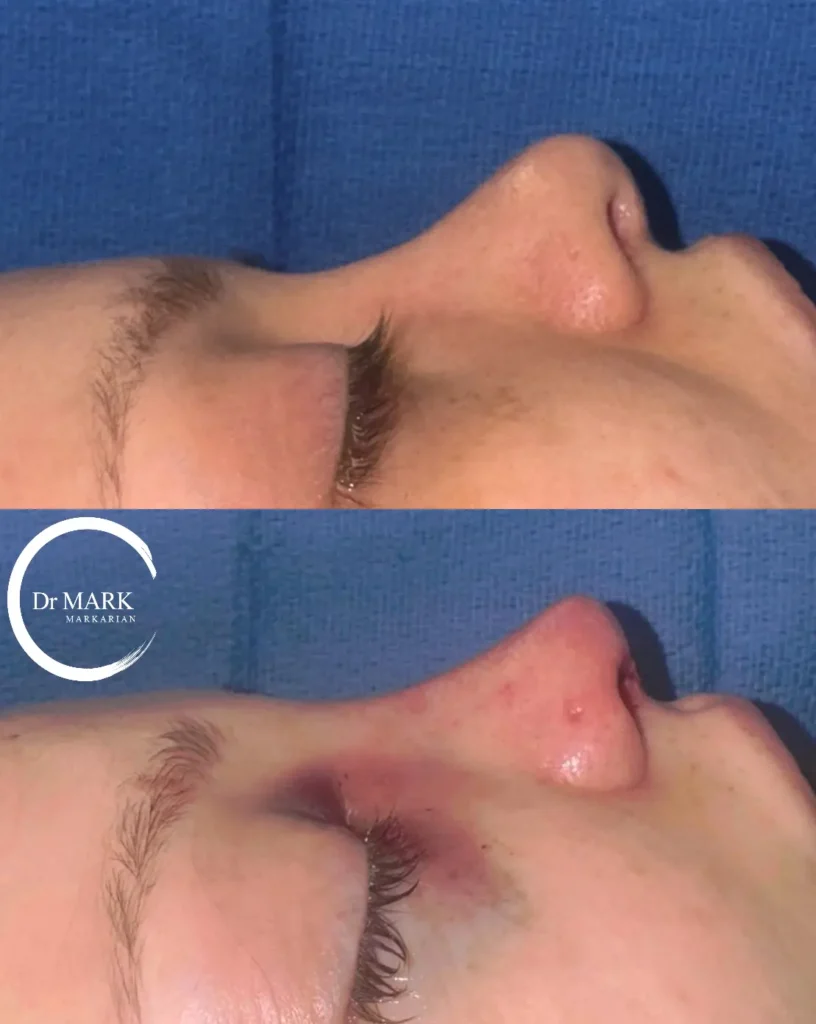
This rhino-septoplasty procedure addressed both cosmetic refinement and nasal function. The middle third of nasal profile was reduced and nasal tip was deprojected, derotated and lengthened. Nostril show was also decreased.
Multiple cartilage and soft tissue grafts were used to strengthen nasal support, enhance contour, and improve airway function. The immediate post-operative result shows a more refined nasal shape with preserved natural proportions and improved structural support for better breathing and long-term stability.
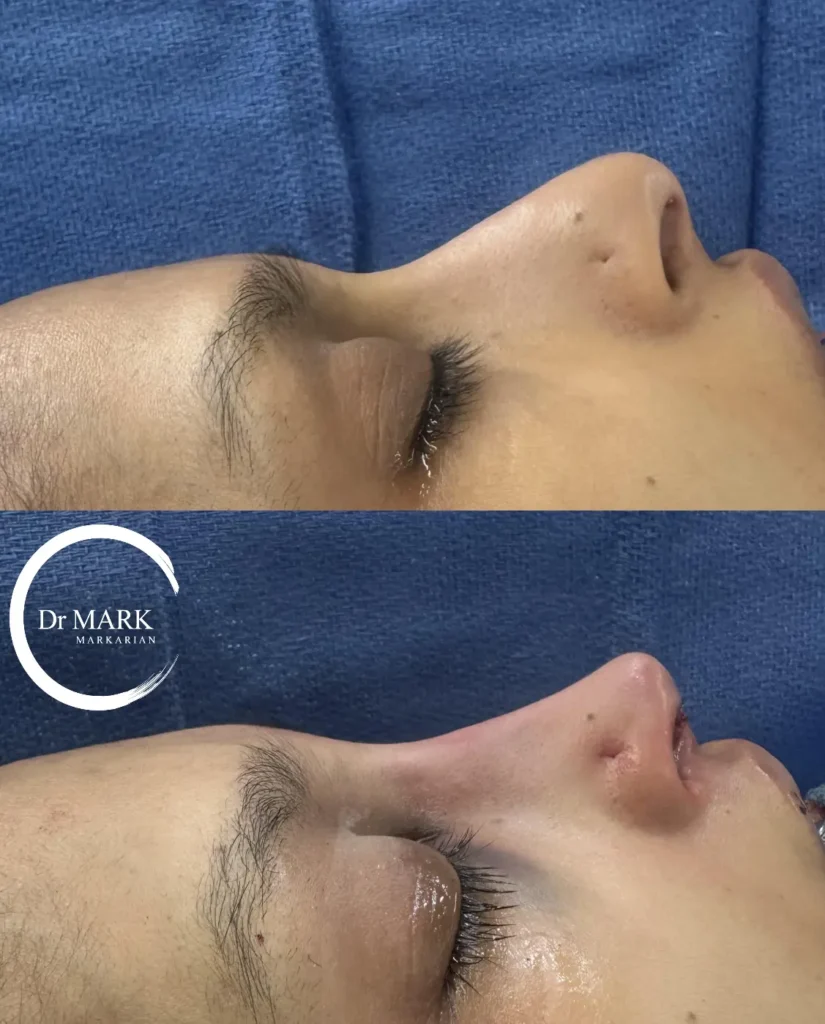
This revision rhino-septoplasty procedure involved a subtle hump reduction, streamlined to the tip, where the middle third of the nose was reduced, the nasal tip was derotated, deprojected, and lengthened, and nostril show was also decreased. All this served to create a smooth, natural feminine contour.
Multiple cartilage and soft tissue grafts were used to strengthen nasal support, enhance contour, and improve airway function. The immediate post-operative result shows a more refined nasal shape with preserved natural proportions and improved structural support for better breathing and long-term stability.
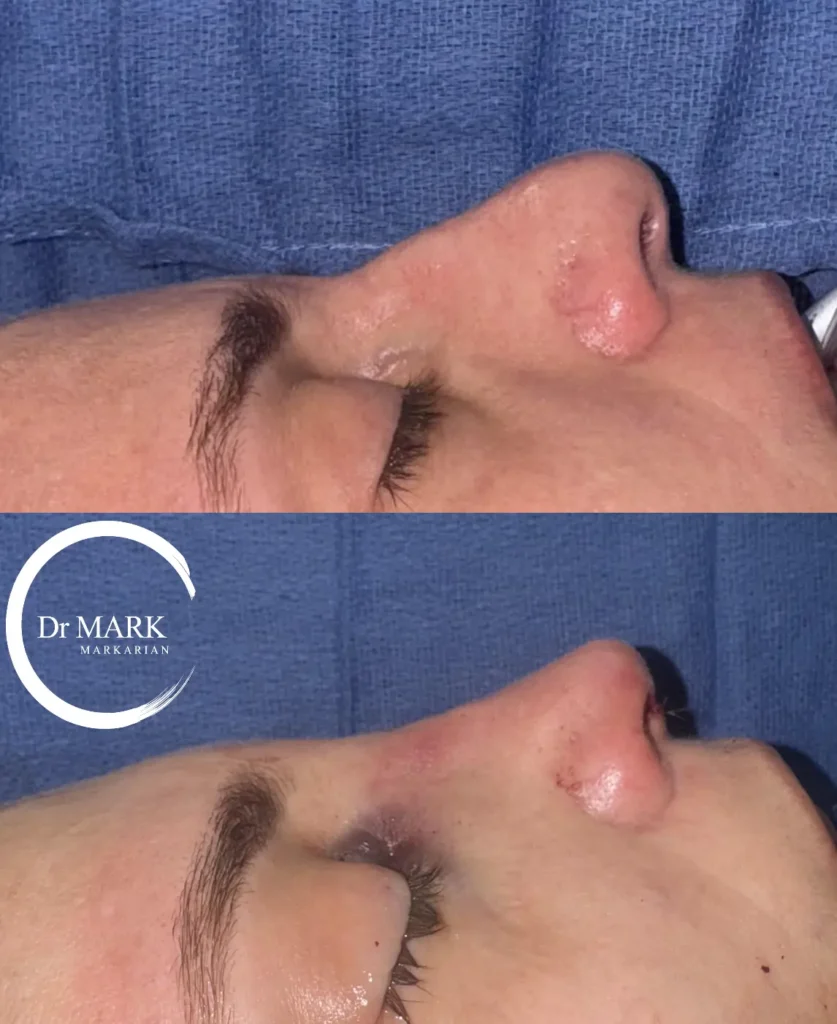
This rhino-septoplasty procedure addressed both cosmetic refinement and nasal function. A streamlined profile was created with a reduction of the subtle hump and middle third of the nose. Also, a number of changes were performed to the nasal tip, which included tip deprojection, derotation, and lengthening.
All these changes served to improve the overall nasal definition and balance. Multiple cartilage and soft tissue grafts were used to strengthen nasal support, enhance contour, and improve airway function. The immediate post-operative result shows a more refined nasal shape with preserved natural proportions and improved structural support for better breathing and long-term stability.
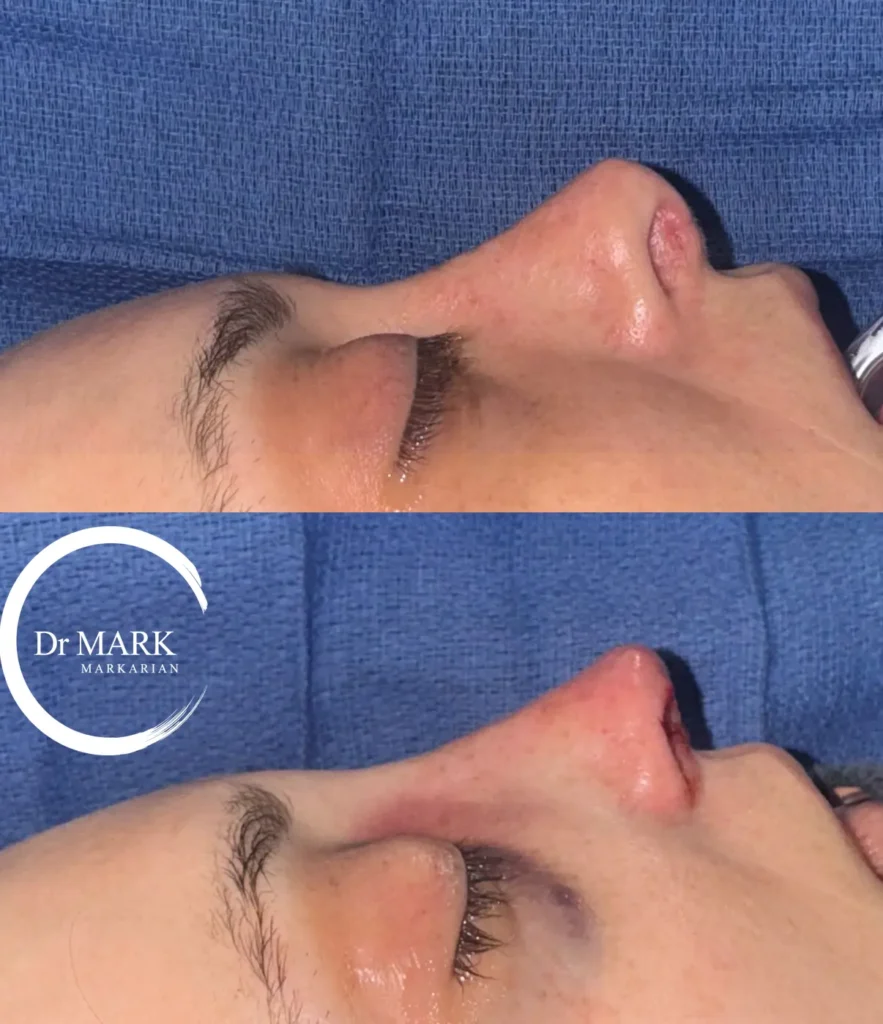
This rhino-septoplasty procedure addressed both cosmetic refinement and nasal function. Cosmetic changes included a dorsal hump reduction, midvault reduction, nasal tip deprojection, and nasal tip rotation. Multiple cartilage grafts were used to strengthen nasal support and improve airway function.
The immediate post-operative result shows a more refined nasal shape with preserved natural proportions and improved structural support for better breathing and long-term stability.
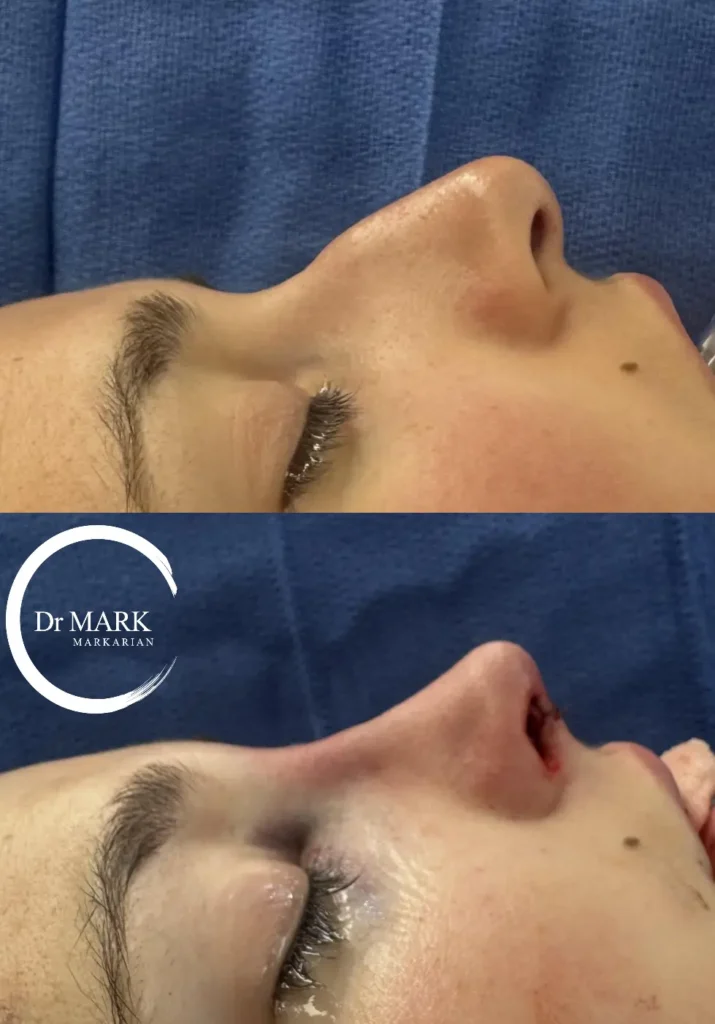
This rhino-septoplasty procedure addressed both cosmetic refinement and nasal function. Cosmetic changes included a dorsal hump reduction, midvault reduction, nasal tip deprojection, and nasal tip rotation. Multiple cartilage grafts were used to strengthen nasal support and improve airway function.
The immediate post-operative result shows a more refined nasal shape with preserved natural proportions and improved structural support for better breathing and long-term stability.
This rhinoplasty procedure focused on subtle refinement while preserving a natural appearance. A conservative hump reduction smoothed the nasal bridge, while tip refinement enhanced shape and definition for improved facial balance. Multiple structural grafts were utilized to support the nasal framework, maintain long-term stability, and optimize contour.
The immediate post-operative result demonstrates a softer, more refined profile with preserved natural harmony.
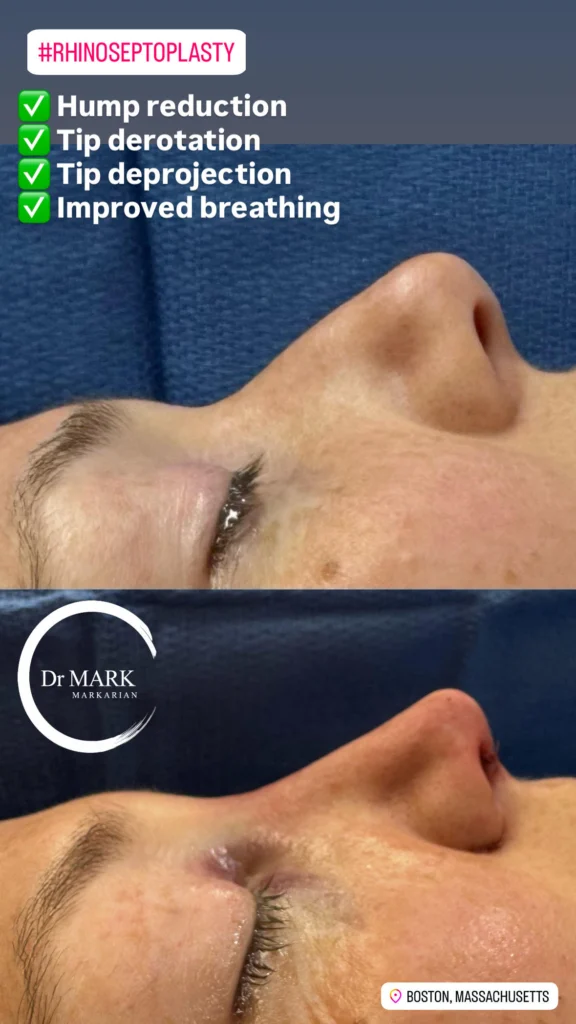
This rhino-septoplasty procedure focused on refining the nasal profile while improving overall nasal function. Hump reduction created a smoother bridge contour, while tip derotation and deprojection helped achieve a more balanced, natural-looking nasal shape.
Functional corrections were also performed to improve airflow and breathing support. The immediate post-operative result demonstrates enhanced facial harmony with preserved structural integrity and improved nasal breathing.
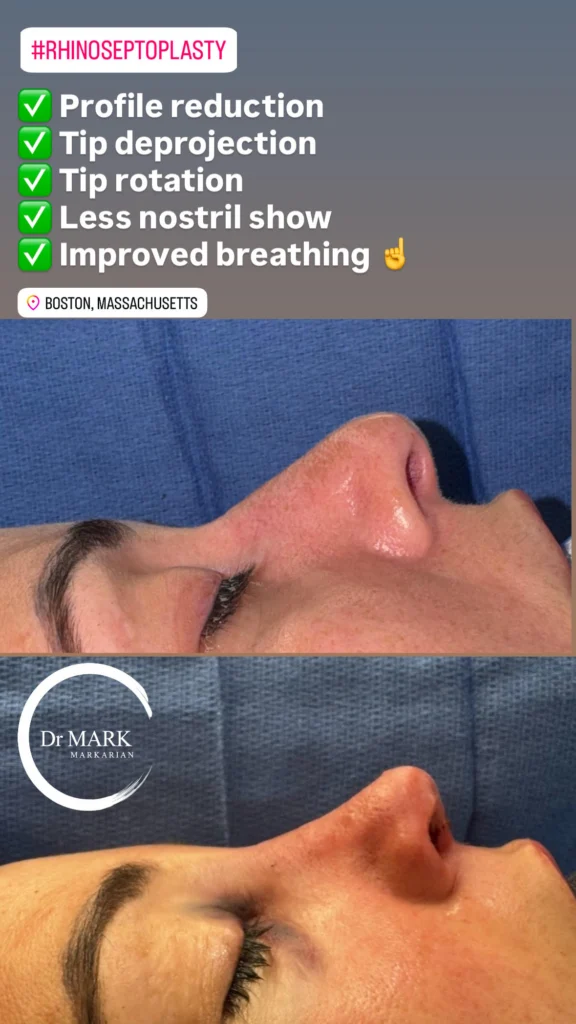
This rhino-septoplasty procedure focused on improving both nasal aesthetics and breathing function. Profile reduction softened the nasal bridge, while tip deprojection and rotation created a more balanced and natural nasal shape.
The procedure also reduced nostril show for improved facial harmony and refinement. Functional corrections were performed to enhance airflow and breathing support, resulting in a smoother profile with improved nasal balance and structure.
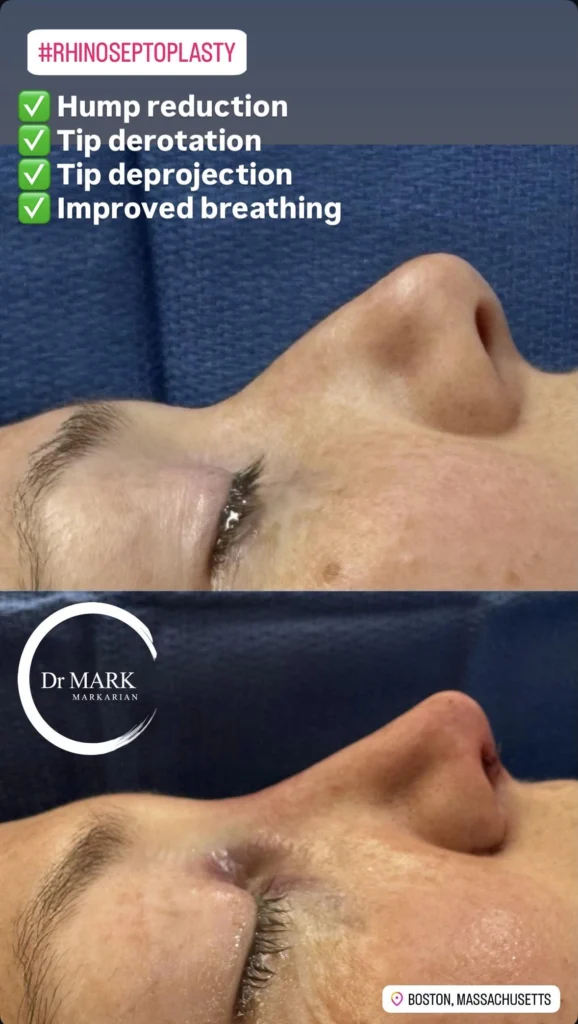
This rhino-septoplasty procedure focused on creating a softer, more balanced nasal profile while improving nasal function. Tip deprojection and refinement were performed to reduce prominence and enhance definition, while profile reduction helped smooth the nasal bridge for a more natural contour. Functional corrections were also made to improve airflow and breathing. The immediate post-operative result demonstrates improved facial harmony with maintained structural support and enhanced nasal function.
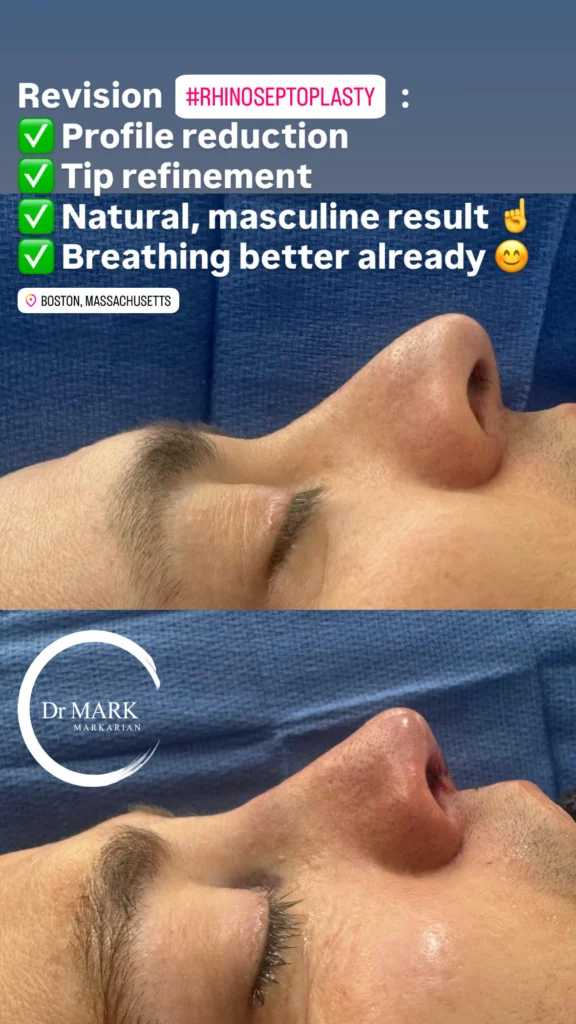
This revision rhino-septoplasty focused on refining the nasal profile while preserving a strong, natural, masculine appearance. Profile reduction smoothed the nasal bridge, and tip refinement enhanced definition and balance without over-rotation.
Functional corrections were also performed to improve airflow and breathing support. The immediate post-operative result demonstrates improved facial harmony with a natural contour and stronger nasal function.
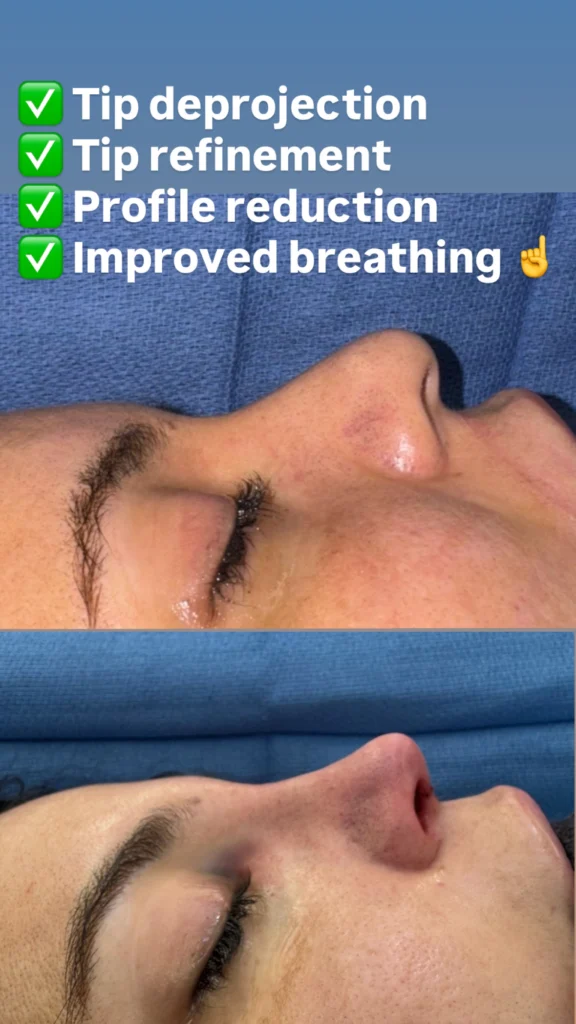
This rhinoplasty procedure focused on creating a softer, more balanced nasal profile while improving nasal function. Tip deprojection and refinement were performed to reduce prominence and enhance definition, while profile reduction helped smooth the nasal bridge for a more natural contour. Functional corrections were also made to improve airflow and breathing. The immediate post-operative result demonstrates improved facial harmony with maintained structural support and enhanced nasal function.
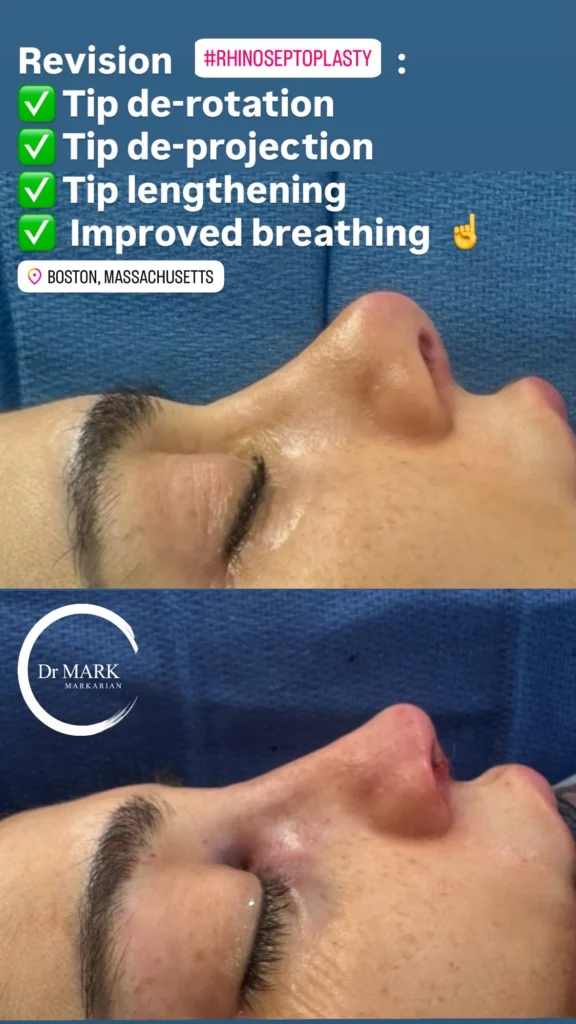
This revision rhino-septoplasty focused on restoring both nasal aesthetics and function. The procedure included tip de-rotation and tip de-projection to create a more natural angle and softer profile, while tip lengthening improved overall nasal balance and support.
Structural techniques were also used to enhance airflow and improve breathing. The immediate post-operative result demonstrates a smoother, more proportionate nasal contour with strengthened support and improved functional stability.
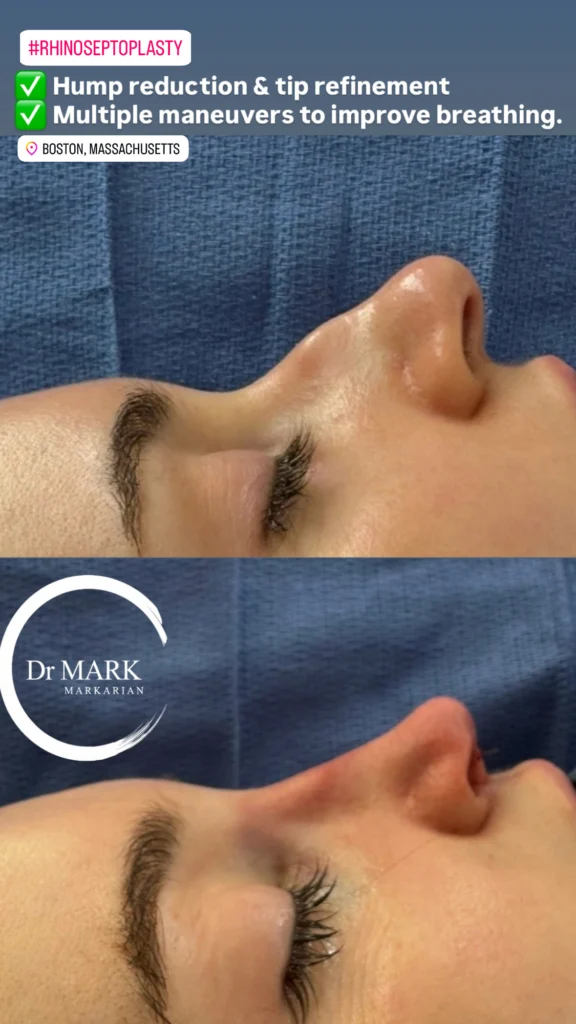
This rhino-septoplasty procedure focused on enhancing both nasal appearance and function. The dorsal hump was reduced to create a smoother, more balanced profile, while tip refinement improved nasal definition and symmetry.
Multiple structural maneuvers were also performed to support the airway and improve breathing. The immediate post-operative result demonstrates a refined nasal contour with preserved natural proportions and improved functional support.
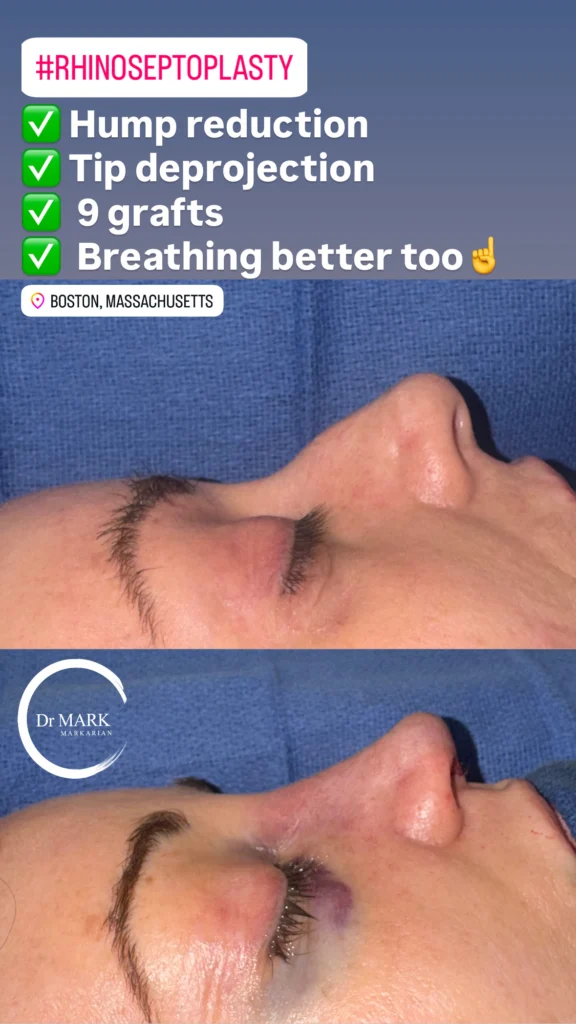
This rhino-septoplasty procedure combined cosmetic refinement with functional nasal improvement. The dorsal hump was reduced to create a smoother profile, while tip deprojection helped achieve a softer, more balanced nasal appearance.
Multiple structural grafts were placed to support the nose, improve contour, and maintain long-term stability. The procedure also addressed breathing concerns, helping enhance nasal airflow while preserving natural facial harmony.
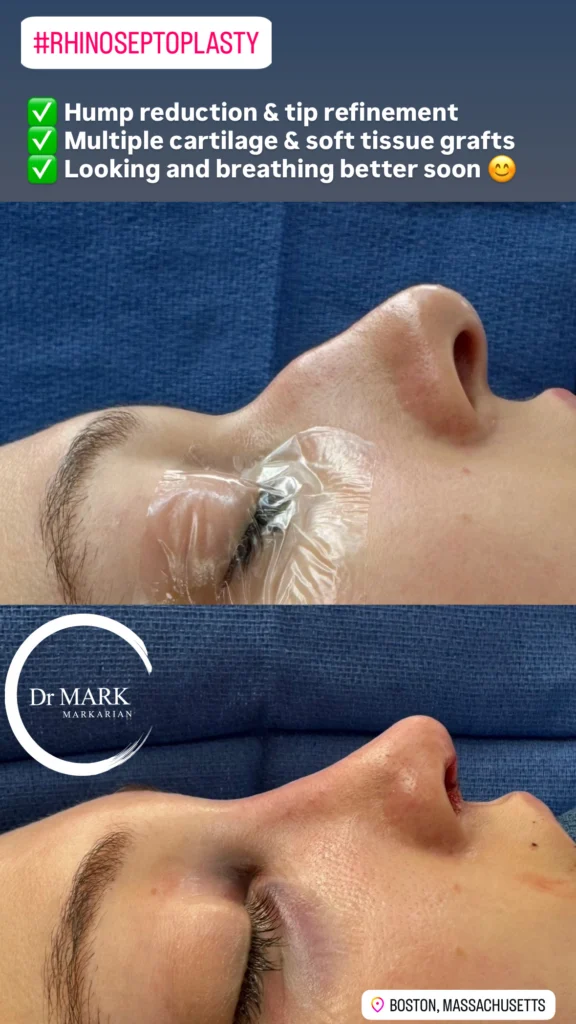
This rhino-septoplasty procedure addressed both cosmetic refinement and nasal function. The nasal hump was reduced to create a smoother profile, while tip refinement improved overall definition and balance.
Multiple cartilage and soft tissue grafts were used to strengthen nasal support, enhance contour, and improve airway function. The immediate post-operative result shows a more refined nasal shape with preserved natural proportions and improved structural support for better breathing and long-term stability.
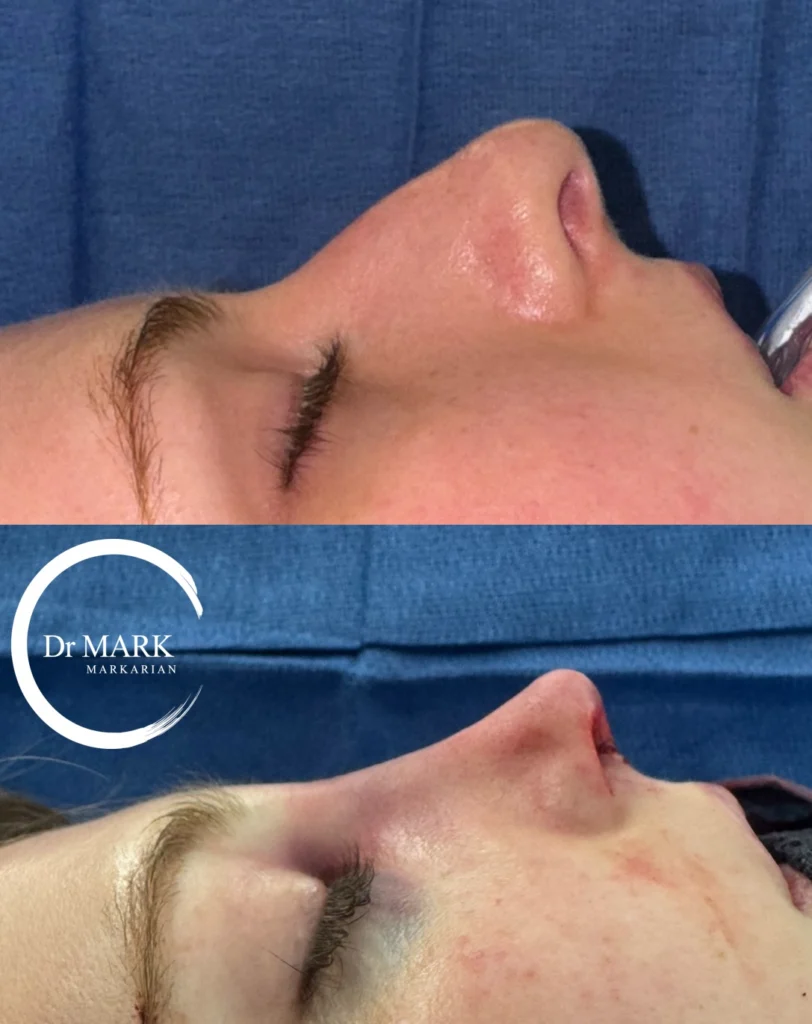
Shown immediately after Rhinoplasty, this patient underwent profile reduction and tip refinement.
Multiple cartilage and soft tissue grafts were used, providing long-term structural support and maintaining the nose's appearance.
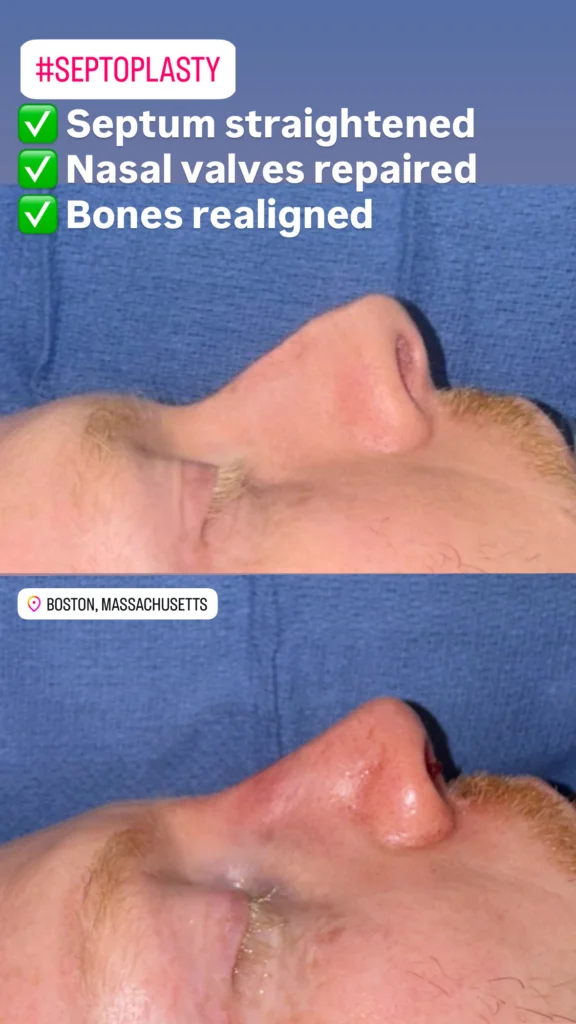
This septoplasty procedure focused on improving both nasal breathing and structural alignment. The deviated septum was straightened to restore proper airflow, weakened nasal valves were repaired to improve breathing support, and the nasal bones were carefully realigned for better symmetry and function.
The post-procedure image demonstrates a straighter nasal profile with improved structural balance while maintaining a natural appearance.
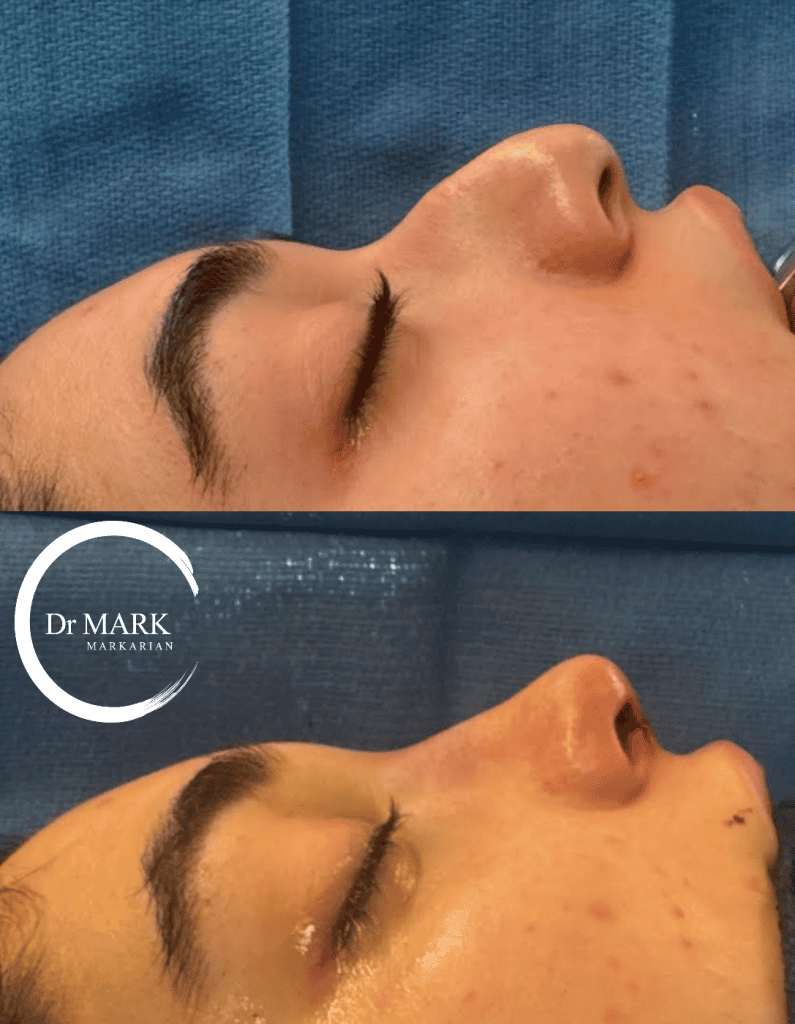
This patient, shown immediately after a Rhinoplasty, underwent a profile reduction and tip refinement.
Multiple cartilage and soft tissue grafts were used to provide long-term stability and structure to the nose to maintain long-term appearance.
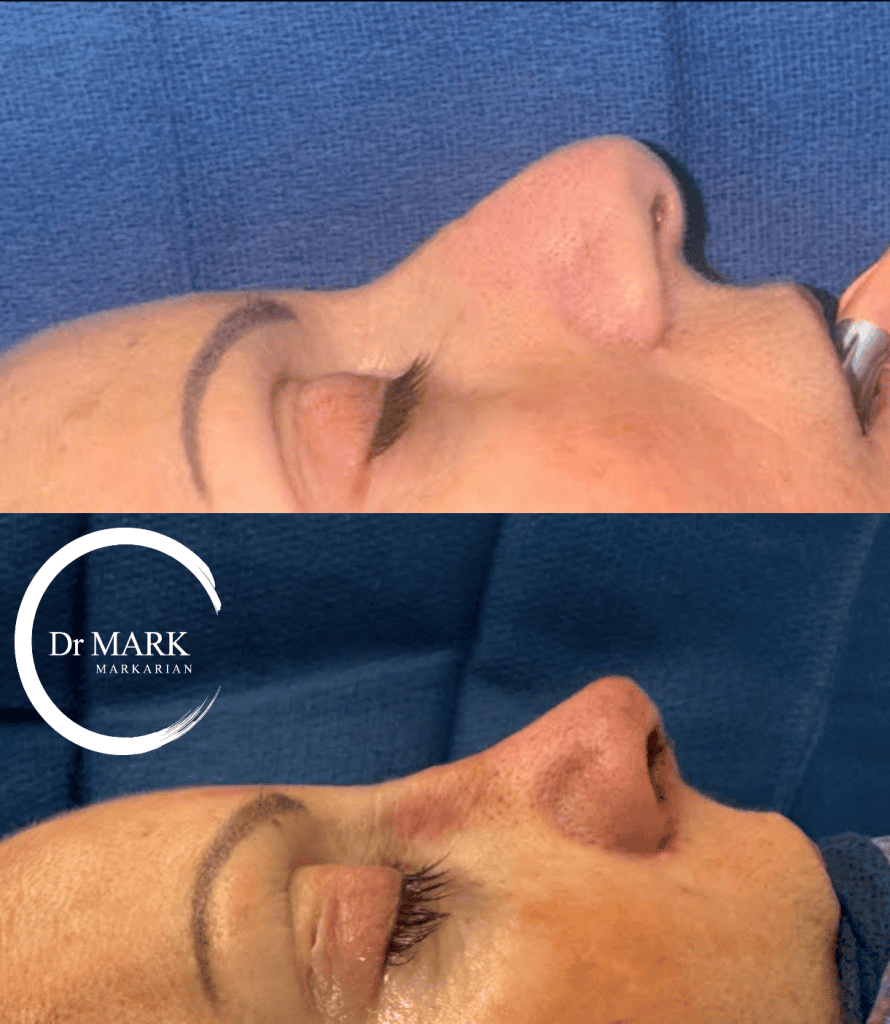
Shown immediately after a Rhinoplasty this patient had a profile reduction and tip refinement.
Soft tissue grafts and multiple cartilage grafts were utilized to provide the stability and structure required to maintain the long-term appearance of the nose.
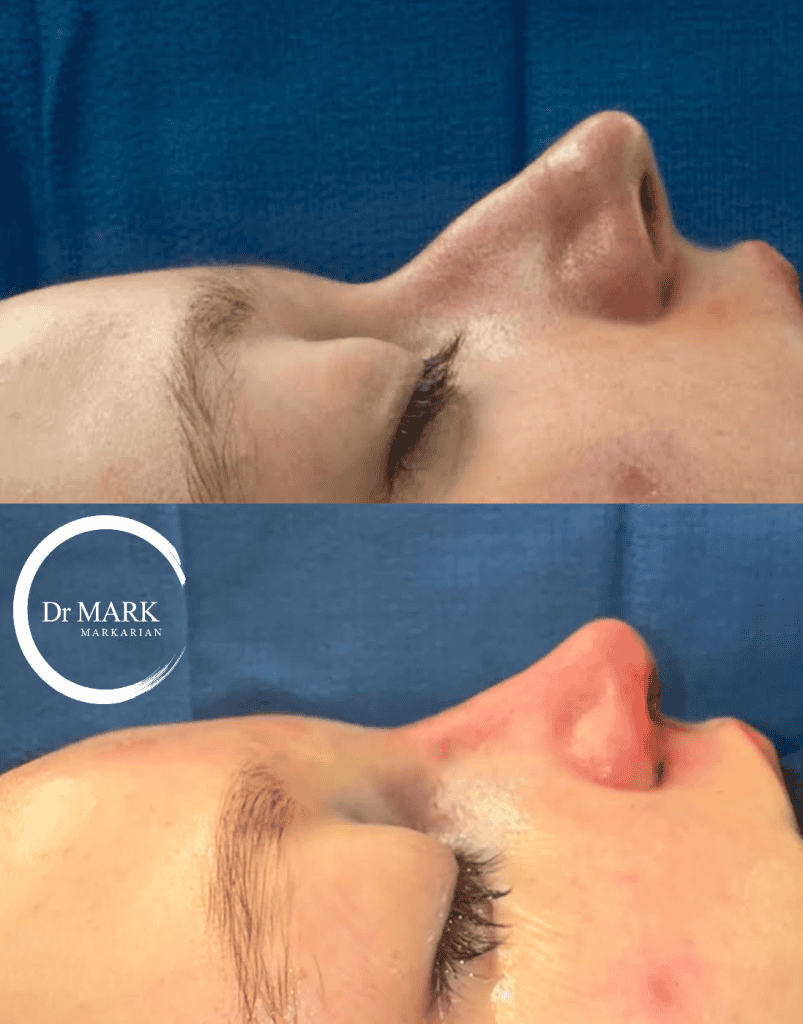
This patient, shown immediately after a Rhinoplasty, underwent a profile reduction and tip refinement.
Cartilage grafts and soft tissue grafts were used, providing a stable structure to maintain the long-term appearance of the nose.

Shown immediately after Rhinoplasty this patient underwent profile reduction and tip refinement.
Multiple cartilage grafts and soft tissue grafts were used, providing long-term stability and structure to the nose to maintain its long-term appearance.
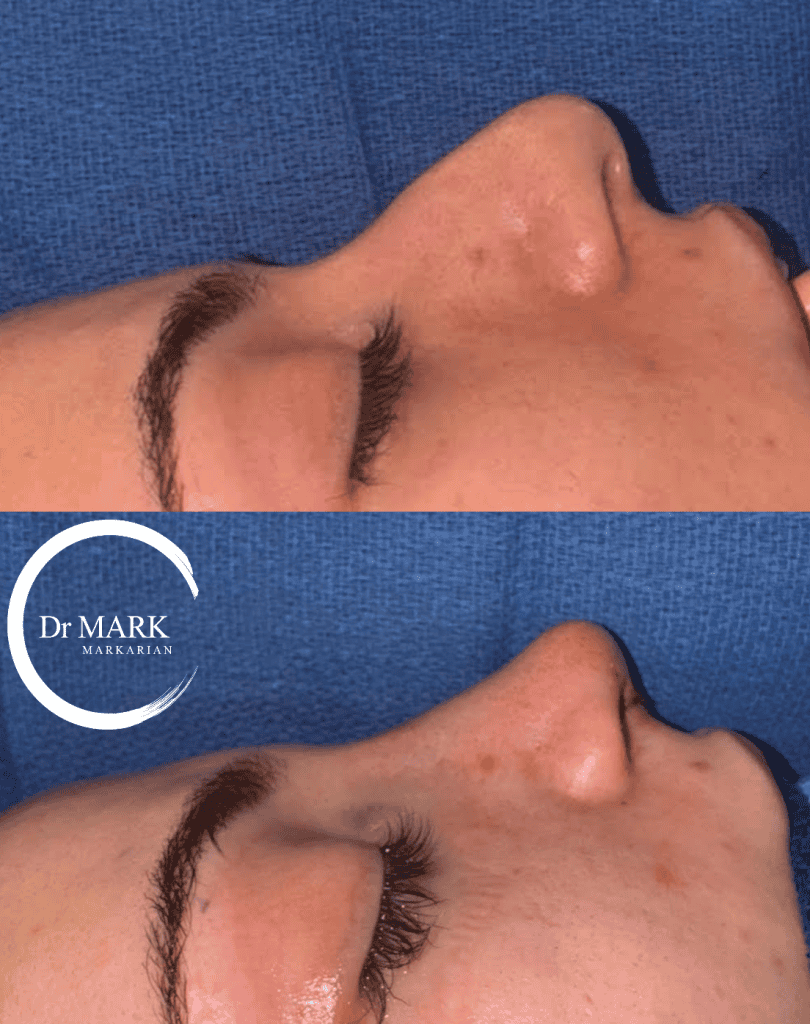
Shown immediately after surgery, this patient had a Rhinoplasty to reduce the profile of the nose and some refinement to the tip.
Multiple cartilage grafts and soft tissue grafts were utilized, ensuring long-term stability and structure to the nose to maintain its appearance.

This patient is shown immediately after a Rhinoplasty to reduce her dorsal hump and redefine and narrow her tip.
Cartilage grafts and mastoid fascia grafts were used to not only improve her breathing but to help provide long-term stability and structure to the nose, and maintain its appearance long-term.

This patient is shown immediately after a Revision Rhinoplasty to narrow the top of the nose down to the tip, deproject the tip, and decrease the nostril show.
MTF cartilage and mastoid fascia grafts were used to not only improve her breathing but to help provide long-term stability and structure to the nose, and maintain its appearance long-term.
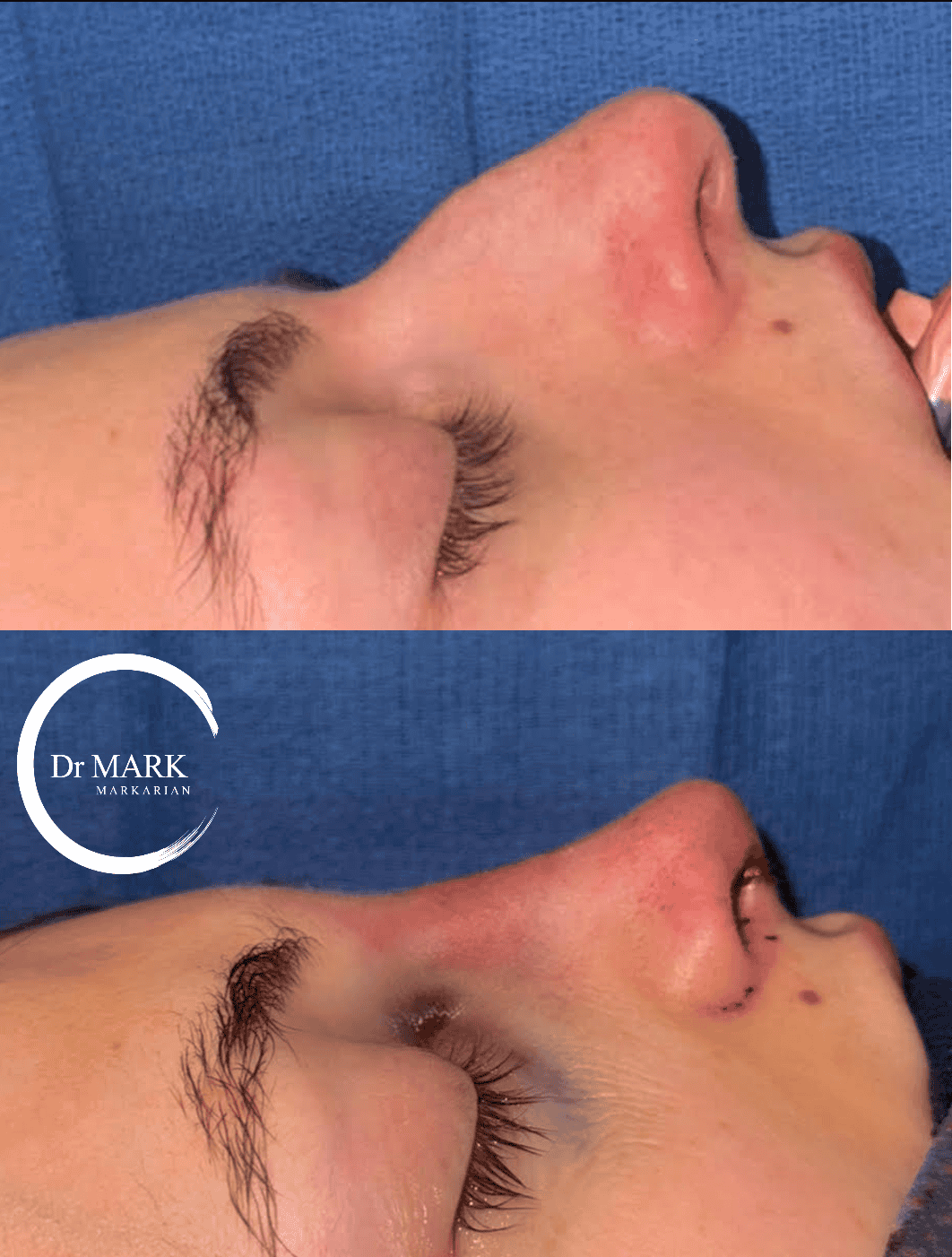
This patient is shown immediately after a Rhinoplasty to reduce her dorsal hump, narrow the top of the nose down to the tip, and deproject the tip.
MTF cartilage grafts, extended spreader grafts, extended alar contour grafts, a columellar strut, and mastoid fascia were used to not only improve her breathing but to help provide long-term stability and structure to the nose, and maintain its appearance long-term.

This patient is shown immediately after a Rhinoplasty to reduce her dorsal hump, refine her tip, and lift her drooping tip.
Grafts were used to not only improve her breathing but to help provide long-term stability and structure to the nose, and maintain its appearance long-term.

This patient is shown immediately after a Rhinoplasty to shorten her nostrils, narrow the top and tip of her nose, and bring down her hump and profile.
Grafts were used to not only improve her breathing but to help provide long-term stability and structure to the nose, and maintain its appearance long-term.

These twin patients are shown immediately after a Rhinoplasty to reduce their humps, refine their tips, narrow their noses top to tip, and improve their profiles.
Grafts were used to not only improve their breathing but to help provide long-term stability and structure to the nose, and maintain its appearance long-term.


This patient is shown immediately after a Rhinoplasty to reduce her hump, deproject her tip, and make her nose appear smaller overall.
Grafts were used to not only improve her breathing but to help provide long-term stability and structure to the nose, and maintain its appearance long-term.

This patient is shown immediately after a Rhinoplasty to reduce her hump, reduce her midvault, and deproject her tip.
Grafts were used to not only improve her breathing but to help provide long-term stability and structure to the nose, and maintain its appearance long-term.

This patient is shown immediately after a Rhinoplasty to reduce her dorsal hump, narrow her nose from the top down to the tip, straighten out her nose, and refine her tip.
Grafts were used to not only improve her breathing but to help provide long-term stability and structure to the nose, and maintain its appearance long-term.
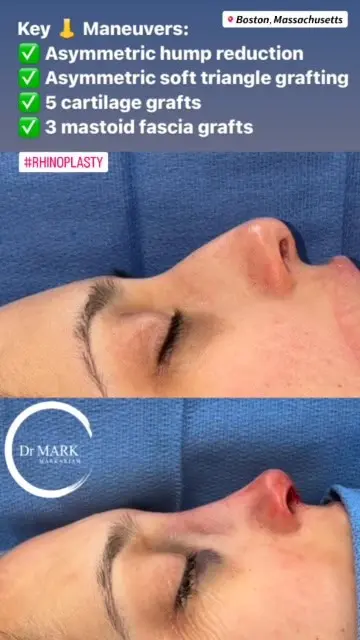
This patient is shown immediately after a Rhinoplasty to reduce her hump, refine her tip, improve symmetry and reduce the overall appearance of her nose.
Grafts were used to not only improve her breathing but to help provide long-term stability and structure to the nose, and maintain its appearance long-term.

This patient is shown immediately after a Rhinoplasty to reduce her dorsal hump, create a narrower nasal bridge & tip, and refine/rotate her tip.
Grafts were used to not only improve her breathing but to help provide long-term stability and structure to the nose, and maintain its appearance long-term.

This patient is shown immediately after her 4th rhinoplasty after having 3 previous nose surgeries with other surgeons. The goal was to improve asymmetries, drainage & irritation of the tip, the appearance of her profile, and breathing.
Cadaver and mastoid fascia grafts were used to not only improve her breathing but to help provide long-term stability and structure to the nose, and maintain its appearance long-term.

This patient is shown immediately after a Rhinoplasty to reduce her hump, decrease her columella and nostril show, lift and straighten her tip, and narrow her nose.
Grafts were used to not only improve her breathing but to help provide long-term stability and structure to the nose, and maintain its appearance long-term.

This patient is shown immediately after a Rhinoplasty to reduce the overall size of her nose, lower her profile, and lift her drooping tip.
Cartilage grafts and mastoid fascia grafts were used to not only improve her breathing but to help provide long-term stability and structure to the nose, and maintain its appearance long-term.
This patient is shown immediately after a Male Rhinoplasty to reduce his dorsal hump, improve his profile while preserving masculinity, and create a narrower bridge and tip.
No more droopy tip when smiling, too!

This patient is shown immediately after a Revision Rhinoplasty to improve her breathing, further reduce her hump, and refine asymmetries and projection issues in her tip.
Fascia grafts were used to not only improve her breathing, but to help provide long-term stability and structure to the nose, and maintain its appearance long-term.

This patient is shown immediately after a revision Rhinoplasty after having 2 previous nose surgeries with other surgeons. The goals were to further reduce her dorsal hump, improve tip asymmetries, and better define her tip.
Fascia & alar contour grafts were used to not only improve her breathing, but to help provide long-term stability and structure to the nose, and maintain its appearance long-term.

This patient is shown immediately after a Rhinoplasty to slim down the appearance of her bulbous nose, give her a sleeker profile, and better define her tip.
Fascia grafts were used to not only improve her breathing, but to help provide long-term stability and structure to the nose, and maintain its appearance long-term.

This patient is shown immediately after a Rhinoplasty to reduce her dorsal hump, refine asymmetries, and improve projection issues in her tip.

This patient is shown before, immediately after a Rhinoplasty to reduce her dorsal hump and refine her nasal tip, and 10 months post-op.
Significant cartilage grafting was performed to not only improve her breathing but to help provide long-term stability and structure to the nose, and maintain its appearance long term.

This patient is shown immediately after a Rhinoplasty to reduce her hump, slim down the appearance of her nose from the top to the tip, and de-project her tip.
Cartilage grafts, soft tissue grafts and bone grafts were used to not only improve her breathing, but to help provide long-term stability and structure to the nose, and maintain its appearance long-term.
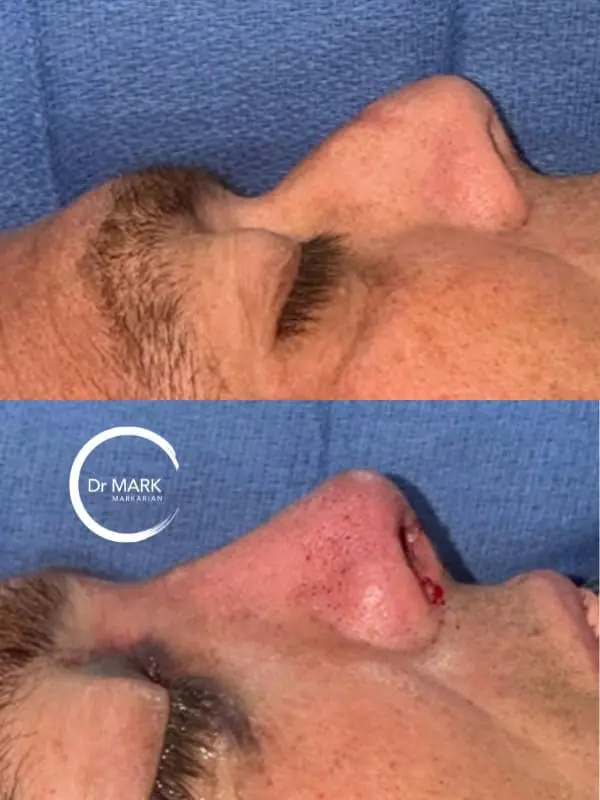
Immediate postoperative results are shown in this gentleman who underwent a complex Revision Rhinoplasty-Septoplasty.
He had a subtle hump, a significantly widened and crooked nose, a bulbous tip, and breathing difficulty with a deviated septum that were all corrected. MTF (cadaver) cartilage was utilized for multiple cartilage grafts to reinforce the changes made to preserve long-term results. Soft tissue grafting to the tip was also performed to optimize an overall tip-defining point and natural result.
Though there's significant swelling, please note the overall improvement in nose contour and definition at the tip.
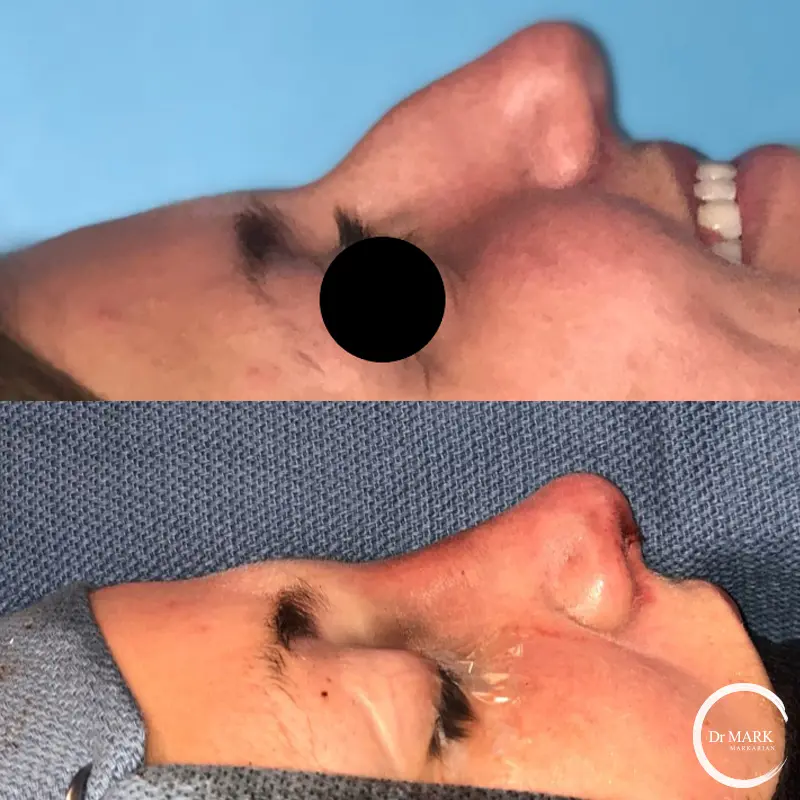
18-24 year old woman
This patient is shown immediately after a Rhinoplasty to reduce her dorsal hump and refine her nasal tip. A septoplasty was also performed to improve her breathing.
Significant cartilage grafting was performed to not only improve her breathing but to help provide long-term stability and structure to the nose, and maintain its appearance long term.
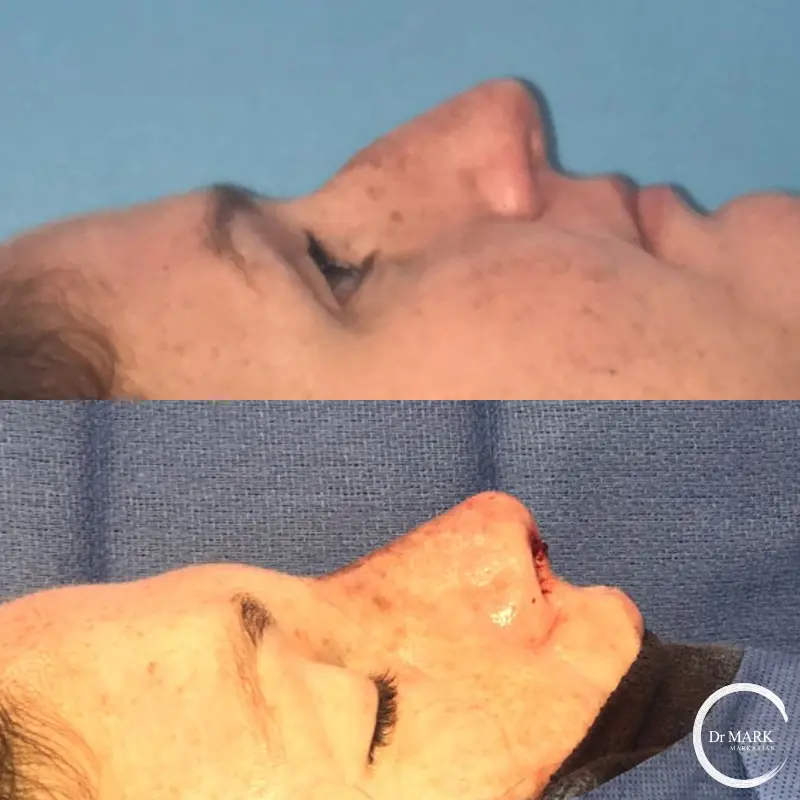
18-24 year old woman
An immediate photo from the Operating Room after surgery (before the swelling has set in) can show patients what their nose will look like once all the swelling has gone down — this can take up to a year.
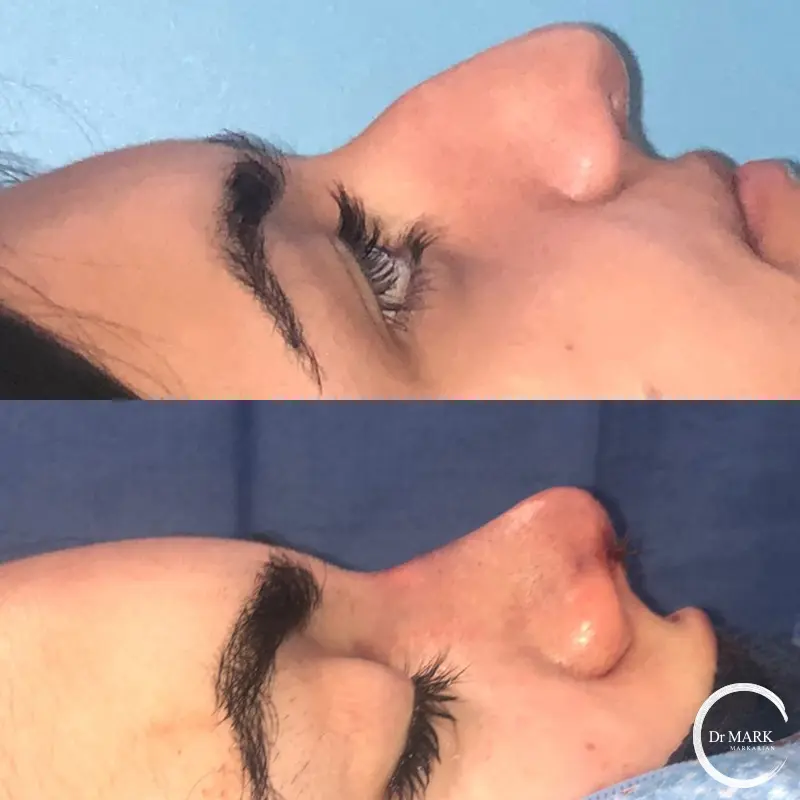
18-24 year old woman
An immediate photo from the Operating Room after surgery (before the swelling has set in) can show patients what their nose will look like once all the swelling has gone down — this can take up to a year.


All photos and videos in this gallery are actual post-operative results of Dr. Markarian's work, unaltered except for standard cropping.
"He answered every one of my questions — I had no doubts going into my procedure. The results look completely natural."
MICHELLE P. · VERIFIED PATIENT"He took the time to understand exactly what I wanted and walked me through every step. I couldn't be happier."
JOHN J. · VERIFIED PATIENT"Professional and genuinely caring throughout. He is attentive, helpful, and I felt cared for at every step."
SMITH T. · VERIFIED PATIENT