
Boston Septoplasty patients undergo the procedure to help resolve breathing issues caused by having a deviated septum. It is a very low-risk procedure and according to Medical News Today up to 85% of patients who have undergone the procedure benefit from reduced nasal blockage. The procedure provides additional benefits for patients that extend beyond improved breathing which is why the surgery has a 94% worth-it rating on RealSelf.
- What is Septoplasty?
- Benefits of Septoplasty Surgery
- How much is Septoplasty Surgery in Boston?
- Recovering from Septoplasty
- Contact
What is Septoplasty?
Septoplasty is a type of rhinoplasty procedure that is specifically undertaken to fix breathing issues caused by problems such as having a deviated septum. Most rhinoplasty procedures are performed to make aesthetic alterations to a patient’s nose while septoplasty is only performed to help solve medical issues.
The septum is the section of cartilage in between the nostrils and is the area of the nose that is treated in septoplasty surgery. Often the septum is slightly bent or crooked and this causes no issues, but having a very crooked septum can significantly impact someone’s ability to breathe as one of the nostrils can be significantly blocked. Septoplasty straightens the septum or in some cases, the septum is replaced by cartilage or bone to ensure that neither nostril is blocked and breathing is optimized through both nostrils.
The procedure can be undertaken alongside a nose reshaping procedure so that both medical and aesthetic concerns are addressed simultaneously. This will alter the process of the surgery and the cost of the procedure but is often undertaken by Boston Septoplasty patients. Dr. Markarian can help advise during your consultation what techniques would be most suitable to address your specific concerns and achieve your goals for surgery.
Benefits of Septoplasty Surgery
There are multiple benefits for patients who undergo septoplasty surgery as fixing a deviated septum reduces nasal obstruction leading to many advantages including the possibility of:
- Enhanced breathing
- Reduced snoring
- Improved sleep quality
- Reduced number of sinus infections
- Increased ability to exercise
- Lowers number of nosebleeds
- Lessened sinus headaches
- Enhanced appearance of the nose
How much is Septoplasty Surgery in Boston?
Deviated Septum Surgeryy.org report that the cost of the procedure can amount to around $12,000. However, this figure does not include any pre or post-procedure care and so the actual cost of the surgery is likely to amount to more than this. The exact cost of the surgery will depend on the complexity of the procedure. For example, if the septum needs to be trimmed to reduce nostril obstruction then this will be far less expensive than if a cartilage graft needs to be inserted into the septum.
Insurance providers may cover the cost or help fund a septoplasty procedure as the surgery is undertaken for medical reasons. You should check with your specific insurance provider to find out if you are eligible for coverage as different insurance policies will offer varying extents of coverage even for surgeries performed for medical reasons.
We typically work with these insurance providers:
- Harvard Pilgrim Health Care
- Aetna
- CIGNA
- Blue Cross
- UnitedHealthcare
- Mass General Brigham Health Plan
Recovering from Septoplasty
After the procedure, your nose will be swollen and you will have cotton wool inserted into the nostrils to help control bleeding after the surgery. You should keep your head elevated even when sleeping to help with any swelling or bleeding and you should avoid blowing your nose for the first few days.
Generally, it takes about seven to ten days for patients to recover from the procedure, meaning the recovery period is much shorter than many other surgeries performed on the nose. Most Boston Septoplasty patients’ breathing improves shortly after the procedure and when the initial side effects such as swelling have settled down. Despite this, it can take up to a year for the septum to completely recover.
Contact
If you are considering undergoing a Septoplasty procedure, you should visit a Board-Certified Plastic Surgeon who has extensive knowledge and skills in performing surgeries that resolve breathing issues and fix deviated septums. During your consultation, you should discuss your specific goals and aims so that the most suitable techniques can be recommended.
Contact Board-Certified Plastic Surgeon Dr. Mark Markarian for a consultation.
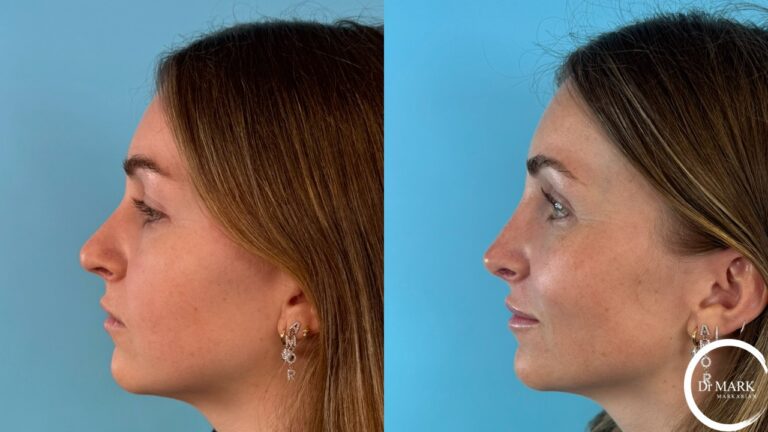
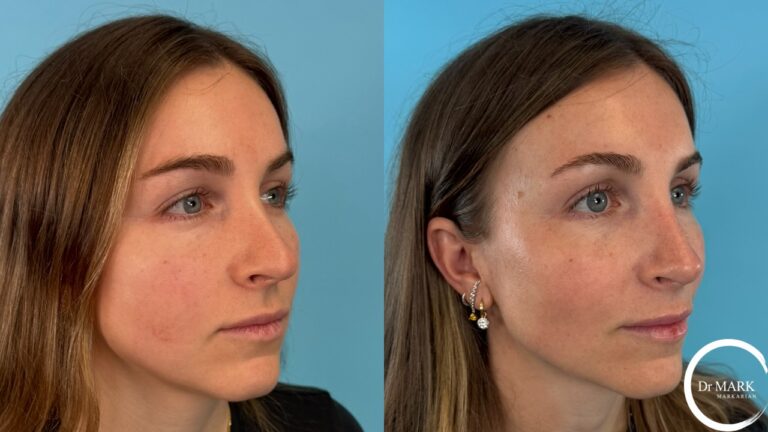
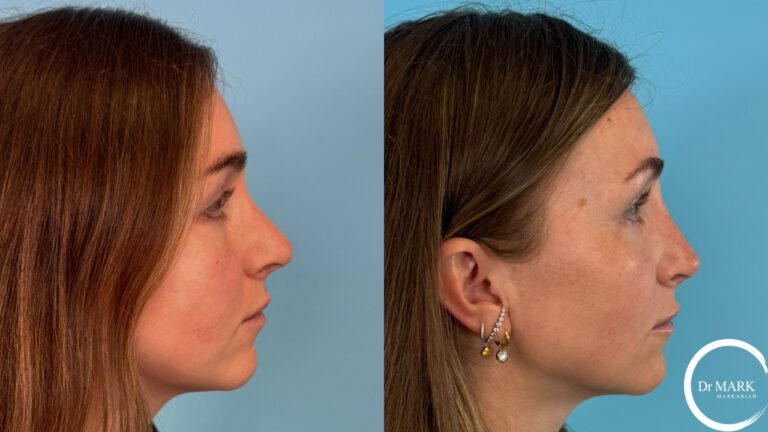
1 Year after a Rhinoplasty & Septoplasty
This young lady is looking better and breathing better 1 year following her rhinoplasty and septoplasty.
Notice how her nostril collapse has also improved in the "worm's eye" view -- the view from below the nostrils...
Key maneuvers include a component hump reduction, reverse angulated caudal septal trim, extended spreader grafts locked into a columellar strut graft, extended alar contour grafts, and a hybrid tip graft, all to help provide long-term stability and structure to maintain the aesthetic and functional goals.
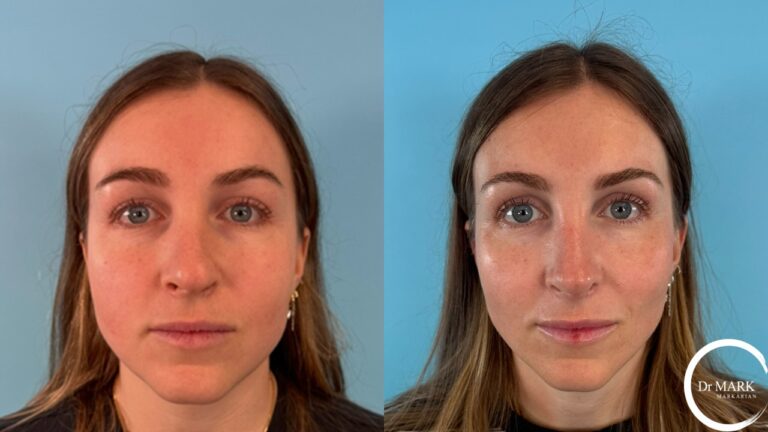
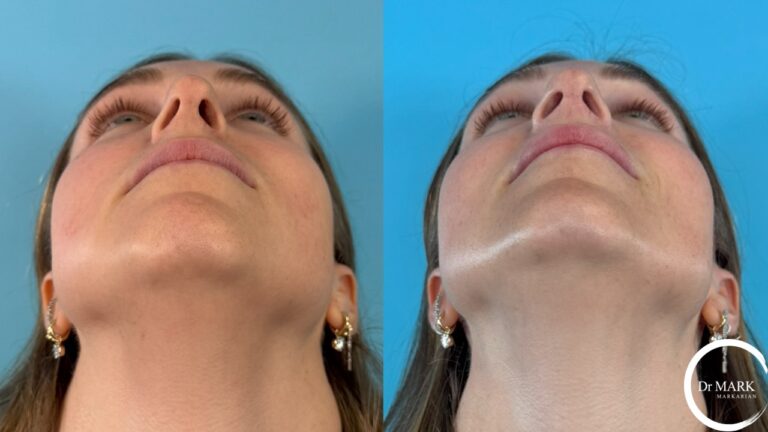
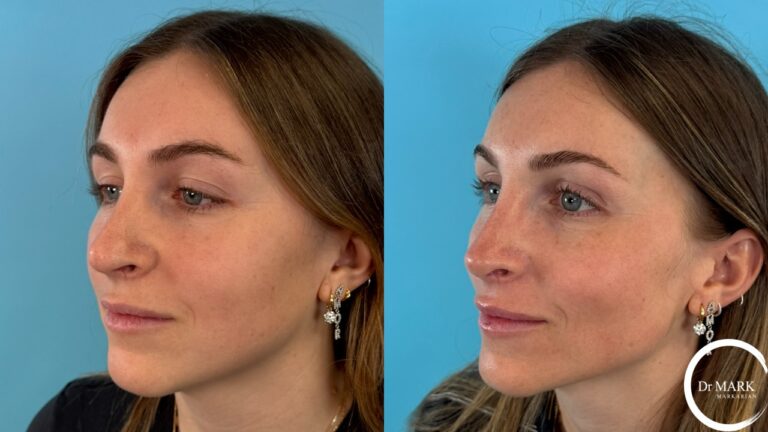
9 months after a Rhinoplasty and Septoplasty
18-24 year old woman
Full views are shown. Please notice the almost invisible incision in the columella in the “worm’s eye view” (when she looks up), how the tip stays in the perfect position even when smiling, and how the tip closely resembles the initial postoperative results in the operating room (in the final photo).
It takes 12-18 months for all the swelling to subside, during which time I see patients in the office every 2-3 months for steroid injections to accelerate the resolution of the swelling.
The overall goal is always to maintain a natural result. Key maneuvers included a component hump reduction, reverse angulated caudal septal trim, tip deprojection with a columellar strut graft, spreader grafts, alar contour grafts, and a mastoid fascia tip graft – the multiple cartilage grafts were used to help provide long-term stability and structure to maintain the aesthetic and functional goals.


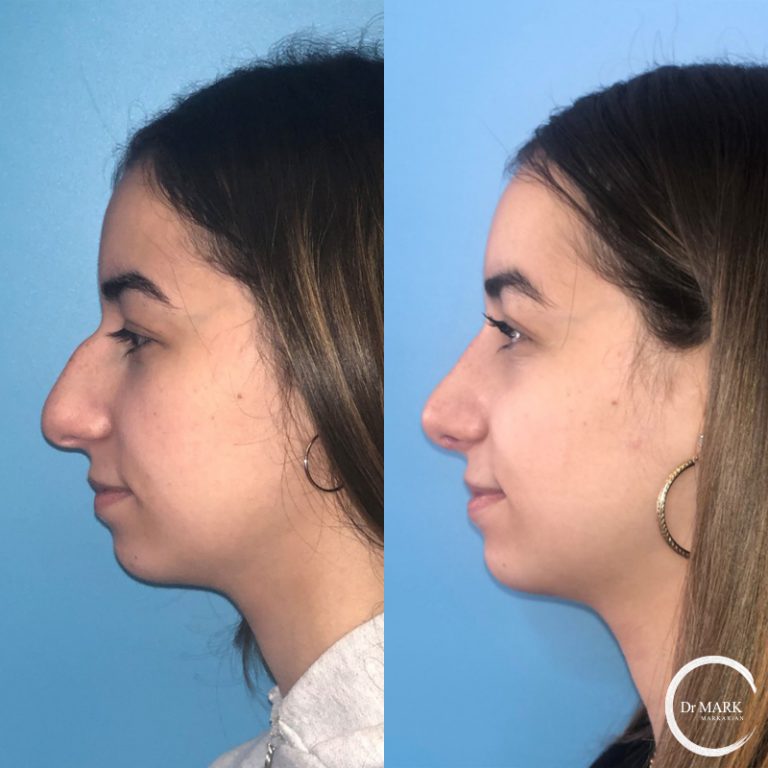
6 weeks after a Rhinoplasty and Septoplasty
Aged 17 or under woman
Her dorsal hump was reduced, and her nasal tip was refined. Significant cartilage grafting was performed to not only improve her breathing but also to help provide long-term stability and structure to the nose and maintain its appearance long term.
Approximately 85% of the swelling has gone down at this point, and the remainder may take up to a year.
Dr. Markarian’s overall goal is to create a natural result that is patient-customized to maintain harmony and symmetry with the rest of the face.
6 weeks after a Rhinoplasty and Septoplasty
18-24 year old woman
This patient underwent a Rhinoplasty procedure to reduce her dorsal hump and refine her nasal tip, in addition to a Septoplasty to improve her breathing. Significant cartilage grafting was performed to not only improve her breathing but also to help provide long-term stability and structure to the nose and maintain its appearance long term.
Approximately 85% of the swelling has gone down at this point, and the remainder may take up to a year.
Dr. Markarian’s overall goal is to create a customized yet natural result that maintains harmony and symmetry with the rest of the face.


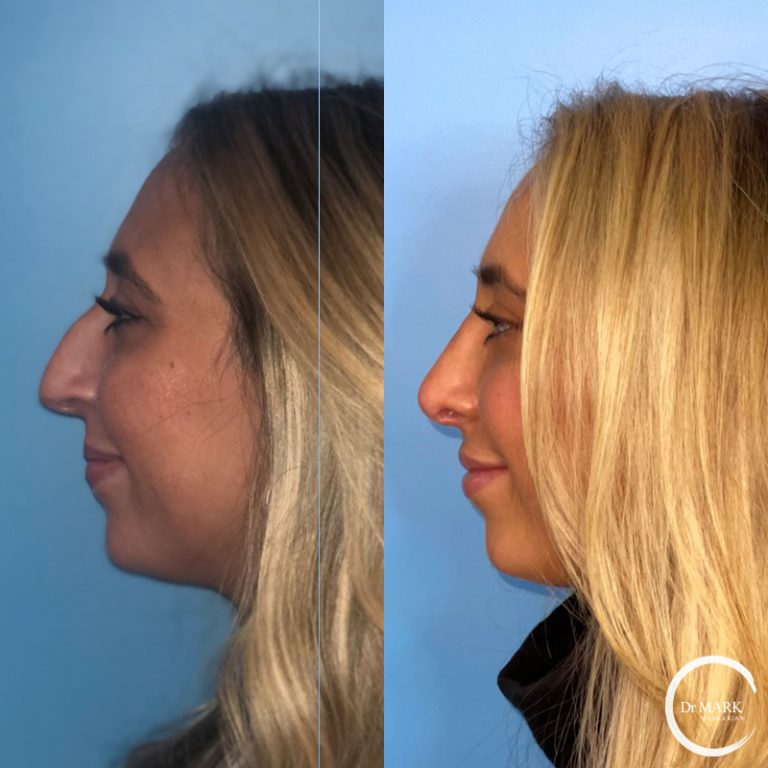
6 weeks after a Rhinoplasty and Septoplasty
18-24 year old woman
This patient underwent a Rhinoplasty procedure to reduce her dorsal hump and refine her nasal tip, in addition to a Septoplasty to improve her breathing. Significant cartilage grafting was performed to not only improve her breathing but also to help provide long-term stability and structure to the nose and maintain its appearance long term.
Approximately 85% of the swelling has gone down at this point, and the remainder may take up to a year.
Dr. Markarian’s overall goal is to create a customized yet natural result that maintains harmony and symmetry with the rest of the face.
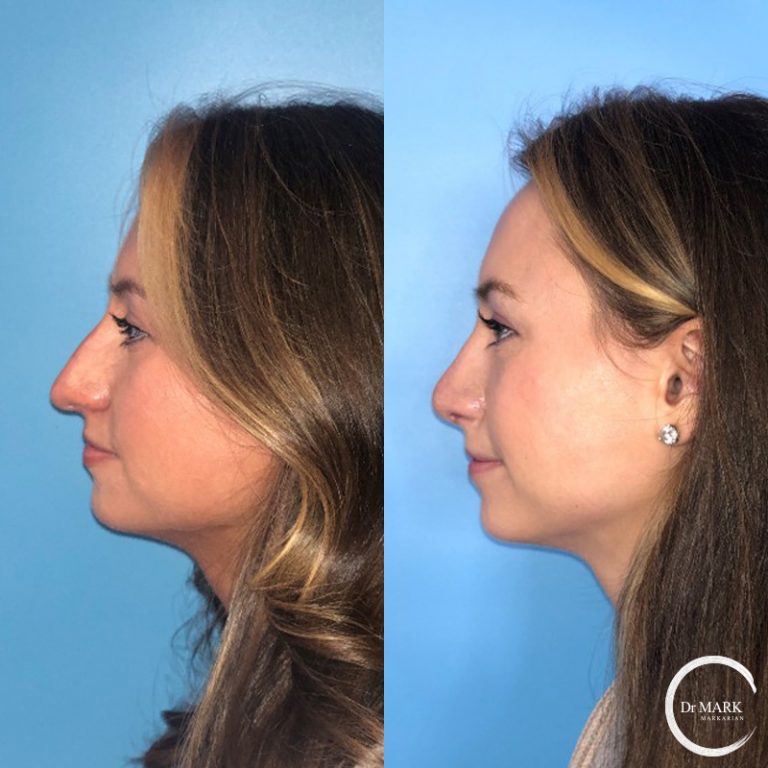
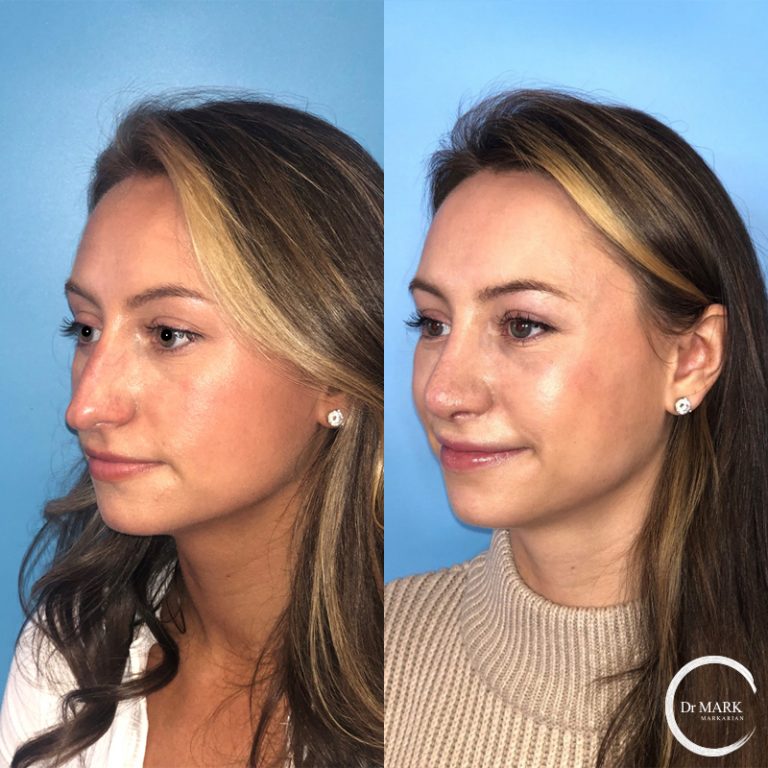
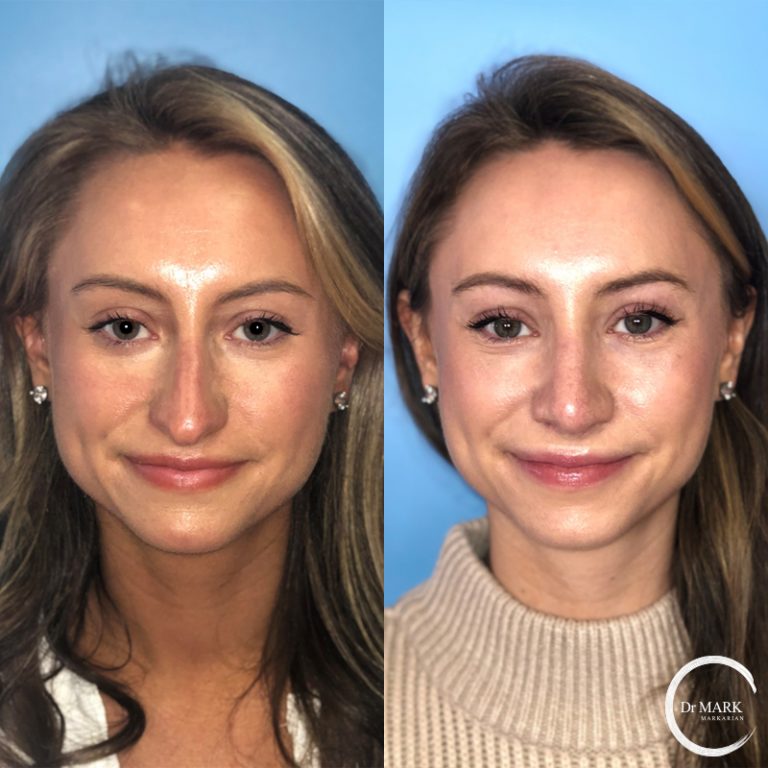
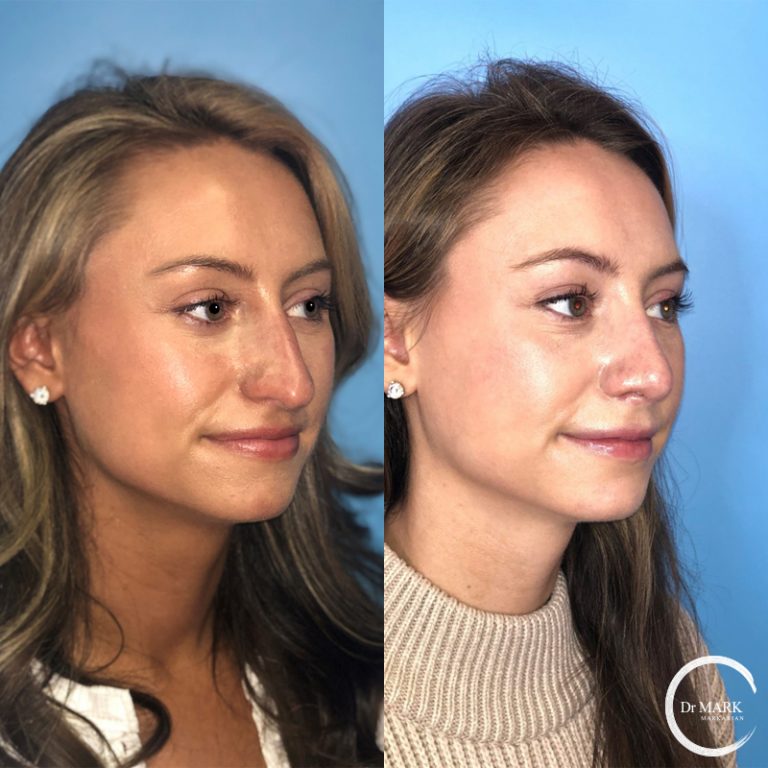
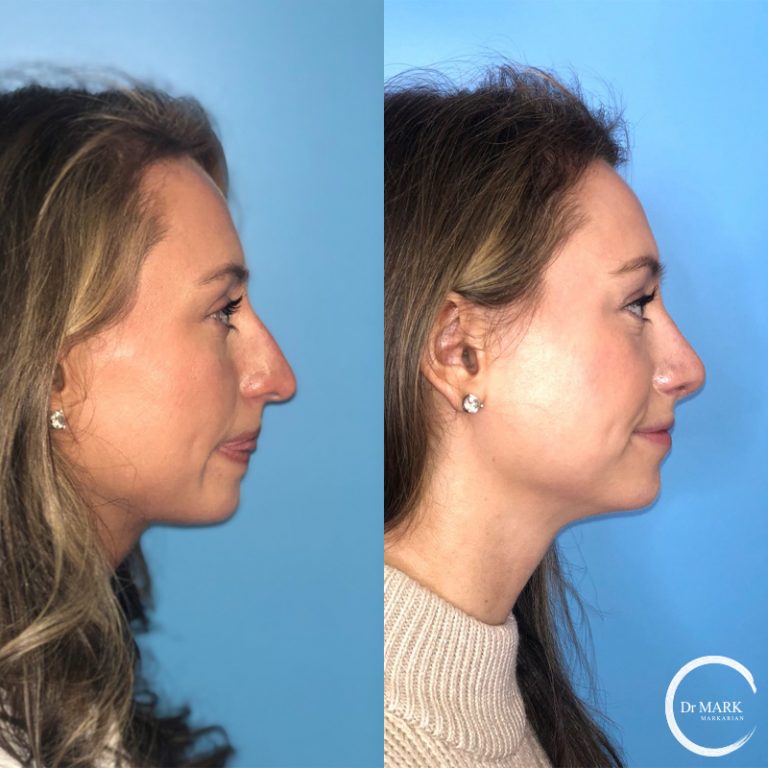
6 weeks after a Rhinoplasty and Septoplasty
18-24 year old woman
This patient underwent a Rhinoplasty procedure to reduce her dorsal hump and refine her nasal tip, in addition to a Septoplasty to improve her breathing. Significant cartilage grafting was performed to not only improve her breathing but also to help provide long-term stability and structure to the nose and maintain its appearance long term.
Approximately 85% of the swelling has gone down at this point, and the remainder may take up to a year.
Dr. Markarian’s overall goal is to create a customized yet natural result that maintains harmony and symmetry with the rest of the face.
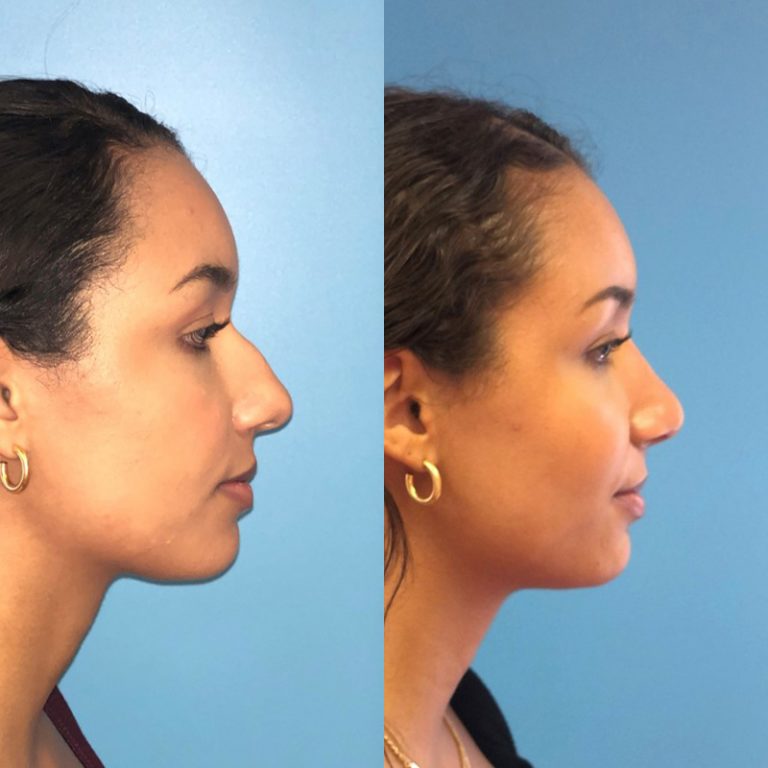

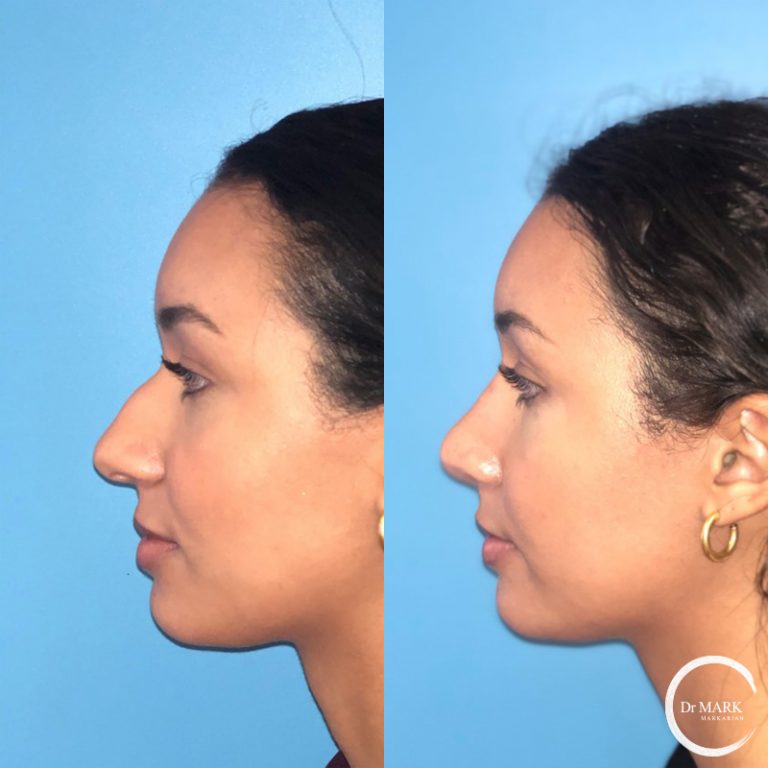
6 weeks after a Rhinoplasty and Septoplasty
18-24 year old man
This patient underwent a Rhinoplasty procedure to reduce her dorsal hump and refine her nasal tip, in addition to a Septoplasty to improve her breathing. Significant cartilage grafting was performed to not only improve her breathing but also to help provide long-term stability and structure to the nose and maintain its appearance long term.
Approximately 85% of the swelling has gone down at this point, and the remainder may take up to a year.
Dr. Markarian’s overall goal is to create a customized yet natural result that maintains harmony and symmetry with the rest of the face.
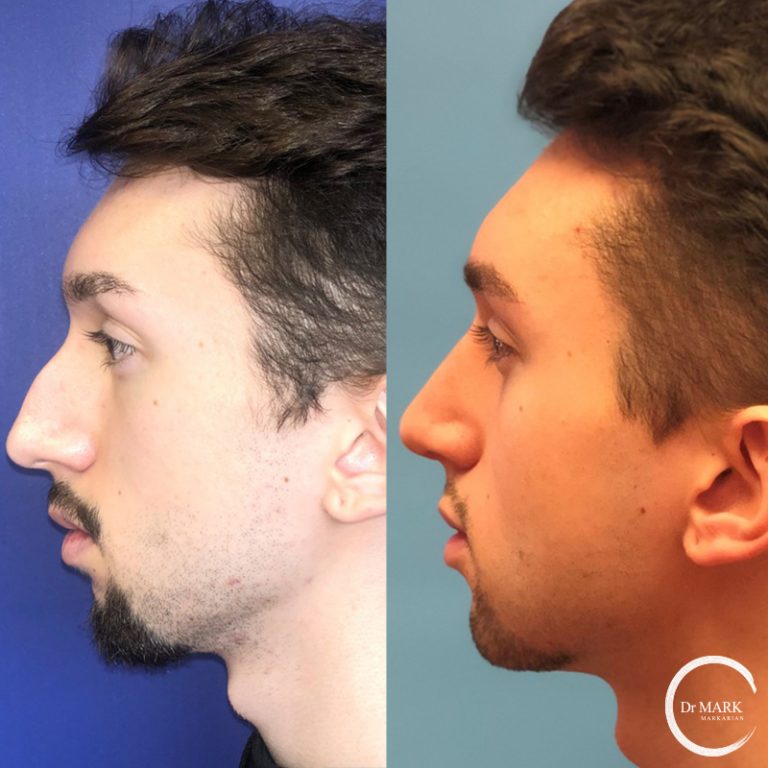
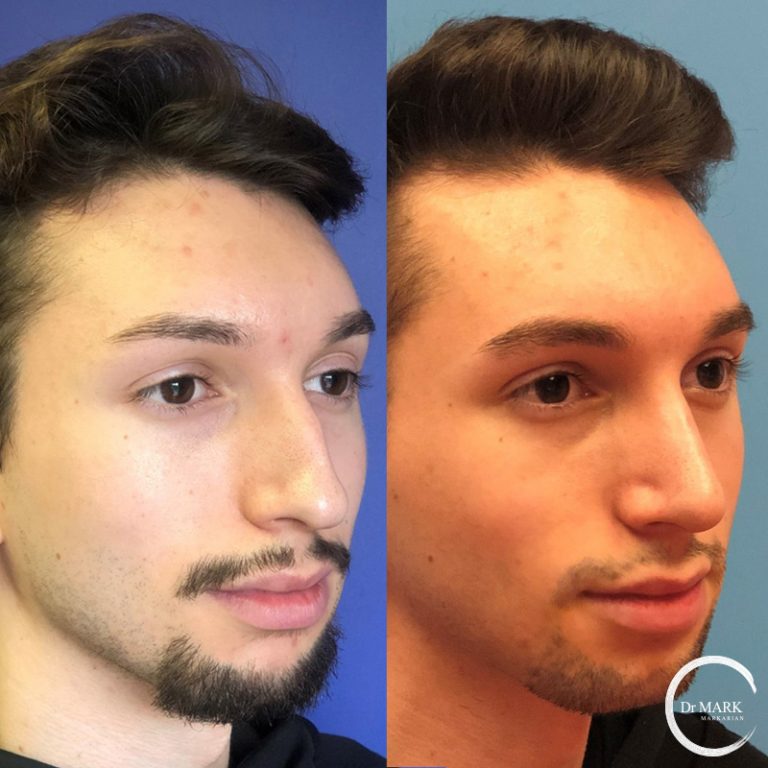
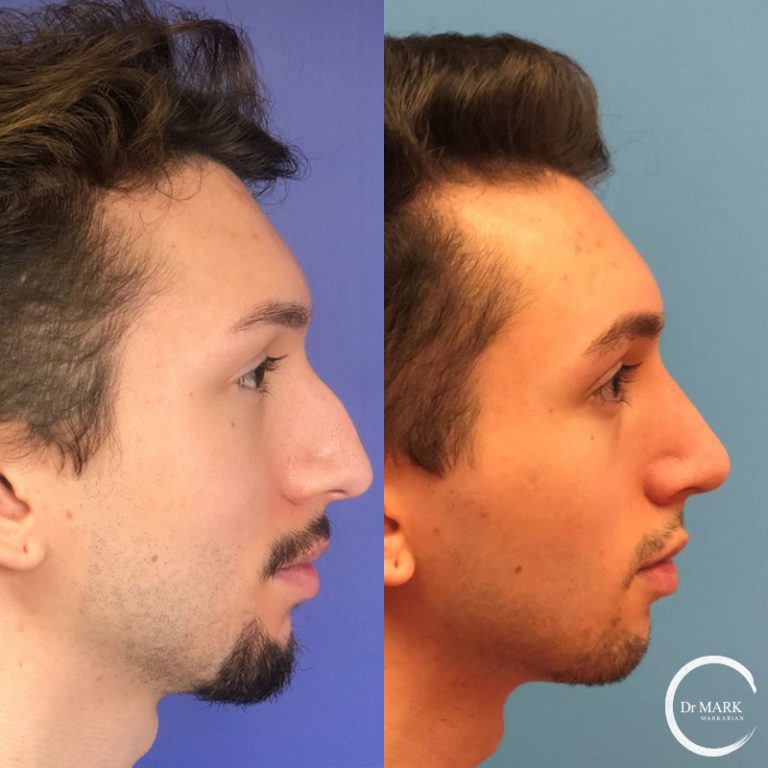
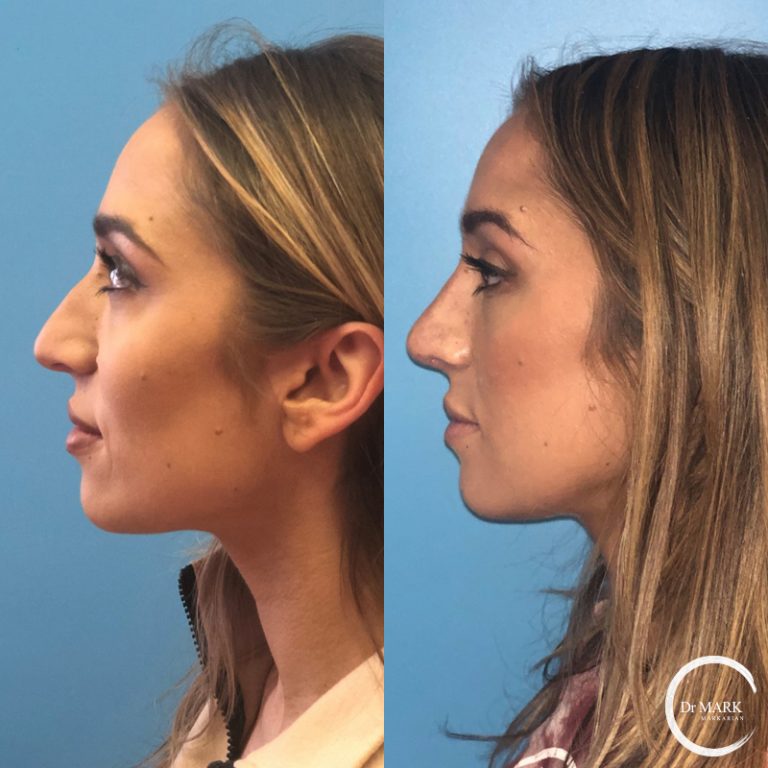
3 weeks after a Rhinoplasty and Septoplasty
25-34 year old woman
This patient underwent a Rhinoplasty procedure. She wanted a slight reduction in her dorsal hump and subtle nasal tip refinement. Significant cartilage grafting was performed to not only improve her breathing but to help provide long-term stability and structure to the nose and maintain its appearance long term.
Approximately 85% of the swelling has gone down at this point, and the remainder may take up to a year.
Dr. Markarian’s overall goal is to create a customized yet natural result that maintains harmony and symmetry with the rest of the face.

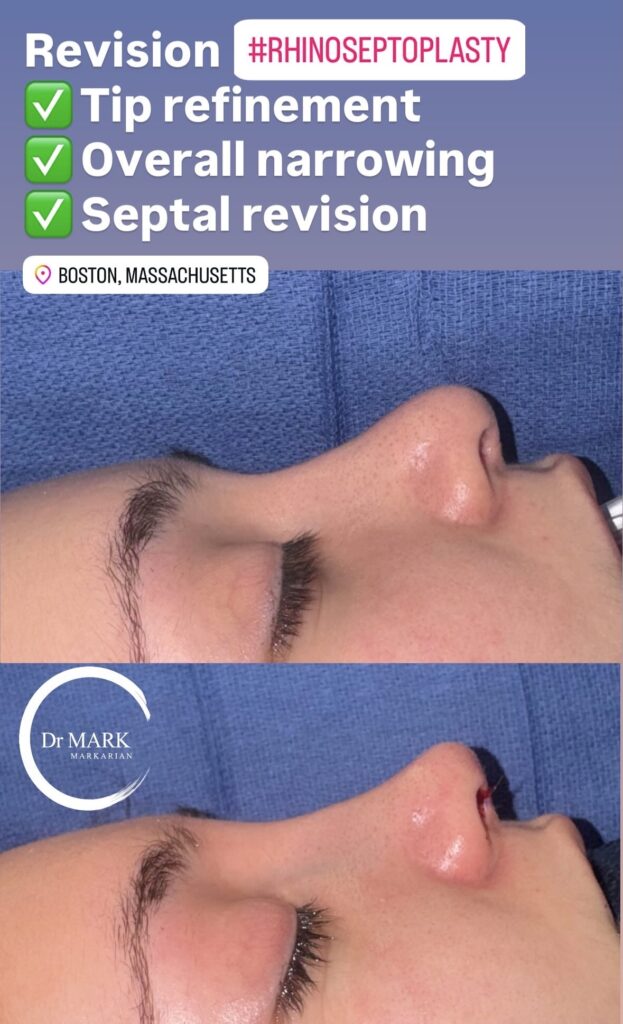
Immediately after a Revision Rhino-Septoplasty
This revision rhinoseptoplasty focused on enhancing nasal definition, improving symmetry, and restoring function following a previous procedure.
Tip refinement was performed to create a more refined and balanced appearance, while overall narrowing improved nasal contour and facial harmony.
A septal revision was also completed to address structural concerns and optimize airway support. The immediate post-operative result demonstrates a smoother, more streamlined nasal profile with improved structural stability and functional outcomes.
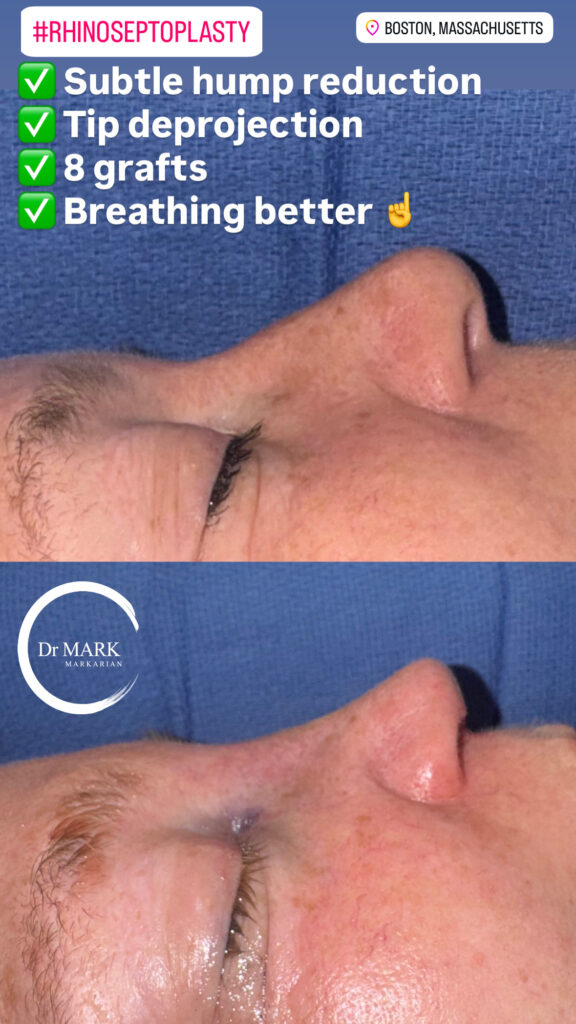
Immediately after a Rhino-Septoplasty
This rhinoseptoplasty procedure focused on subtle nasal refinement while improving airway function. A conservative hump reduction smoothed the nasal bridge, and tip deprojection reduced tip prominence to create a more balanced profile.
Multiple structural grafts were utilized to support the nasal framework, maintain long-term stability, and optimize both appearance and function.
Functional corrections were also performed to improve nasal airflow, resulting in a refined, natural-looking outcome with enhanced breathing support.
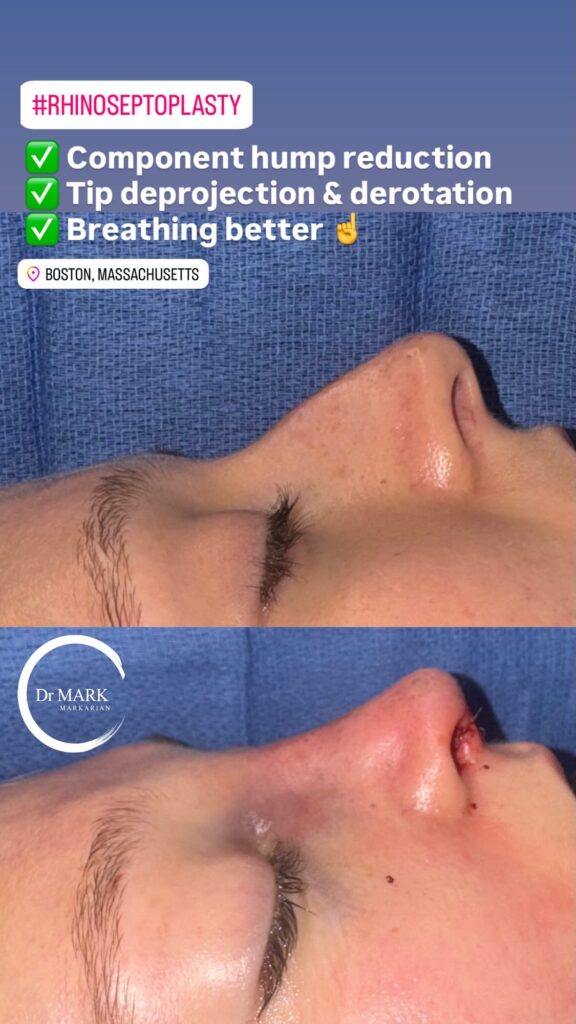
Immediately after a Rhino-Septoplasty
This rhinoseptoplasty procedure addressed both cosmetic concerns and nasal function. A component hump reduction technique was used to smooth the nasal bridge while preserving structural support and maintaining a natural appearance.
Tip deprojection and derotation refined the nasal tip, creating improved balance and proportion within the facial profile.
Functional corrections were also performed to enhance airflow and breathing. The immediate post-operative result demonstrates a softer, more harmonious nasal contour with improved structural stability and nasal function.
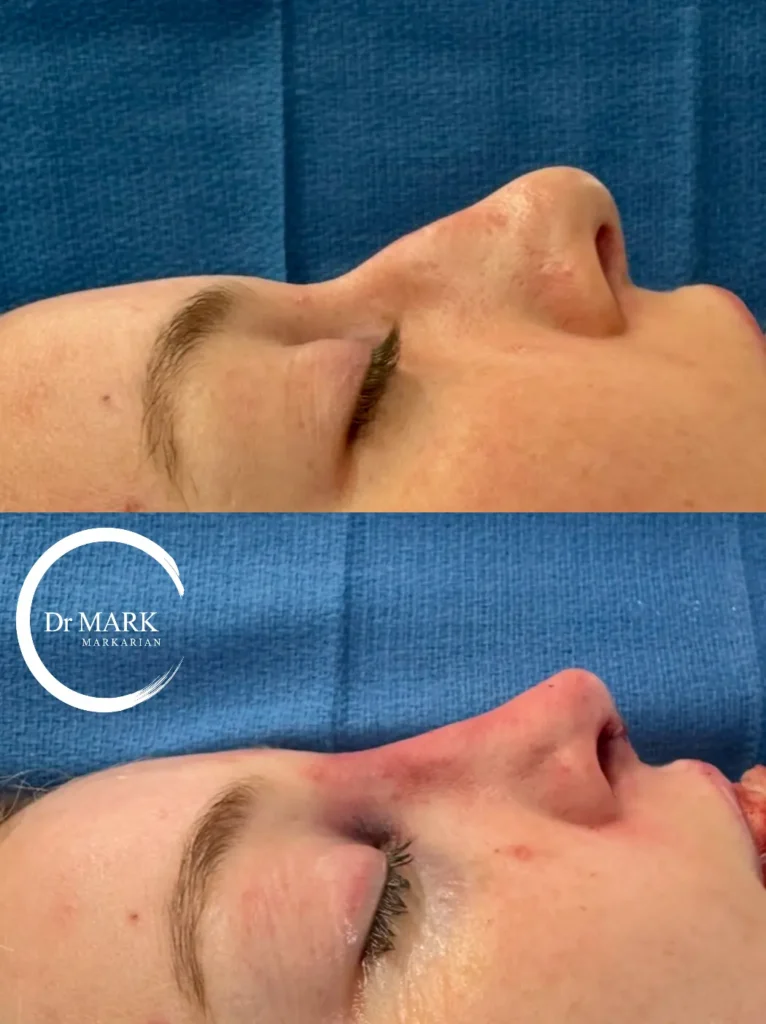
Immediately after a Revision Rhino-Septoplasty
This revision rhino-septoplasty focused on restoring both nasal aesthetics and function. The procedure included tip de-rotation and tip de-projection to create a more natural angle and softer profile, while tip lengthening improved overall nasal balance and support. Structural techniques were also used to enhance airflow and improve breathing.
The immediate post-operative result demonstrates a smoother, more proportionate nasal contour with strengthened support and improved functional stability.
Immediately after a Rhino-Septoplasty
This rhino-septoplasty procedure addressed both cosmetic refinement and nasal function. A subtle nasal hump reduction was performed to create a smoother profile, while tip deprojection, derotation, and lengthening improved the overall definition and balance. Also notice the decreased nostril show postoperatively. Multiple cartilage and soft tissue grafts were used to strengthen nasal support, enhance contour, and improve airway function.
The immediate post-operative result shows a more refined nasal shape with preserved natural proportions and improved structural support for better breathing and long-term stability.
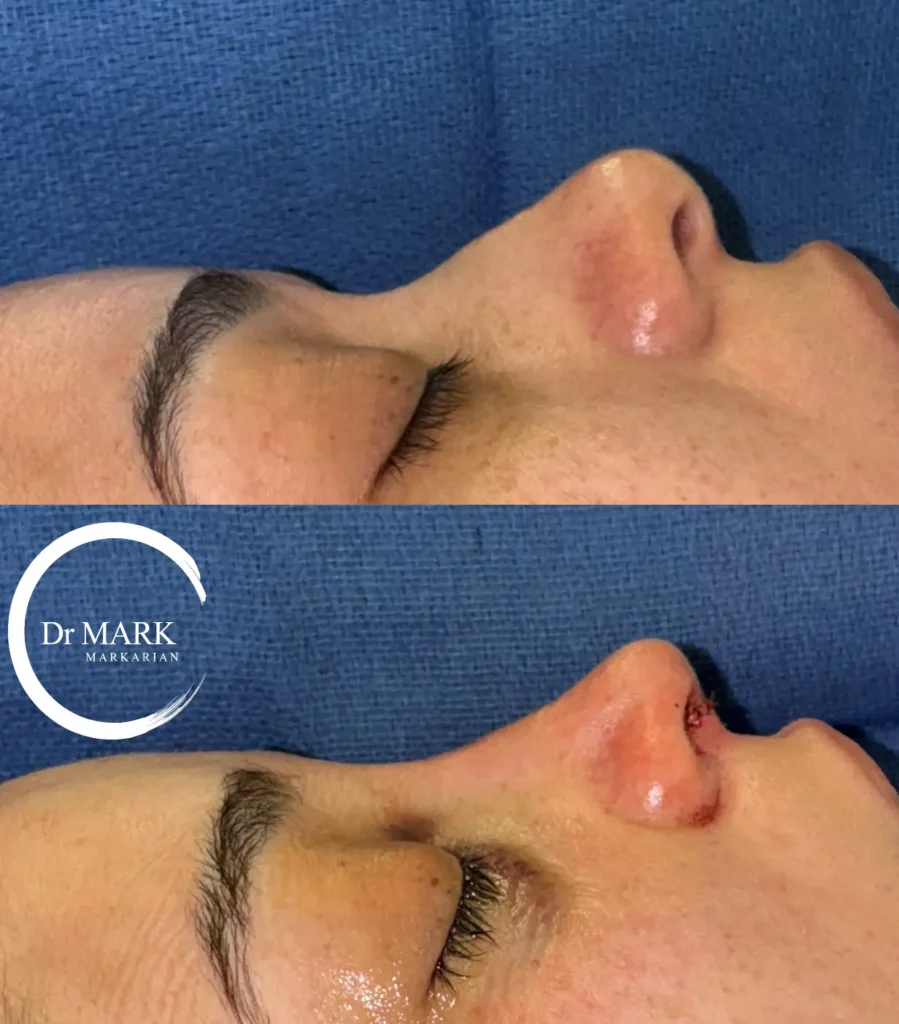
Immediately after a Rhino-Septoplasty
This rhino-septoplasty procedure addressed both cosmetic refinement and nasal function. The middle third of nasal profile was reduced and nasal tip was deprojected, derotated and lengthened. Nostril show was also decreased.
Multiple cartilage and soft tissue grafts were used to strengthen nasal support, enhance contour, and improve airway function. The immediate post-operative result shows a more refined nasal shape with preserved natural proportions and improved structural support for better breathing and long-term stability.
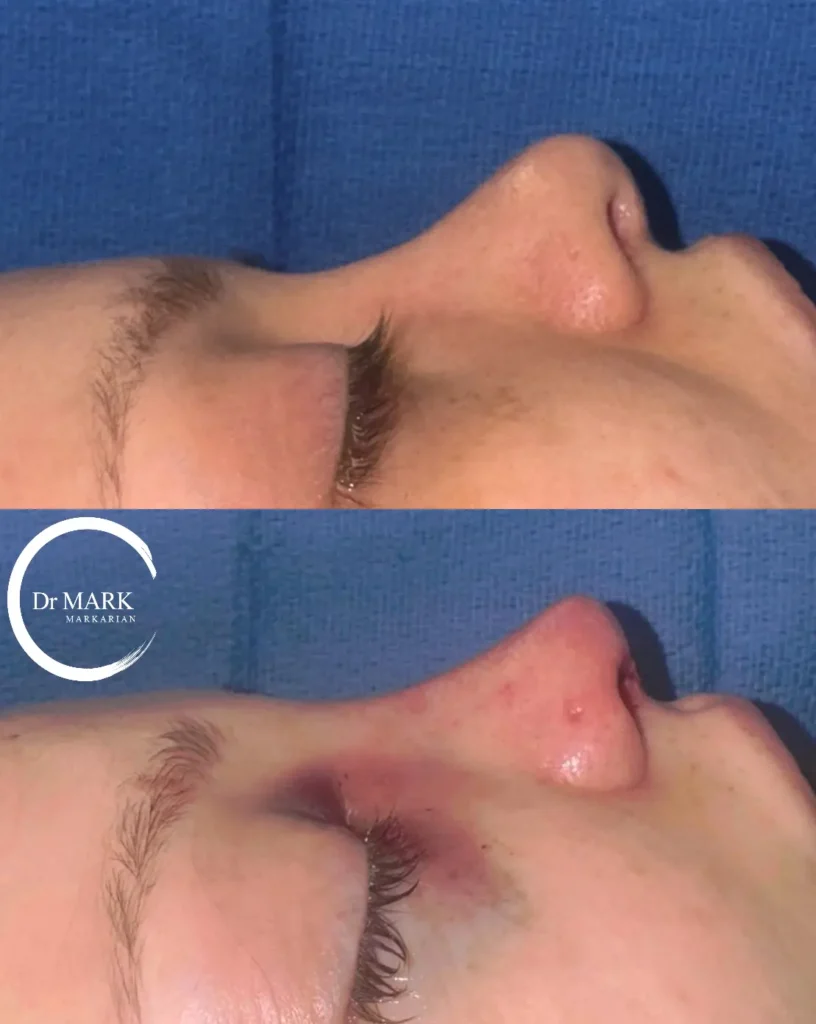
Immediately after a Revision Rhino-Septoplasty
This revision rhino-septoplasty procedure involved a subtle hump reduction, streamlined to the tip, where the middle third of the nose was reduced, the nasal tip was derotated, deprojected, and lengthened, and nostril show was also decreased. All this served to create a smooth, natural feminine contour.
Multiple cartilage and soft tissue grafts were used to strengthen nasal support, enhance contour, and improve airway function. The immediate post-operative result shows a more refined nasal shape with preserved natural proportions and improved structural support for better breathing and long-term stability.
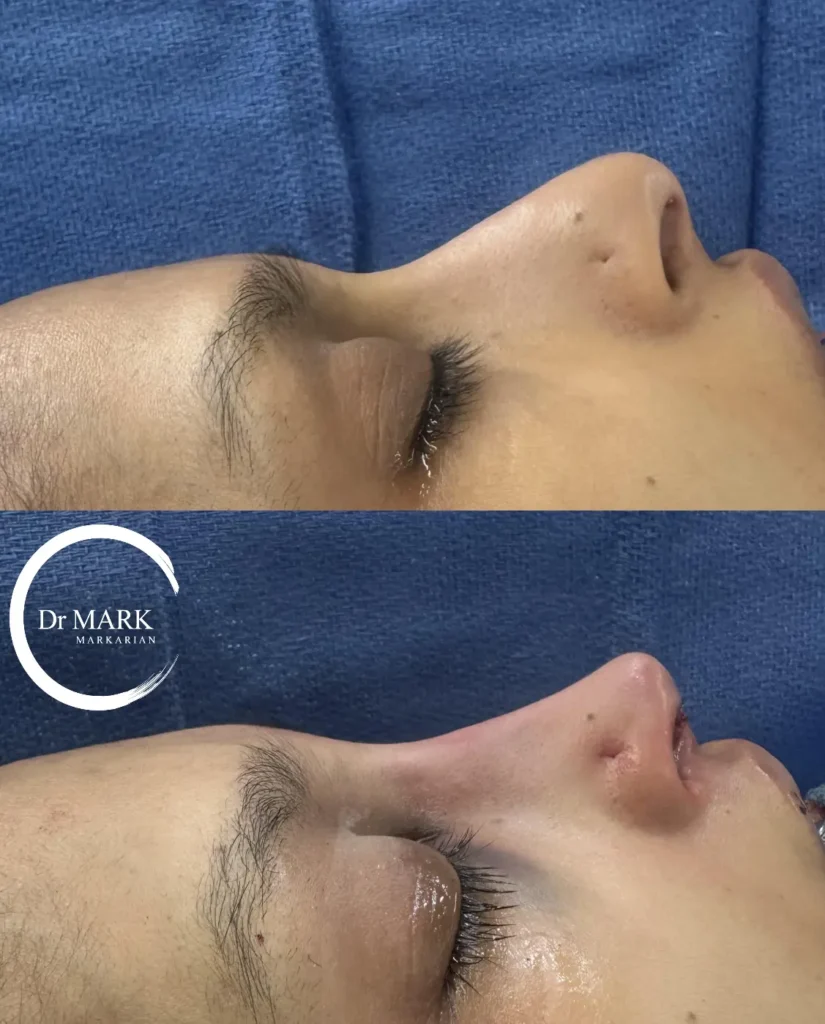
Immediately after a Rhino-Septoplasty
This rhino-septoplasty procedure addressed both cosmetic refinement and nasal function. A streamlined profile was created with a reduction of the subtle hump and middle third of the nose. Also, a number of changes were performed to the nasal tip, which included tip deprojection, derotation, and lengthening.
All these changes served to improve the overall nasal definition and balance. Multiple cartilage and soft tissue grafts were used to strengthen nasal support, enhance contour, and improve airway function. The immediate post-operative result shows a more refined nasal shape with preserved natural proportions and improved structural support for better breathing and long-term stability.
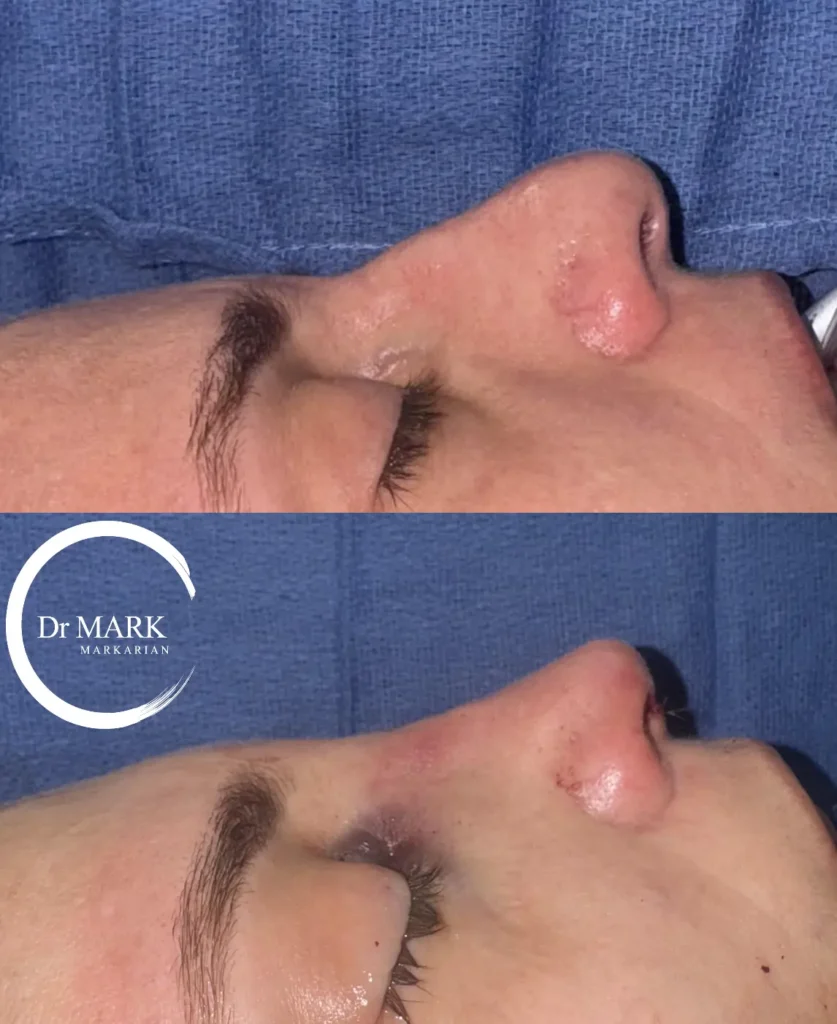
Immediately after a Revision Rhino-Septoplasty
This rhino-septoplasty procedure addressed both cosmetic refinement and nasal function. Cosmetic changes included a dorsal hump reduction, midvault reduction, nasal tip deprojection, and nasal tip rotation. Multiple cartilage grafts were used to strengthen nasal support and improve airway function.
The immediate post-operative result shows a more refined nasal shape with preserved natural proportions and improved structural support for better breathing and long-term stability.
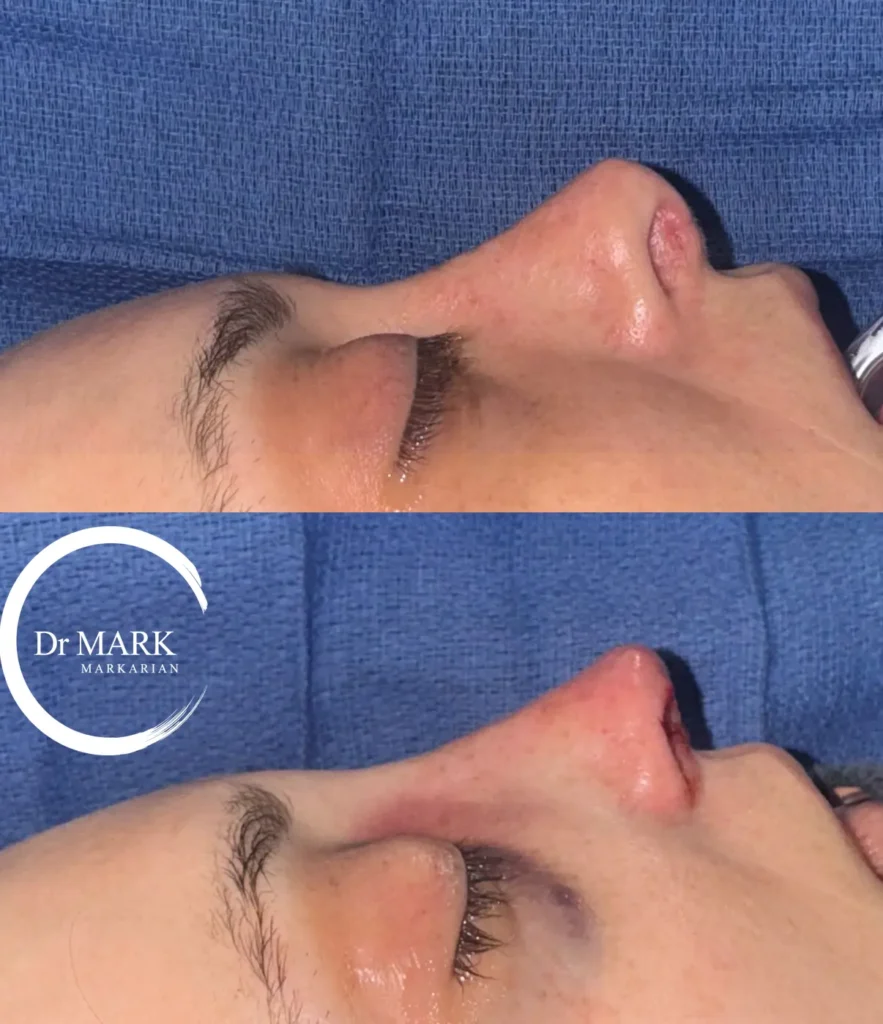
Immediately after a Rhino-Septoplasty
This rhino-septoplasty procedure focused on refining the nasal profile while improving overall nasal function. Hump reduction created a smoother bridge contour, while tip derotation and deprojection helped achieve a more balanced, natural-looking nasal shape.
Functional corrections were also performed to improve airflow and breathing support. The immediate post-operative result demonstrates enhanced facial harmony with preserved structural integrity and improved nasal breathing.
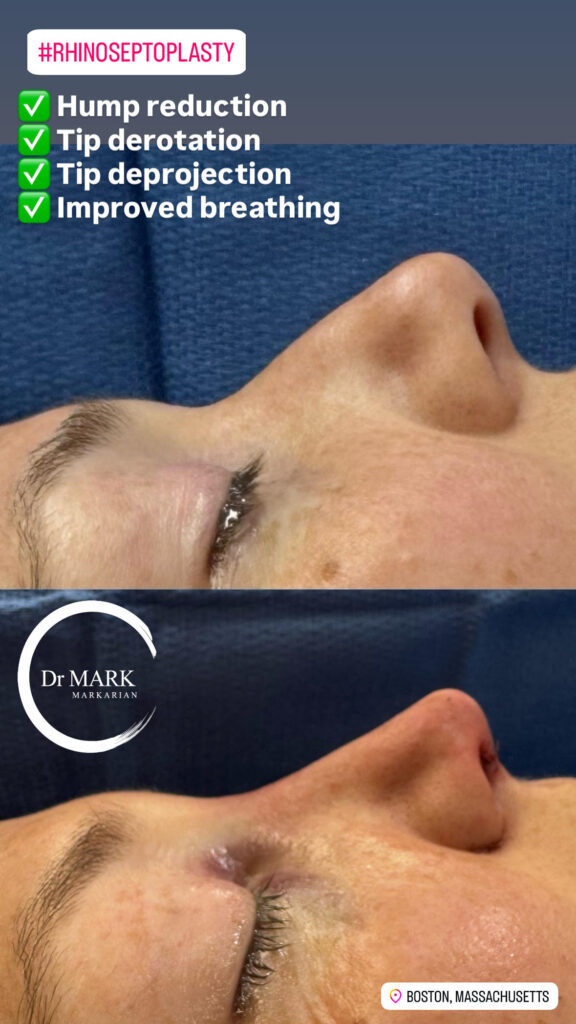
Immediately after a Rhino-Septoplasty
This rhino-septoplasty procedure focused on improving both nasal aesthetics and breathing function. Profile reduction softened the nasal bridge, while tip deprojection and rotation created a more balanced and natural nasal shape.
The procedure also reduced nostril show for improved facial harmony and refinement. Functional corrections were performed to enhance airflow and breathing support, resulting in a smoother profile with improved nasal balance and structure.
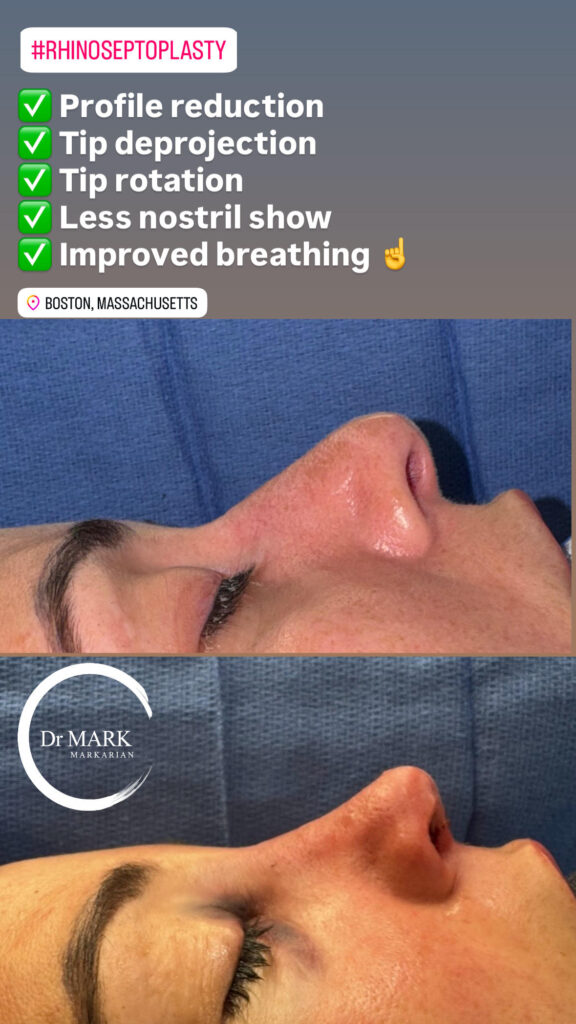
Immediately after a Rhino-Septoplasty
This rhino-septoplasty procedure focused on creating a softer, more balanced nasal profile while improving nasal function. Tip deprojection and refinement were performed to reduce prominence and enhance definition, while profile reduction helped smooth the nasal bridge for a more natural contour. Functional corrections were also made to improve airflow and breathing. The immediate post-operative result demonstrates improved facial harmony with maintained structural support and enhanced nasal function.
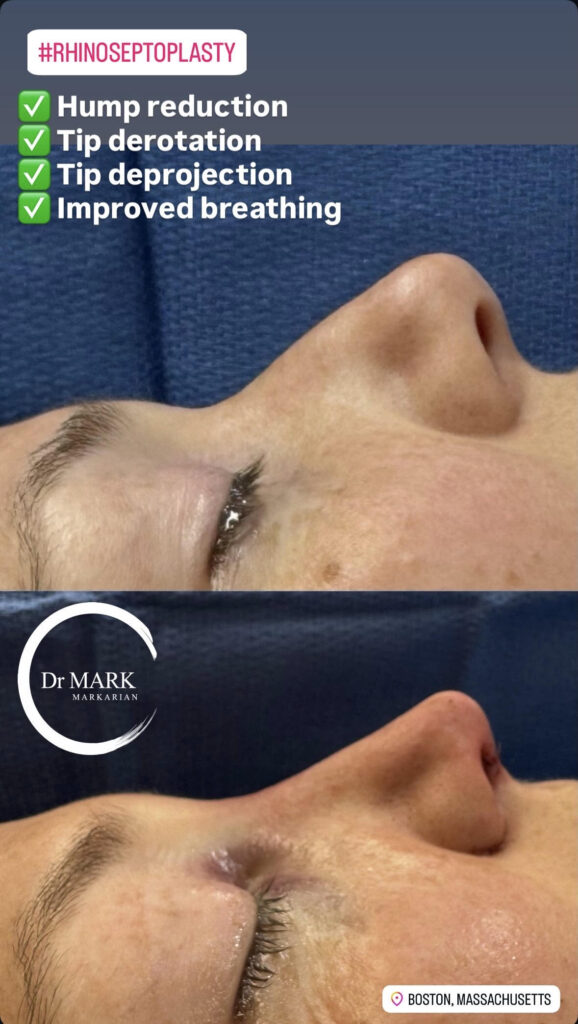
Immediately after a Rhino-Septoplasty
This revision rhino-septoplasty focused on refining the nasal profile while preserving a strong, natural, masculine appearance. Profile reduction smoothed the nasal bridge, and tip refinement enhanced definition and balance without over-rotation.
Functional corrections were also performed to improve airflow and breathing support. The immediate post-operative result demonstrates improved facial harmony with a natural contour and stronger nasal function.
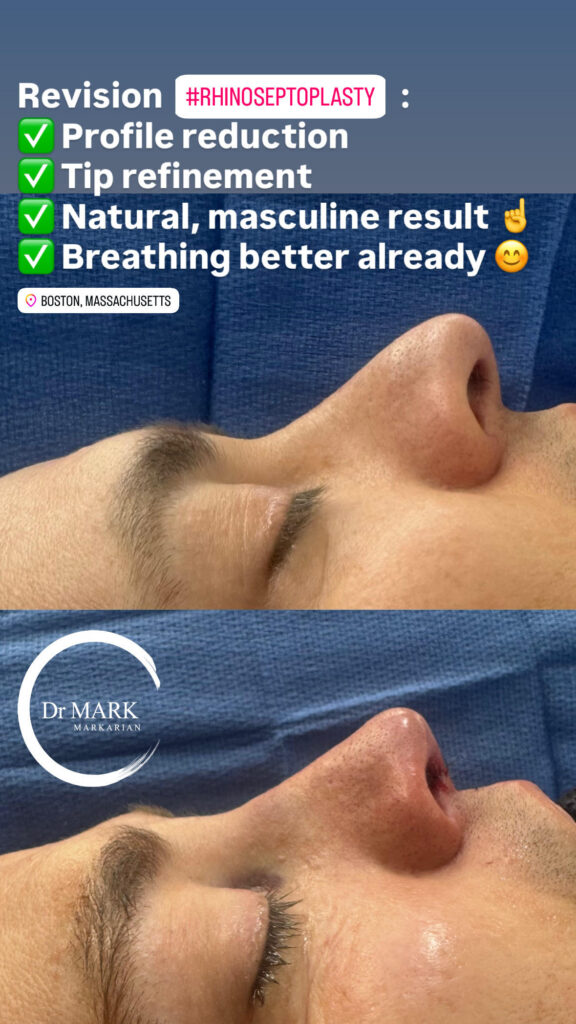
Immediately after a Rhino-Septoplasty
This revision rhino-septoplasty focused on restoring both nasal aesthetics and function. The procedure included tip de-rotation and tip de-projection to create a more natural angle and softer profile, while tip lengthening improved overall nasal balance and support.
Structural techniques were also used to enhance airflow and improve breathing. The immediate post-operative result demonstrates a smoother, more proportionate nasal contour with strengthened support and improved functional stability.
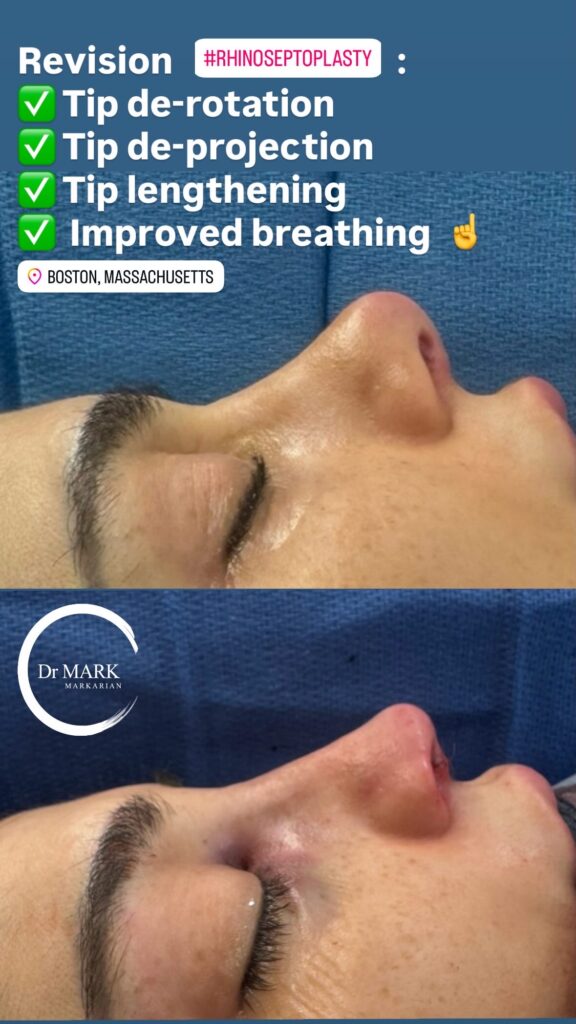
Immediately after a Rhino-Septoplasty
This rhino-septoplasty procedure focused on enhancing both nasal appearance and function. The dorsal hump was reduced to create a smoother, more balanced profile, while tip refinement improved nasal definition and symmetry.
Multiple structural maneuvers were also performed to support the airway and improve breathing. The immediate post-operative result demonstrates a refined nasal contour with preserved natural proportions and improved functional support.
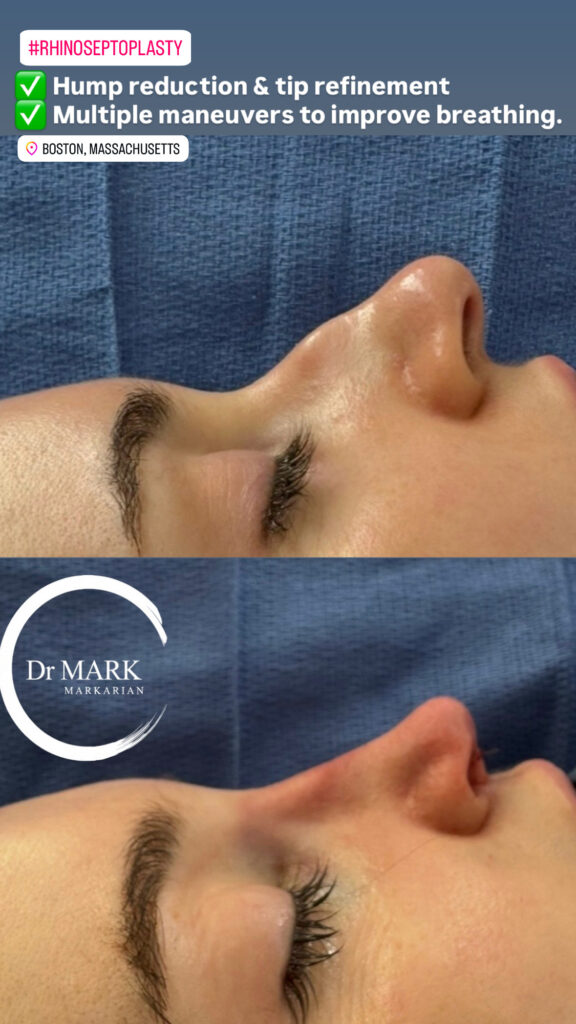
Immediately after a Rhino-Septoplasty
This rhino-septoplasty procedure combined cosmetic refinement with functional nasal improvement. The dorsal hump was reduced to create a smoother profile, while tip deprojection helped achieve a softer, more balanced nasal appearance.
Multiple structural grafts were placed to support the nose, improve contour, and maintain long-term stability. The procedure also addressed breathing concerns, helping enhance nasal airflow while preserving natural facial harmony.
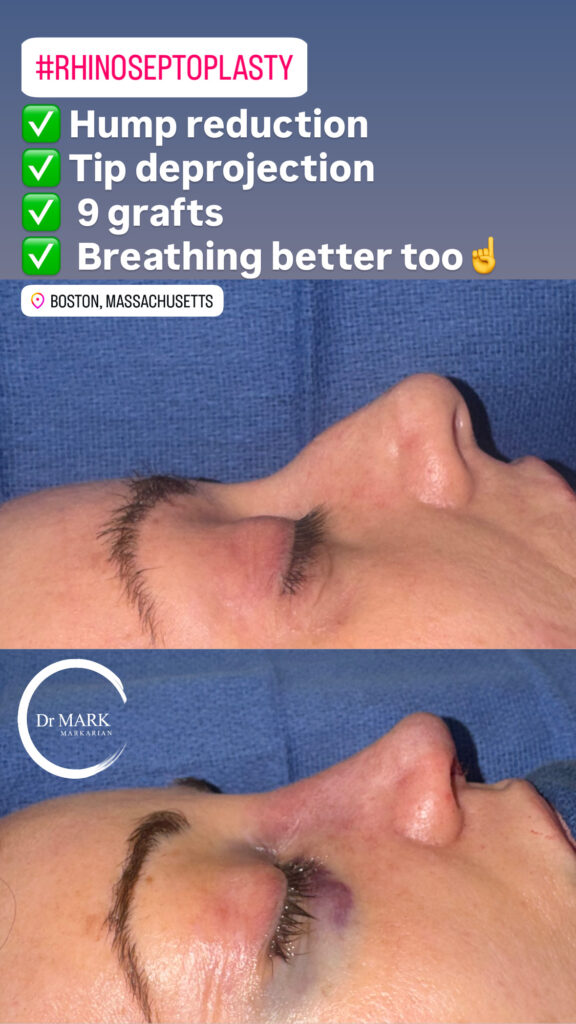
Immediately after a Rhino-Septoplasty
This rhino-septoplasty procedure addressed both cosmetic refinement and nasal function. The nasal hump was reduced to create a smoother profile, while tip refinement improved overall definition and balance.
Multiple cartilage and soft tissue grafts were used to strengthen nasal support, enhance contour, and improve airway function. The immediate post-operative result shows a more refined nasal shape with preserved natural proportions and improved structural support for better breathing and long-term stability.
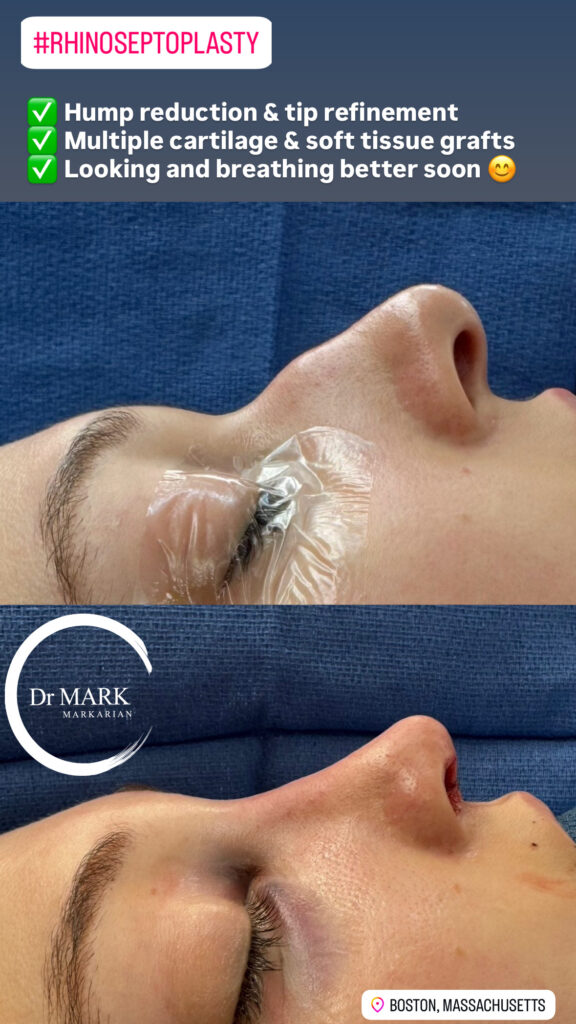
Immediately after a Septoplasty
Shown immediately after Rhinoplasty, this patient underwent profile reduction and tip refinement.
Multiple cartilage and soft tissue grafts were used, providing long-term structural support and maintaining the nose’s appearance.
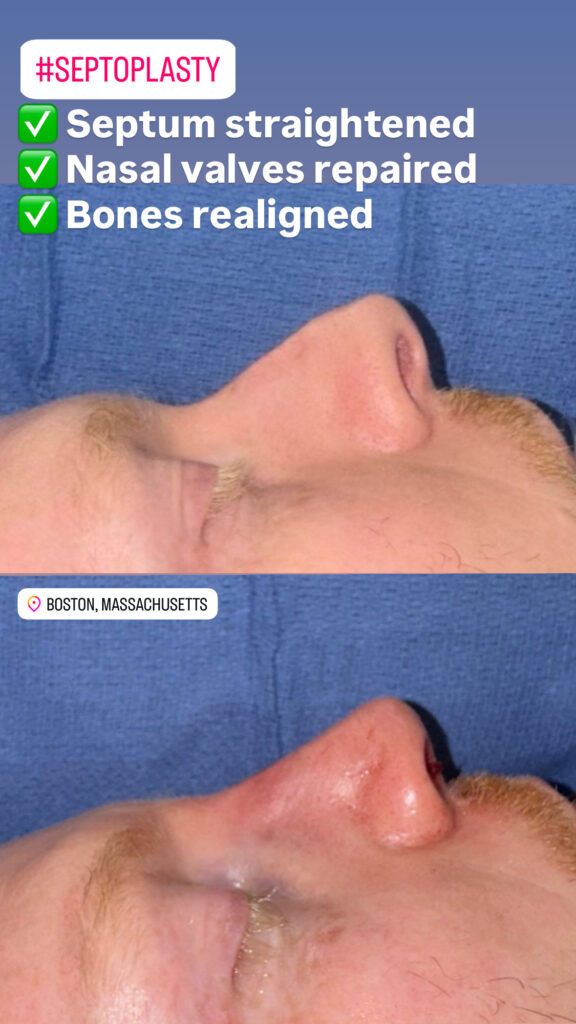
Immediately after a Septoplasty
This septoplasty procedure focused on improving both nasal breathing and structural alignment. The deviated septum was straightened to restore proper airflow, weakened nasal valves were repaired to improve breathing support, and the nasal bones were carefully realigned for better symmetry and function.
The post-procedure image demonstrates a straighter nasal profile with improved structural balance while maintaining a natural appearance.
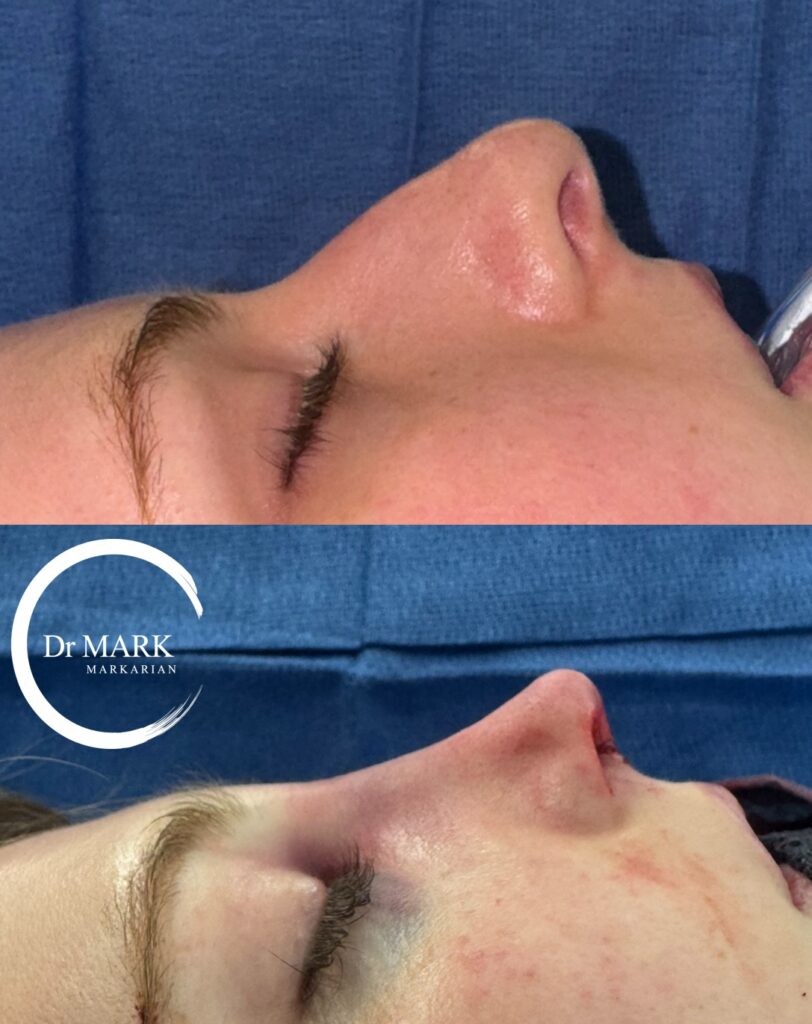
Immediately after a Revision Rhinoplasty & Septoplasty
This patient is shown immediately after a Revision Rhinoplasty to improve her breathing, further reduce her hump, and refine asymmetries and projection issues in her tip.
Fascia grafts were used to not only improve her breathing, but to help provide long-term stability and structure to the nose, and maintain its appearance long-term.

Immediately after a Revision Rhinoplasty and Septoplasty
Immediate postoperative results are shown in this gentleman who underwent a complex Revision Rhinoplasty-Septoplasty.
He had a subtle hump, a significantly widened and crooked nose, a bulbous tip, and breathing difficulty with a deviated septum that were all corrected. MTF (cadaver) cartilage was utilized for multiple cartilage grafts to reinforce the changes made to preserve long-term results. Soft tissue grafting to the tip was also performed to optimize an overall tip-defining point and natural result.
Though there’s significant swelling, please note the overall improvement in nose contour and definition at the tip.

Immediately after a Rhinoplasty and Septoplasty
18-24 year old woman
This patient is shown immediately after after a Rhinoplasty to reduce her dorsal hump and refine her nasal tip. A septoplasty was also performed to improve her breathing.
Significant cartilage grafting was performed to not only improve her breathing but to help provide long-term stability and structure to the nose, and maintain its appearance long term.

Immediately after a Septorhinoplasty
Key maneuvers:
- Septoplasty with spreader grafts
- Component hump reduction
- Tip de-projection
- Mastoid fascia tip graft
- Lateral crural strut graft
- Alar contour grafts
