Non-surgical rhinoplasty uses injectable dermal fillers to temporarily smooth bumps, lift a drooping tip, or improve nasal symmetry without incisions, anesthesia, or downtime — results typically last 6 to 18 months and cost significantly less than surgical rhinoplasty, but the technique cannot reduce the size of the nose or fix breathing problems the way surgery can. For people who want a subtle refinement without committing to an operating room, this “liquid nose job” has become one of the most requested minimally invasive facial treatments in the country. Understanding exactly what it can and cannot do is the key to deciding whether it’s the right option for you.
What Is Non-Surgical Rhinoplasty?
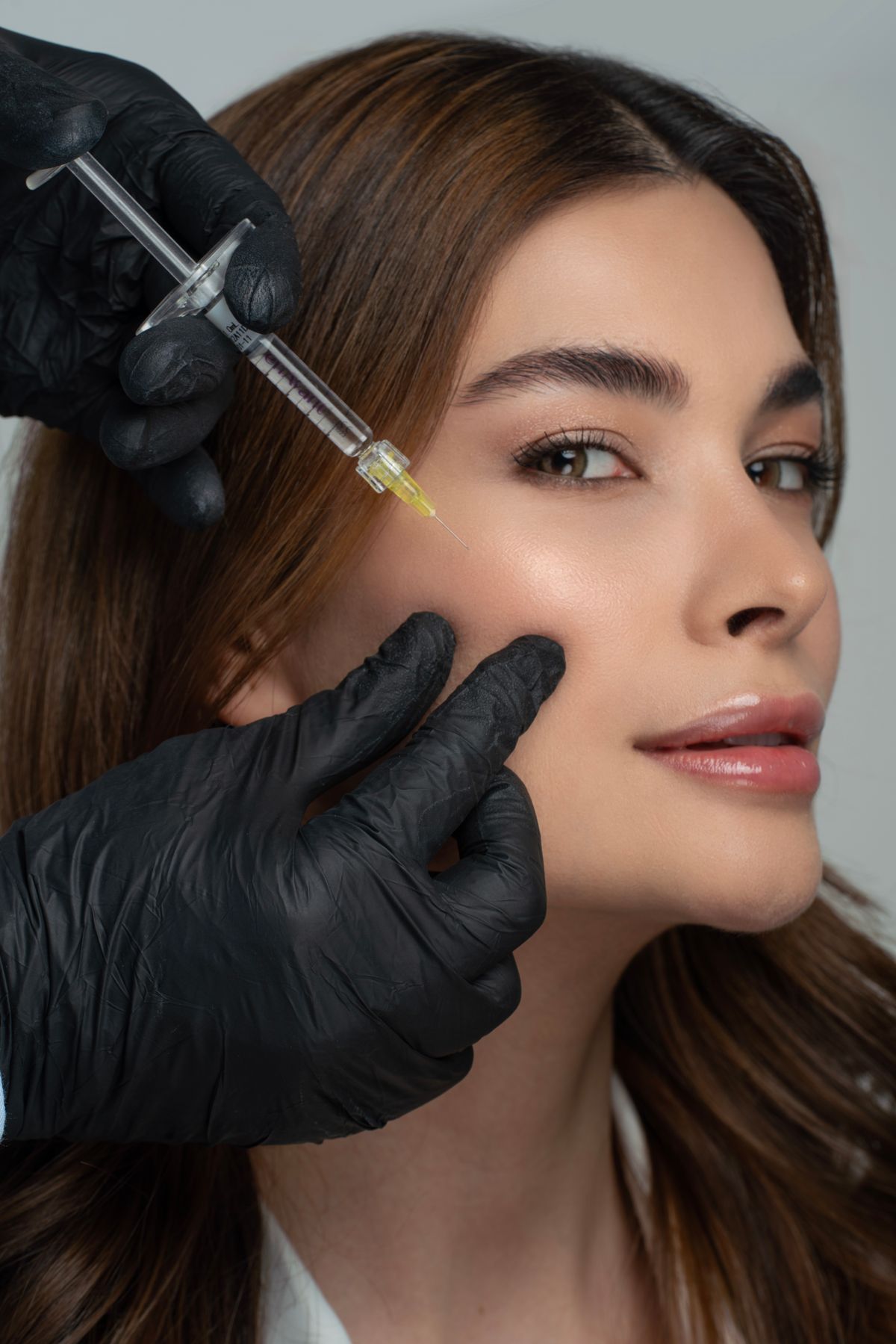
Non-surgical rhinoplasty, sometimes called a “liquid nose job” or “15-minute nose job,” is a cosmetic procedure that uses injectable dermal fillers — most commonly hyaluronic acid-based products — to reshape the external appearance of the nose. Rather than cutting or restructuring cartilage and bone, an injector strategically places filler to camouflage irregularities, add volume where it’s missing, or create the illusion of a straighter, more balanced profile.
The treatment is performed in an office setting, usually with a topical numbing cream, and takes well under an hour from start to finish. There’s no general anesthesia, no surgical incisions, and in most cases patients return to normal activities the same day.
What Non-Surgical Rhinoplasty Can Address
Because filler can only add volume — it cannot remove tissue — non-surgical rhinoplasty works best for specific, targeted concerns rather than a full nasal transformation. Good candidates for this approach often want to correct:
- A small dorsal hump or bump on the bridge, camouflaged by adding filler above and below it to create a straighter-looking line
- A slightly asymmetrical or crooked nose, balanced by filling in the lower-volume side
- A drooping or under-projected nasal tip, lifted subtly with strategic filler placement
- Indentations or contour irregularities left over from a previous rhinoplasty
- An overall lack of definition along the bridge
Because the effect relies entirely on adding volume, non-surgical rhinoplasty is not able to make a wide or large nose appear smaller, straighten a significantly deviated septum, or correct functional breathing issues. Patients with those concerns are typically better served by surgical rhinoplasty.
How the Procedure Works
During a non-surgical rhinoplasty appointment, the process generally follows these steps:
- Consultation and assessment: The injector examines the nose, discusses goals, and confirms that filler is an appropriate option for the concern.
- Numbing: A topical anesthetic cream is applied to minimize discomfort during injections.
- Injection: Small amounts of filler are placed at precise points along the bridge, tip, or sides of the nose using a fine needle or cannula.
- Shaping: The injector massages and molds the filler to achieve a smooth, natural-looking contour.
- Final review: The result is assessed from multiple angles, and small adjustments may be made before the appointment ends.
Most patients see the final result immediately, with any minor swelling resolving within a few days.
Benefits of Choosing a Non-Surgical Option
The appeal of non-surgical rhinoplasty comes down to a few clear advantages over traditional surgery:
- No downtime: Most people return to work or normal routines the same day.
- No general anesthesia: The procedure is done with topical or local numbing only.
- Lower upfront cost: A single treatment session is typically far less expensive than surgical rhinoplasty.
- Reversible in some cases: Certain hyaluronic acid fillers can be dissolved if the patient is unhappy with the result.
- A way to “test drive” a change: Some patients use filler to preview a subtle profile change before deciding whether to pursue permanent surgical correction.
Limitations and Risks to Understand
Non-surgical rhinoplasty is not without trade-offs, and being realistic about them matters as much as understanding the benefits:
- Temporary results: Filler is gradually absorbed by the body, so the effect fades over time and touch-up treatments are needed to maintain it.
- No size reduction: Filler adds volume, so it cannot make the nose smaller or narrower.
- No functional correction: Breathing problems related to structural issues, such as a deviated septum, are not improved by filler.
- Rare but serious risks: Because the nose has a delicate blood supply, improper injection technique carries a rare but serious risk of vascular complications, which is why choosing an experienced, qualified injector is essential.
- Not a substitute for revision surgery in most cases: Significant structural problems from a prior rhinoplasty usually still require surgical revision.
How Long Do Results Last?
Most hyaluronic acid fillers used for nonsurgical rhinoplasty last approximately 6 to 18 months, depending on the specific product used and how quickly an individual’s body metabolizes it. Areas with more movement, like the tip, may see filler break down slightly faster than the bridge. Many patients choose to repeat treatment once or twice a year to maintain their result.
Is Non-Surgical Rhinoplasty Right for You?
The best way to determine whether a non-surgical approach fits your goals is a thorough consultation with a qualified provider who can evaluate your nasal anatomy and be candid about what filler can and cannot achieve. Patients who want a permanent change, a smaller-looking nose, or correction of a breathing problem are generally better candidates for surgical rhinoplasty, while those seeking a subtle, temporary refinement of a specific area may be excellent candidates for the non-surgical approach.
Frequently Asked Questions
Is non-surgical rhinoplasty permanent?
No. Non-surgical rhinoplasty uses temporary dermal fillers that are gradually absorbed by the body, with results typically lasting 6 to 18 months before a touch-up is needed.
Does non-surgical rhinoplasty hurt?
Most patients experience only mild discomfort during injections, which is minimized with a topical numbing cream applied before treatment.
Can filler fix a crooked nose?
Filler can improve the appearance of mild asymmetry by adding volume to the less-full side, but it cannot correct significant structural deviation the way surgery can.
How much downtime is there after non-surgical rhinoplasty?
There is typically little to no downtime, and most patients resume normal activities the same day, though mild swelling or bruising can occur for a few days.
Who is not a good candidate for non-surgical rhinoplasty?
Patients seeking a smaller nose, permanent results, or correction of a breathing problem such as a deviated septum are generally better suited to surgical rhinoplasty.
Talk to a Board-Certified Specialist About Your Options
Dr. Mark K. Markarian, MD, MSPH, FACS, is a Harvard-trained, board-certified plastic surgeon based in Wellesley, MA, with a focus on rhinoplasty (including ethnic rhinoplasty), facelifts, and breast/body surgery. Whether a subtle filler refinement or surgical rhinoplasty is the better fit for your goals, a personalized consultation is the best next step. Explore the Rhinoplasty Knowledge Center to learn more, or book a virtual consultation to discuss which approach is right for you.
This article is for general educational purposes only and is not a substitute for personalized medical advice. Individual results vary; please consult a board-certified plastic surgeon to discuss your specific candidacy and goals.