

Comprehensive Guide to Rhinoplasty Tip Surgery: Techniques, Recovery, and Results
Rhinoplasty tip surgery, often referred to as nasal tip rhinoplasty, is a specialized procedure aimed at enhancing the appearance and functionality of the nasal tip. This surgery can significantly improve facial harmony and boost self-confidence for many individuals. In this comprehensive guide, we will explore the various techniques involved in nasal tip rhinoplasty, the recovery process, potential risks, and expected outcomes. Understanding these aspects is crucial for anyone considering this procedure, as it addresses common concerns and provides insights into what to expect before and after surgery. We will also discuss the importance of proper aftercare and the factors influencing recovery timelines.
What Is Nasal Tip Rhinoplasty and How Does It Work?
Nasal tip rhinoplasty is a surgical procedure designed to reshape and refine the nasal tip, enhancing its aesthetic appeal and functionality. This surgery typically involves modifying the cartilage and skin of the nasal tip to achieve the desired contour and projection. The primary benefit of this procedure is the ability to create a more balanced and proportionate facial appearance, which can lead to increased self-esteem and satisfaction with one’s appearance.
What are the key nasal tip anatomy components involved in surgery?
The key anatomical components involved in nasal tip rhinoplasty include the nasal tip cartilage, skin, and underlying structures. The nasal tip is primarily supported by the lower lateral cartilages, which can be reshaped or repositioned during surgery. Understanding these components is essential for surgeons to achieve optimal results, as they directly influence the final appearance of the nose.
A thorough understanding of the complex, three-dimensional structural anatomy of the nasal tip is a prerequisite for successful restructuring, as altering one component often impacts others.
Essential Nasal Tip Anatomy for Rhinoplasty
A thorough understanding of nasal tip anatomy is a prerequisite to understanding the nuances of restructuring the nasal tip. The three-dimensional structural anatomy of the nasal tip is complex. Additionally, the interrelationship between these structures determines the ultimate form and function of the nasal tip. As a result, alteration of one structure in the tip will often lead to change in other portions of the nasal tip.
Normal and variant anatomy of the nasal tip, 2012
How do different surgical techniques reshape the nasal tip?
Different surgical techniques, such as open and closed rhinoplasty, are employed to reshape the nasal tip. Open rhinoplasty involves making an external incision, allowing for greater visibility and precision during the procedure. In contrast, closed rhinoplasty utilizes internal incisions, resulting in minimal scarring. Each technique has its advantages and is chosen based on the specific needs of the patient and the complexity of the desired changes.
Which Surgical Techniques Are Used for Rhinoplasty Tip Refinement?
Several surgical techniques are utilized for rhinoplasty tip refinement, each offering unique benefits and considerations.
What distinguishes open, closed, and tip plasty methods?
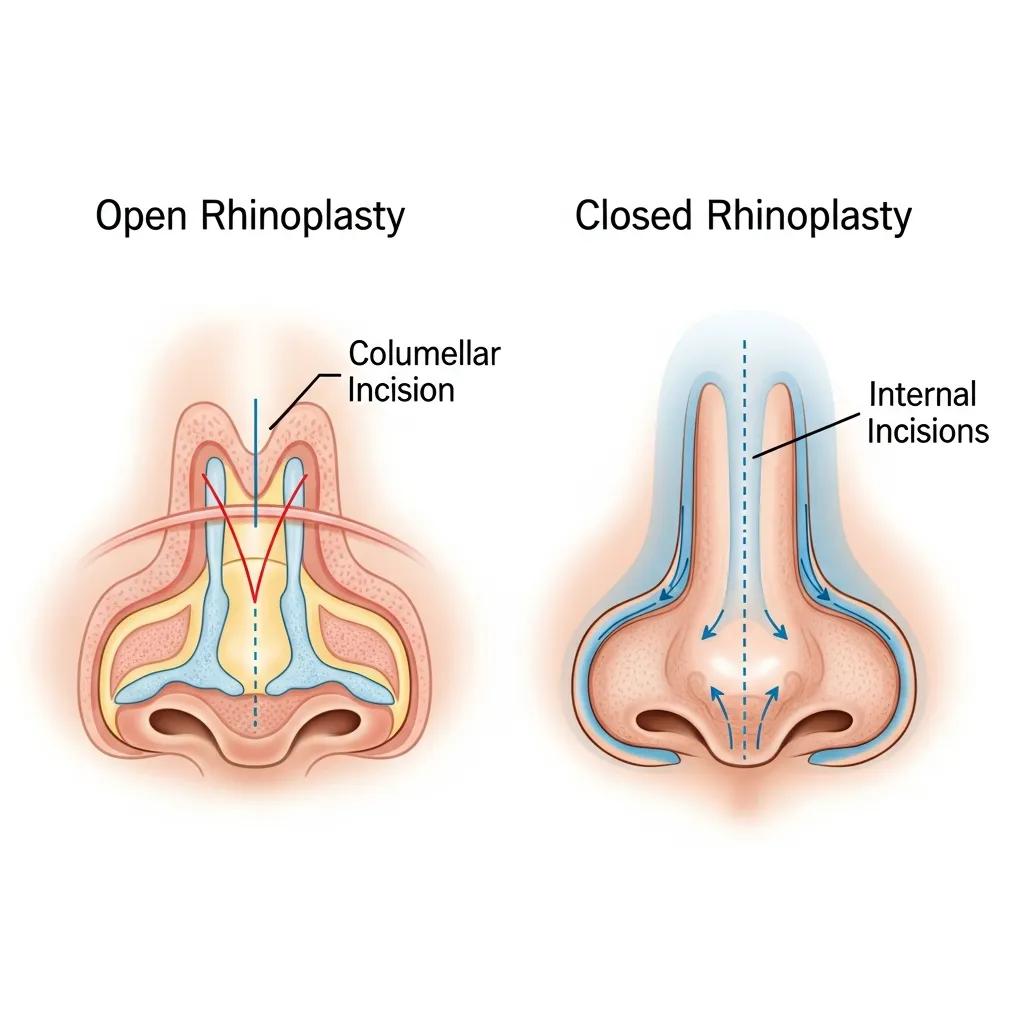
Open rhinoplasty provides the surgeon with a clear view of the nasal structures, making it easier to manipulate the cartilage and skin. Closed rhinoplasty, while less invasive, may limit visibility but results in no external scars. Tip plasty, a more focused approach, specifically targets the nasal tip without altering the bridge of the nose, making it ideal for patients seeking subtle enhancements.
How do cartilage grafts enhance nasal tip reshaping?
Cartilage grafts play a crucial role in nasal tip reshaping by providing additional support and structure. These grafts can be harvested from the patient’s own body, typically from the septum or ear, and are used to augment or refine the nasal tip. The use of cartilage grafts can lead to more natural-looking results and improved long-term stability of the nasal tip.
What Is the Typical Recovery Process After Nasal Tip Surgery?
The recovery process after nasal tip surgery is an essential aspect of the overall experience, as it directly impacts the final results.
How long does swelling and healing last after tip rhinoplasty?
Swelling and healing after tip rhinoplasty typically last between 1 to 3 weeks, with most patients experiencing significant improvement within the first week. However, complete healing may take several months, as the tissues continue to settle and adjust to their new shape. Factors such as individual healing rates and adherence to post-operative care can influence this timeline.
What are the recommended aftercare steps for optimal recovery?

To ensure optimal recovery, patients should follow specific aftercare instructions, including:
- Rest and Elevation: Keeping the head elevated can help reduce swelling.
- Cold Compresses: Applying cold compresses can alleviate discomfort and swelling.
- Avoiding Strenuous Activities: Patients should refrain from heavy lifting or vigorous exercise for at least a few weeks post-surgery.
- Follow-Up Appointments: Attending all scheduled follow-up appointments is crucial for monitoring healing and addressing any concerns.
Following these steps can significantly enhance the recovery experience and lead to better outcomes.
What Are the Risks and Potential Complications of Rhinoplasty Tip Surgery?
As with any surgical procedure, rhinoplasty tip surgery carries certain risks and potential complications that patients should be aware of.
What common risks should patients be aware of?
Common risks associated with nasal tip rhinoplasty include infection, bleeding, and adverse reactions to anesthesia. Additionally, some patients may experience dissatisfaction with the aesthetic results, which can lead to the need for revision surgery. Understanding these risks is vital for informed decision-making.
The increasing popularity of cosmetic nasal surgery highlights the importance of understanding potential postoperative nasal tip deformities and the techniques available for their prevention and correction.
Nasal Tip Complications & Corrective Techniques
As cosmetic nasal surgery becomes increasingly more popular worldwide, postoperative nasal tip deformities have also become far more prevalent. Owing to the cosmetic prominence of the nose and to the functional importance of the nasal airway, postsurgical nasal tip deformities often result in debilitating emotional and physiological consequences. However, contemporary principles of cosmetic and functional nasal surgery, when applied expertly, will typically prevent such complications and will simultaneously permit a natural, attractive, and well-functioning nose. This article explores the mechanisms leading to common iatrogenic deformities of the nasal tip and provides alternative techniques for the safe and effective modification of nasal tip contour.
Nasal tip complications, 2012
How are complications managed or prevented?
Complications can be managed through careful surgical planning and technique, as well as thorough pre-operative assessments. Surgeons often take precautions to minimize risks, such as using sterile techniques and closely monitoring patients during recovery. In cases where complications arise, prompt medical attention and intervention can help mitigate issues and ensure patient safety.
What Results Can Patients Expect: Before and After Tip Plasty Outcomes?
Patients can expect significant improvements in their appearance following nasal tip rhinoplasty, with results that enhance facial harmony.
How do nasal tip augmentation and reshaping affect appearance?
Nasal tip augmentation and reshaping can dramatically alter a person’s profile, leading to a more balanced and aesthetically pleasing appearance. Many patients report increased confidence and satisfaction with their looks after the procedure, as the refined nasal tip complements their facial features.
What do patient testimonials and image galleries reveal?
Patient testimonials and image galleries often showcase the transformative effects of nasal tip rhinoplasty. Many individuals express their delight with the results, highlighting the positive impact on their self-esteem and social interactions. These real-life examples serve as powerful motivators for those considering the procedure.
When Is Revision Tip Rhinoplasty Necessary and What Does It Involve?
Revision tip rhinoplasty may be necessary for patients who are dissatisfied with their initial results or who experience complications.
What are the common reasons for revision of nasal tip surgery?
Common reasons for revision of nasal tip surgery include asymmetry, dissatisfaction with the aesthetic outcome, or complications such as breathing difficulties. Patients may seek revision surgery to correct these issues and achieve their desired results.
How do surgical approaches differ in revision cases?
Surgical approaches in revision cases may differ significantly from the initial surgery, as the surgeon must carefully assess the existing structures and make adjustments accordingly. Techniques may include additional cartilage grafting or re-sculpting of the nasal tip to achieve a more favorable outcome. Each revision case is unique and requires a tailored approach to address the specific concerns of the patient.