

Understanding Ethnic Rhinoplasty Consultations: Personalized Care for Your Unique Nasal Anatomy and Aesthetic Goals
Ethnic rhinoplasty is a specialized area of facial plastic surgery that caters to the unique anatomical and aesthetic needs of individuals from diverse ethnic backgrounds. This comprehensive guide will help you gain insights into what ethnic rhinoplasty consultations involve, emphasizing the importance of personalized care tailored to your specific nasal structure and cultural significance. Many individuals seek guidance on how to approach their rhinoplasty journey, given the crucial role cultural identity plays in aesthetic preferences. By understanding the nuances of ethnic rhinoplasty, patients can navigate their options more effectively, achieving results that align with their personal and cultural goals. This article will cover the definition and significance of ethnic rhinoplasty, key differences from traditional techniques, and the procedures involved, as well as practical aspects like preparing for consultations and finding qualified surgeons.
What Is Ethnic Rhinoplasty and Why Is a Specialized Consultation Important?
Ethnic rhinoplasty is a surgical procedure designed to reshape the nose while preserving ethnic characteristics. It is crucial for patients to engage in specialized consultations to ensure that their unique anatomy and cultural identity are respected. These consultations allow patients to discuss their aesthetic desires with surgeons who understand the importance of cultural sensitivity in achieving satisfactory results. Many patients do not realize the significance of personalized consultations in addressing their unique needs, from anatomical considerations to desired aesthetic outcomes.
Plastic Surgery of Boston is a specialized provider of facial plastic surgery and nonsurgical aesthetic treatments with a focus on personalized care. Opting for a consultation with an experienced surgeon ensures that patients receive tailored advice and a surgical plan that considers their individual traits.
How Does Ethnic Rhinoplasty Differ from Traditional Rhinoplasty?
Ethnic rhinoplasty differs from traditional rhinoplasty primarily in its approach to preserving the ethnic features of the patient. While traditional rhinoplasty often aims for a generic ideal of beauty, ethnic rhinoplasty focuses on enhancing natural features without erasing cultural identity. Surgeons specializing in ethnic rhinoplasty consider important anatomical differences—such as variations in nasal bridge height, nostril shape, and overall facial harmony—that are present across different ethnic groups. Understanding these differences fosters more harmonious and fulfilling surgical outcomes.
Ethnicity-Conscious Rhinoplasty: Patient Satisfaction & Outcomes
This meta-analysis evaluates the impact of ethnicity-conscious rhinoplasty on patient satisfaction and complication rates. Traditional rhinoplasty techniques often overlook ethnic anatomical differences, leading to suboptimal aesthetic outcomes and higher revision rates. In contrast, individualised approaches aim to optimise both form and function by tailoring procedures to specific anatomical and cultural contexts.
Ethnic considerations in rhinoplasty: a meta-analysis of outcomes and complications in Caucasian versus Non-Caucasian patients, HA Danesh, 2026
Why Choose a Board-Certified Rhinoplasty Surgeon in Boston?
When embarking on an ethnic rhinoplasty journey, selecting a board-certified surgeon is critical. Board certification signifies that a surgeon has undergone extensive training and adheres to high standards of practice and ethics in the field of plastic surgery. This is particularly important for ethnic rhinoplasty, as it requires a nuanced understanding of diverse anatomical characteristics. Patients can feel confident that board-certified surgeons possess the skills and expertise necessary to navigate the complexities involved in preserving ethnic features while achieving aesthetic goals.
What Happens During an Ethnic Rhinoplasty Consultation? Step-by-Step Overview

During an ethnic rhinoplasty consultation, the process typically follows these steps:
- Initial Discussion: The surgeon discusses the patient’s aesthetic goals and concerns, establishing a rapport to understand their expectations fully.
- Nasal Examination: The surgeon performs a detailed examination of the patient’s nasal structure, taking into account anatomical features specific to their ethnicity.
- Surgical Options Review: Based on the assessment, the surgeon presents tailored surgical options that align with the patient’s goals while respecting their ethnic identity.
- Addressing Questions: Patients are encouraged to ask questions to ensure that they are fully informed about the procedure, recovery, and potential outcomes.
These well-structured consultations are invaluable for fostering trust and ensuring that patients feel comfortable and informed before undergoing surgery.
How Do Surgeons Assess Nasal Anatomy Across Different Ethnicities?
Surgeons assess nasal anatomy by considering various factors intrinsic to different ethnic backgrounds. This includes examining prominent features such as the nasal tip, bridge structure, and nostril shape, which vary significantly across different ethnicities. Understanding these characteristics allows surgeons to design surgical techniques that enhance individual beauty while maintaining ethnic identity. Cultural significance also plays a role in this assessment, as certain features may have different meanings across different groups.
What Personalized Goals and Expectations Are Discussed?
During the consultation, it is essential for surgeons and patients to align on personalized goals and expectations. Surgeons will guide patients through discussions about their ideal outcomes, taking into account how these goals relate to cultural significance and individual identity. This includes establishing a shared understanding of what constitutes a successful rhinoplasty outcome based on personal and ethnic values. By setting realistic expectations, patients can be more satisfied with their results post-surgery, as they will feel their unique identity has been preserved.
Which Types of Ethnic Rhinoplasty Procedures Are Available?
Ethnic rhinoplasty procedures cater to different ethnic groups, and several techniques can be employed based on individual characteristics. Below is a comparison of common types of ethnic rhinoplasty procedures:
Understanding the various options helps patients determine which procedure aligns best with their aesthetic goals while respecting their cultural heritage.
Ethnic Rhinoplasty: Surgical Outcomes & Patient Satisfaction
Rhinoplasty, especially among diverse ethnic groups, requires specialized techniques to address anatomical differences and patient preferences. This systematic review focuses on the surgical outcomes and patient satisfaction in rhinoplasty, highlighting methods tailored to specific populations, particularly Asian and Hispanic individuals, who often seek subtle alterations that preserve ethnic identity. Ethnic Variations and Surgical Outcomes in Rhinoplasty: A Systematic Review, 2025
How Are Nasal Reshaping Techniques Customized for Different Ethnicities?
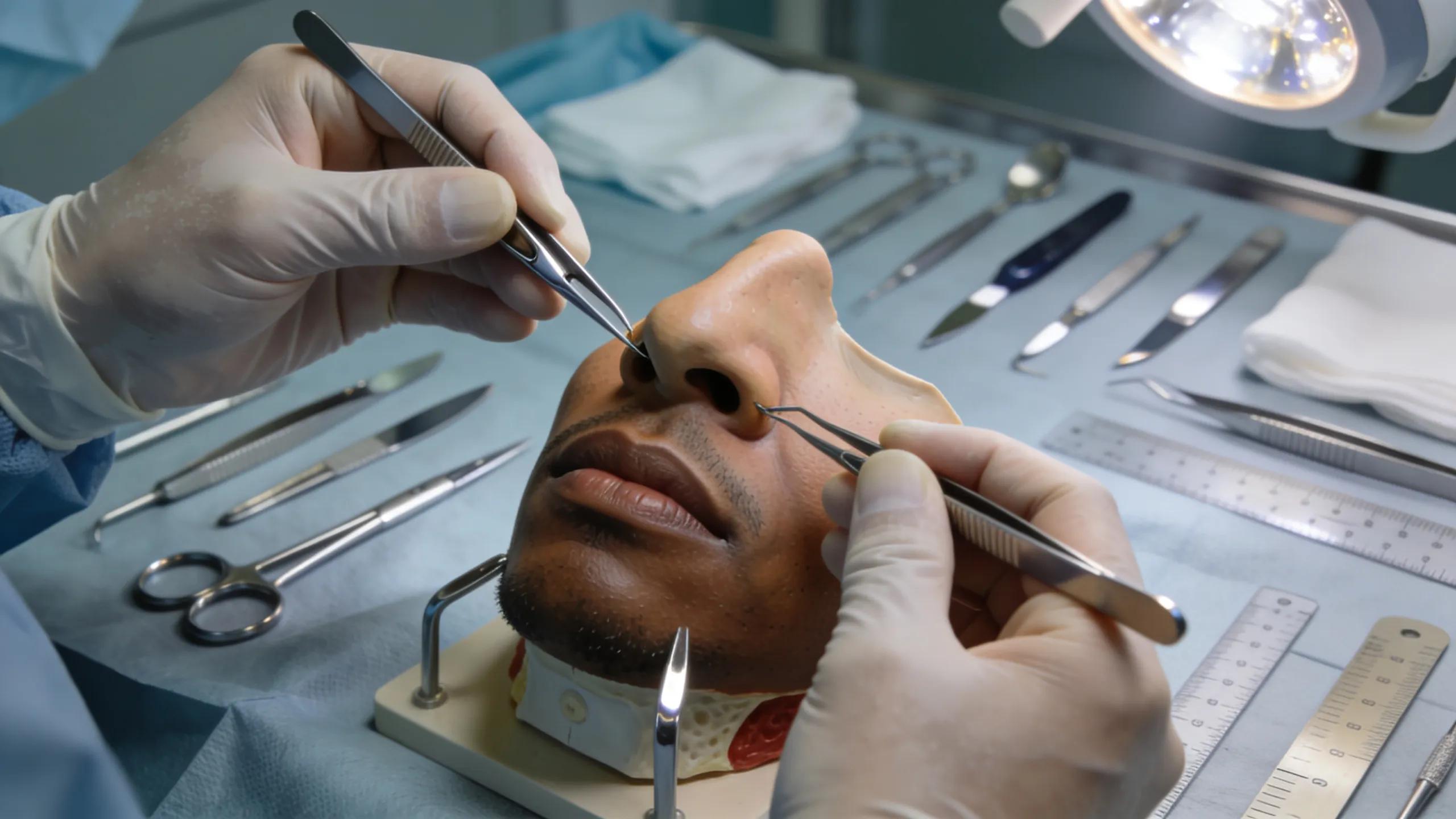
Nasal reshaping techniques are highly customized based on individual patient anatomy and ethnic considerations. Surgeons develop personalized surgical plans that account for the specific structural and functional aspects of a patient’s nose. The techniques used can vary from traditional incisions to newer, minimally invasive ones, depending on the desired outcome and anatomical needs. The aim is to enhance the existing features rather than overshadow them, ensuring that each patient leaves with a result that feels authentic to them.
What Are the Risks and Benefits Specific to Each Ethnic Rhinoplasty Type?
Each type of ethnic rhinoplasty comes with its own set of risks and benefits, largely dictated by the uniqueness of individual procedures and the anatomical characteristics being addressed. Analogous to any cosmetic surgery, the risks associated may include infection, dissatisfaction with cosmetic outcomes, and healing complications. However, the benefits can include enhanced facial harmony and increased self-confidence. A thorough discussion about these unique risks and benefits should occur during the consultation phase to prepare patients for what to expect.
How Should You Prepare for Your Ethnic Rhinoplasty Consultation?
Preparing for your ethnic rhinoplasty consultation involves gathering relevant medical history and formulating questions to ensure a productive discussion. Here are essential tips:
- Compile Medical History: Bring any past medical records, including previous surgeries or health issues.
- List Questions: Prepare specific questions regarding the procedure, recovery, and surgical logistics to facilitate a thorough understanding.
- Consider Goals: Reflect on your aesthetic desires and cultural considerations leading up to the meeting, ensuring clear communication of your vision.
These preparatory steps will optimize the consultation experience, ensuring that patients receive comprehensive, tailored advice.
What Questions Should You Ask Your Rhinoplasty Surgeon?
It’s vital to engage actively during the consultation by asking relevant questions. Some essential inquiries might include:
- What is your experience with ethnic rhinoplasty?
- Can you share before-and-after images of previous patients with similar ethnic backgrounds?
- What is the expected recovery time for this procedure?
These questions will help establish confidence in the surgeon’s capabilities and pave the way for informed decision-making.
What Documents and Medical History Are Needed?
Providing accurate medical history and relevant documents is crucial for ensuring a smooth consultation. Patients should prepare the following information:
- Personal Medical History: Highlights of any pre-existing conditions, allergies, or previous surgical procedures.
- Current Medications: A list of medications or supplements being taken to avoid potential complications.
- Insurance Information: Documentation that may relate to coverage options for surgical procedures.
Having this information ready will facilitate a more informed consultation process.
Who Are the Expert Rhinoplasty Surgeons Available in Boston?
Boston is home to numerous skilled rhinoplasty surgeons, offering varied experience and specialization, particularly in ethnic rhinoplasty. Patients seeking reassurance can look for surgeons with extensive training and board certification in facial plastic surgery. While the choice may appear overwhelming, focusing on credentials and patient feedback can greatly assist in making the right selection. For more information on specialized procedures and expert care, consider exploring the services offered in Boston.
What Credentials Define a Board-Certified Facial Plastic Surgeon?
Board-certified facial plastic surgeons must meet specific criteria, including meticulous training in surgical procedures and passing rigorous exams. The credentials confer a level of assurance regarding the surgeon’s expertise, which is especially pertinent in ethnic rhinoplasty. Qualifications often highlight a commitment to patient safety and a deep understanding of the complexities surrounding facial anatomy.
How Have Our Surgeons Helped Patients Achieve Their Aesthetic Goals?
At Plastic Surgery of Boston, surgeons are dedicated to helping patients achieve their aesthetic aspirations through customized surgical plans designed to fit their unique needs. Numerous patient testimonials reflect how tailored approaches have led to successful outcomes. Each patient’s journey is a testament to our surgeons’ skills and dedication to maintaining the essence of individual ethnic identities while enhancing their natural beauty.
What Can You Expect After Your Ethnic Rhinoplasty Consultation?
Following the consultation, patients can expect a comprehensive overview of the insights gained regarding their nasal anatomy and potential surgical options. The surgeon will outline the next steps, including any necessary preparation for surgery, the timeline for the procedure, and post-operative care. Patients are advised to reach out with any lingering questions or concerns, fostering transparent communication throughout their aesthetic journey.
How Is a Personalized Surgical Plan Developed?
A personalized surgical plan is collated through the collaborative dialogue between the patient and surgeon, reflecting both anatomical factors and cultural sensitivities. The plan will incorporate specific techniques tailored to the patient’s goals, focusing on both aesthetic aspirations and the preservation of ethnic identity. This thoughtful approach ensures that patients feel heard and understood as they move forward with their rhinoplasty journey.
When Should You Schedule Your Procedure and What Are the Next Steps?
Scheduling your ethnic rhinoplasty procedure is a pivotal moment in your aesthetic journey. Patients are encouraged to consider logistical aspects such as work commitments and recovery time when determining the right timing for surgery. Typically, it is wise to allow ample prep time and to follow up promptly on any post-consultation recommendations that may facilitate a smooth process leading into surgery.
By understanding the core aspects of ethnic rhinoplasty consultations and the importance of personalized care, patients can unlock a transformative experience that respects and celebrates their unique identities.